
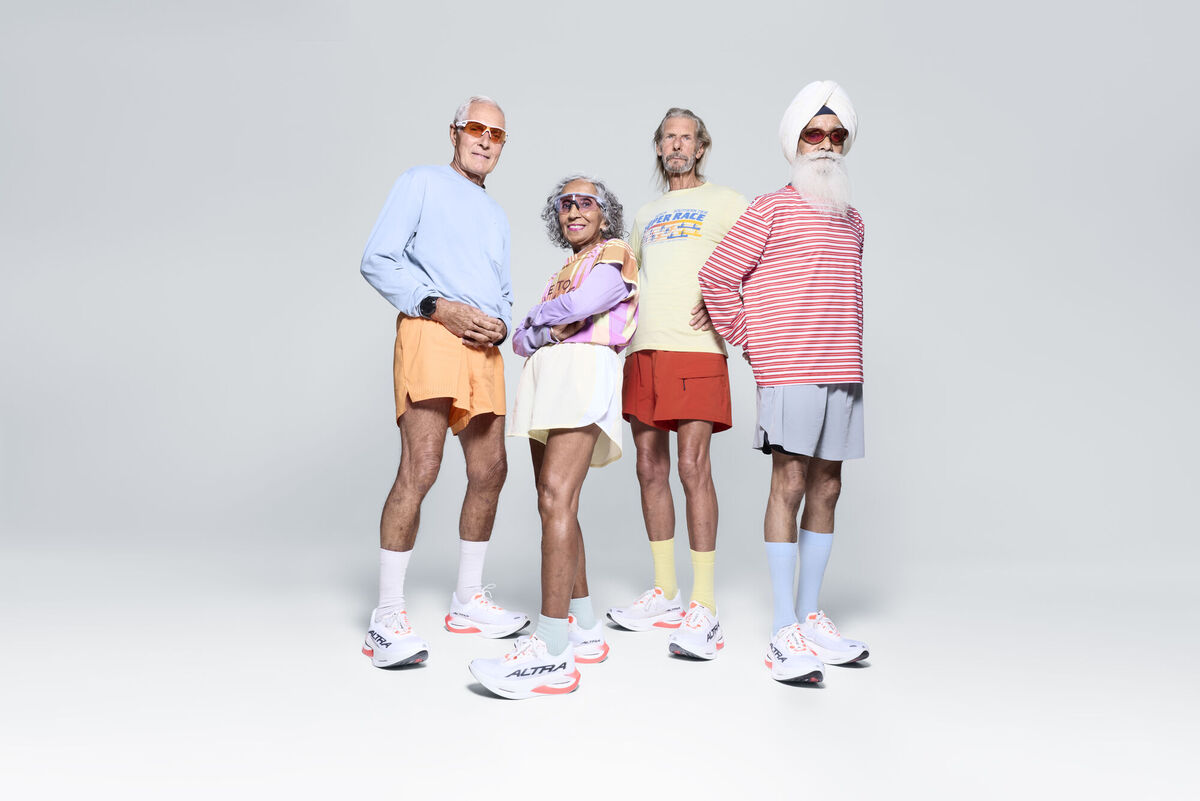
Today’s generation of runners will have the privilege of soaking in the wisdom from some of the oldest lifetime runners, a Legacy Team, if you will. Altra just unveiled its Legacy Team, which consists of four of Britain’s older, more experienced runners.
This campaign, in partnership with Brandnation, will put 4 runners aged 75 to 85 out there to pass on a lifetime of experience, 321 years, to be exact, and inspiration to younger runners in their twenties and thirties.
Altra’s ‘Legacy Team’ Campaign Overview
The campaign grew out of research commissioned by Altra, which found that the average British runner stops running at 39 and that one in three runners quit running because of injury.
More than half of those runners have experienced significant injuries that forced them out of action for three or more months, and one in six say that they never fully recovered.
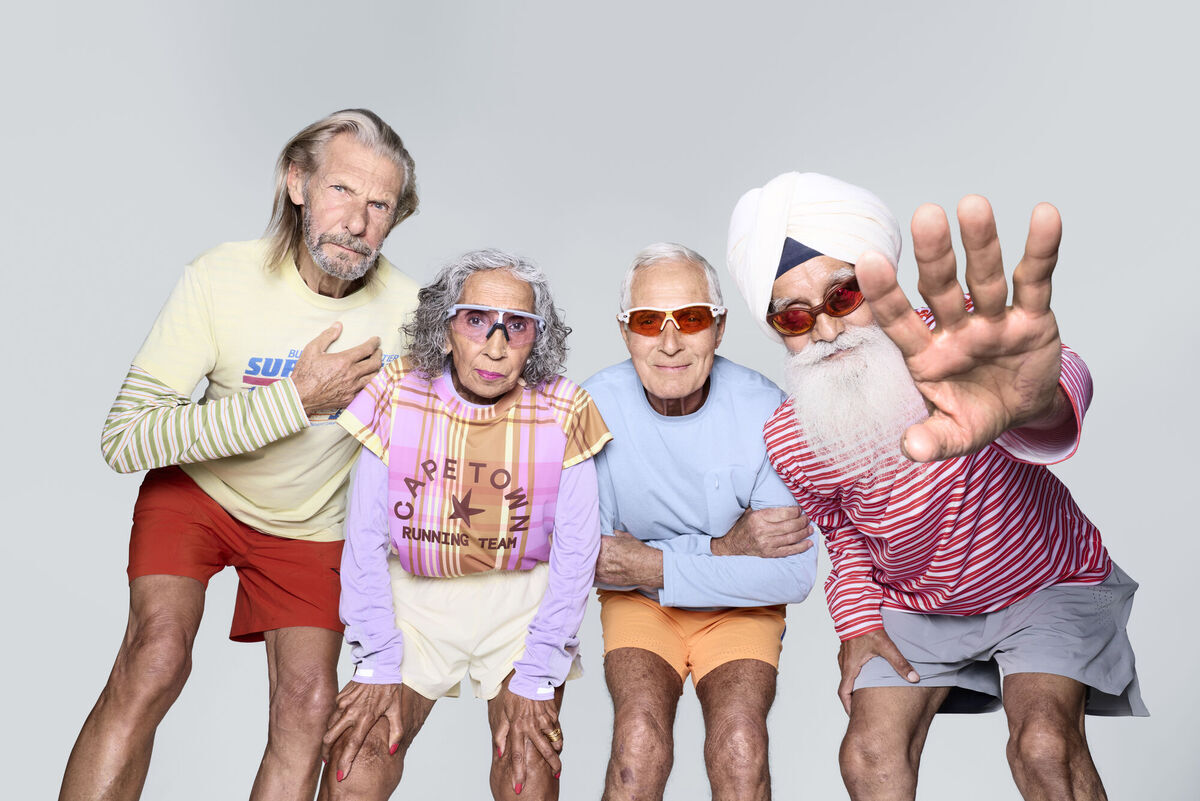
The Legacy Team is made up of:
- Peter Giles, 82, Britain’s fastest octogenarian in the 5K
- Rajinder Singh, 79, the oldest runner in the Sikh community who has been running since his childhood in India
- Pritpal Kaur, 75, living with blood cancer while being one of only 35 women over 75 to complete the London Marathon
- Laurence Cummings, 85, holder of 204 age-category Parkrun records across England and Scotland
Later this year, a free book titled “The Long Run” will be made available. It is filled with pearls of wisdom designed to help young runners have an idea of what’s to come and how to plan for the later years if they choose to keep running into their golden years.
What Are The Benefits Of Running Later In Life?
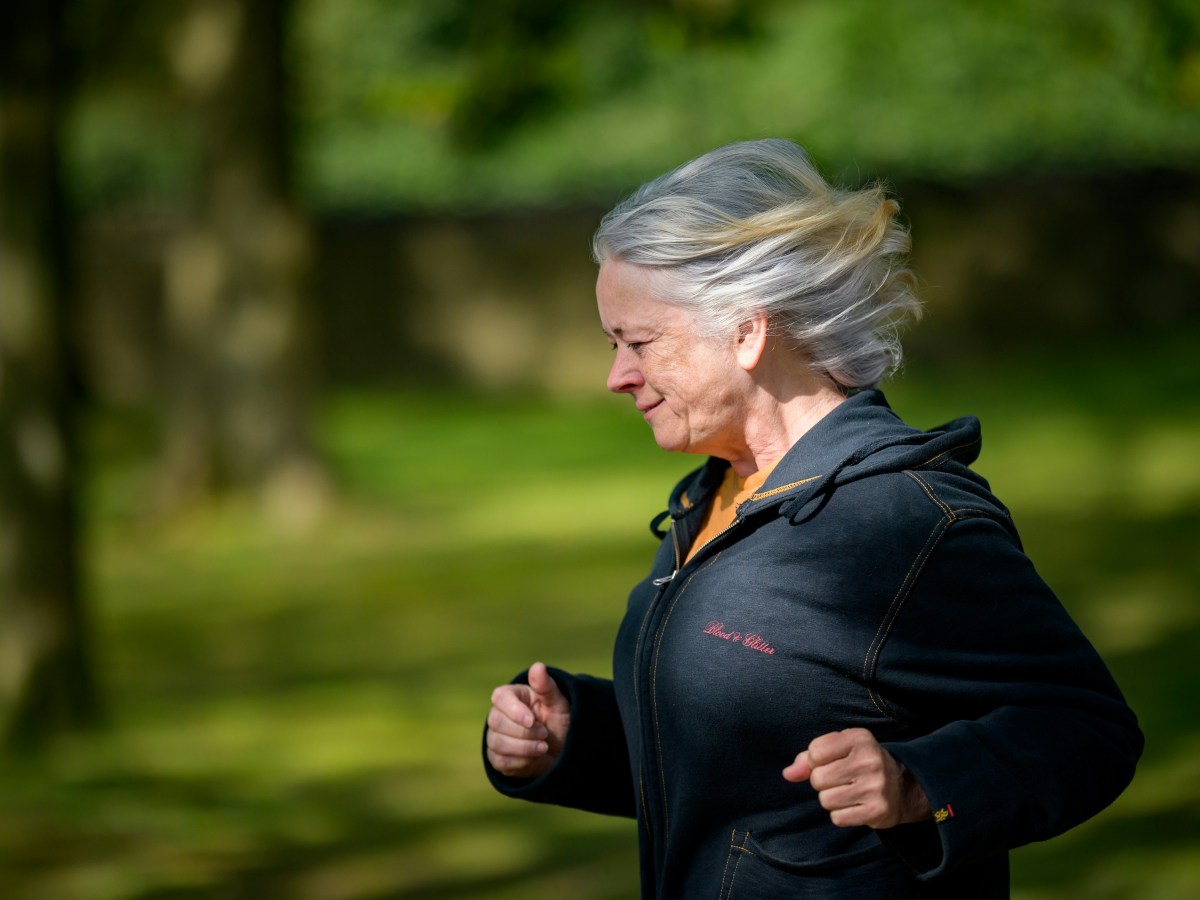
If you’re a regular reader of this site, you might be well aware there are many healthy benefits of continuing to run well into your later years. Running can absolutely be a very beneficial form of exercise for people over 50, with benefits to both mental and physical health.
While not limited just to senior citizens, the stress-relieving powers of running can be noticeable, provided you don’t take yourself too seriously (talking to myself, here).
Running can also relieve anxiety and improve mood and sleep. Improvements in sleep can be less noticeable if you do choose to run closer to your bedtime, however.
Running can also be a great way to maintain or improve bone and muscle health. Weight-bearing activities help the body maintain bone density. Bone density often decreases as we age. And given that running is largely a series of single-leg forward hops, that repetitive motion leads to stronger leg and core muscles, which in turn leads to better balance and mobility as we age.
For women entering perimenopause or menopause, they face additional challenges, such as:
- Loss of bone density
- Hormonal changes that affect their energy levels
- Adrop in VO2 Max
- A decrease in the body’s ability to repair muscle
- Raised core temperatures, popularly known as hot flashes
These can slow recovery and, with hot flashes, make it harder to stay cool at rest and during activity.
If you’re interested in more information on running with perimenopause or menopause, we have a detailed guide here.
These drops in hormonal levels will also affect men, who also experience a lot of the same increased recovery times as testosterone levels start dropping. A smart plan will help with managing the decline we all inevitably face.
Another vastly important result of running in your old age is improved cardiovascular health. Regular running strengthens the heart and lungs. It can contribute to improving and maintaining healthy blood pressure and cholesterol levels in the body. The additional calorie burn will help stave off type 2 adult-onset diabetes.
How To Get Started Running

It should be noted that if you’re starting from zero, you don’t jump right in headfirst, but rather ease into the sport. While it might seem less than ideal, employing the run-walk method is a great way to start. I’ve even used run-walk when returning from injury or after other layoffs from running. It is also a great way to help prevent injuries when starting out.
Coach Jeff Galloway popularized the run-walk method in the mainstream, but RTTF’s own Coach Amanda put together a comprehensive piece on starting with the run-walk method for those interested.
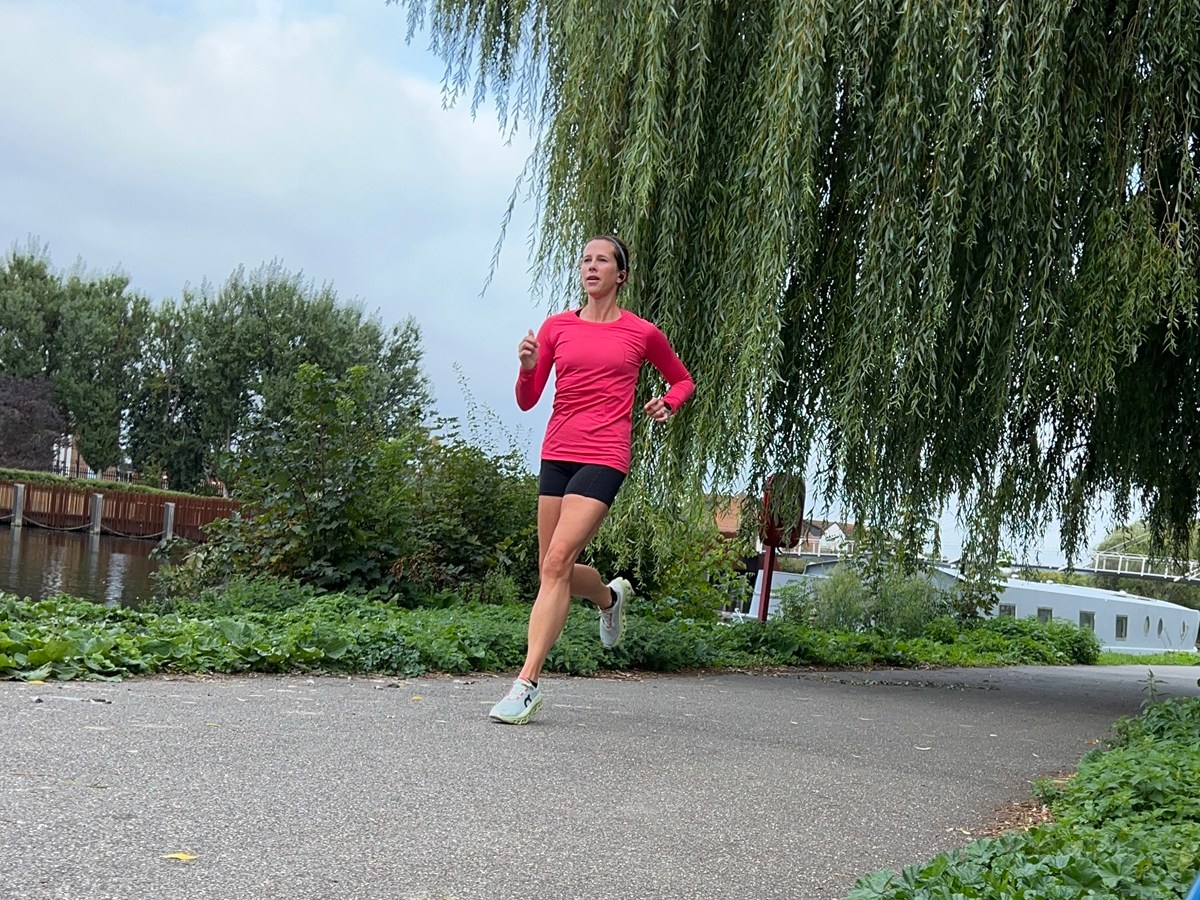
Consistent strength training is another aspect of beginning running that should not be overlooked. It’s something that likely would have made my first two years as a runner a lot less chaotic. A simple plan can help reduce injuries, correct muscular imbalances, improve speed and running economy, and maintain lean muscle mass.
Running is a truly beneficial sport to adopt as we get older. As someone who often participated in contact sports or other recreational sports involving quick lateral movements, sprinting, jumping, or other explosive movements, I have found that our ability to recover from those sports decreases rapidly.

I know the last time I played football on Thanksgiving, I was 28 and came away sore for 2 weeks. Running is vastly less taxing, and I’ve found it to be much more rewarding and lacking the potential brain damage aspect.
If you’re really looking into getting into running, here are 9 Must-Do Training Tips to help you get started.
And last, but not least, the biggest bonus to running in your Golden years is that qualifying for the Boston Marathon can be a more realistic achievement.



 Mammut Aenergy Trail Endurance Ultra Low Review | Comfort That Goes The Distance
Leave a Reply