

Finding a good running shoe can be a hassle for the uninitiated. If you’re not reaching for the $65 pair on sale at the local sporting goods store, you’re wrestling with the idea of picking up the $250 space-age-looking super shoe.
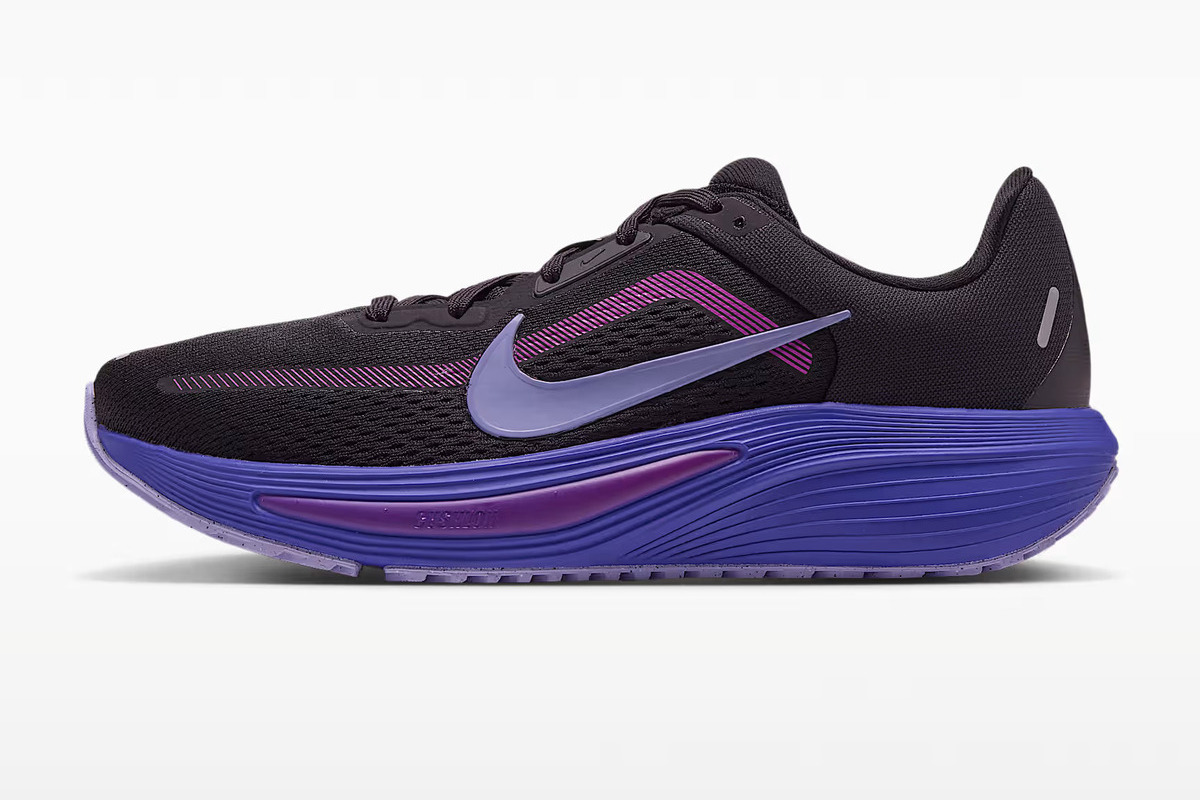
If you’re able to find the right running shoe, it can make all the difference in how well you perform and recover, not to mention your overall enjoyment.
But what if you’re not looking for a shoe to eat up tons of miles? Maybe you’re in the market for a shoe to get you to and from your local gym or to bang out a couple quick miles on the treadmill after a workout, and you don’t want to spend an arm and a leg.
This is where the budget running shoes come in, and the Nike Quest 7 is under the microscope today. We’re going to look at what it’s made of and whether or not it is indeed a good shoe for running.
Nike Quest 7 Overview
The midsole of the Nike Quest 7 is Nike’s EVA-based Cushlon 3.0. Cushlon is blended with rubber for an enhanced experience, although that enhancement is slightly limited compared to other EVA foams with additives.
While the use of EVA is starting to taper, there is still a place for it in modern running shoes.
The comfort and durability of Cushlon 3.0 make for a dependable ride, even if it might lack excitement, energy return, and the shock-absorbing qualities of more modern foams.
Nike did not publish the stack height of the Quest 7, but RunRepeat measured the heel stack at 28.6 millimeters with an actual drop of 8.7 millimeters.
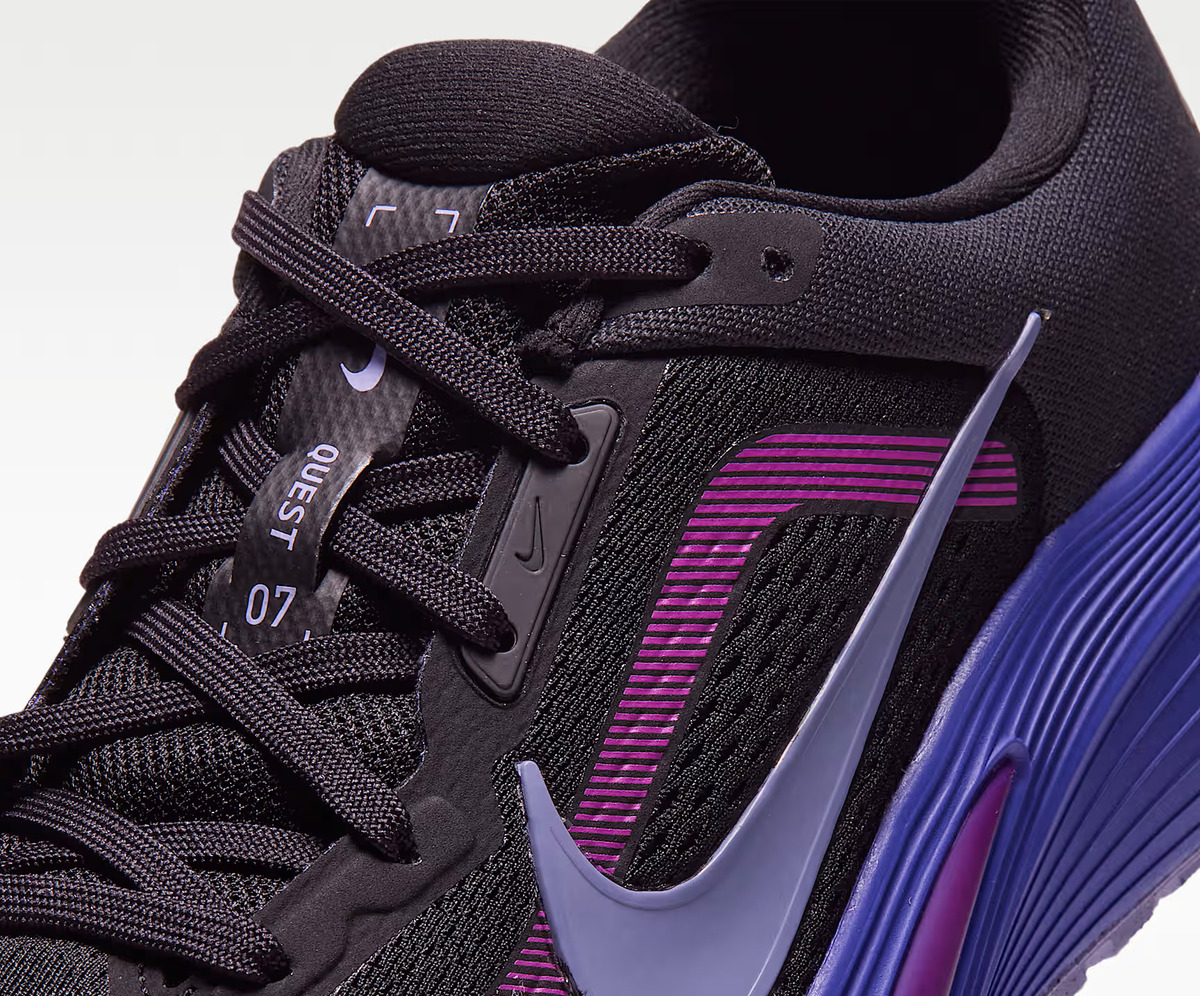
The engineered mesh upper and padded gusseted tongue work well in tandem to help keep the foot locked down to the slightly wide platform. Nike also widened the forefoot for more toe space up front. The result is a stable ride.
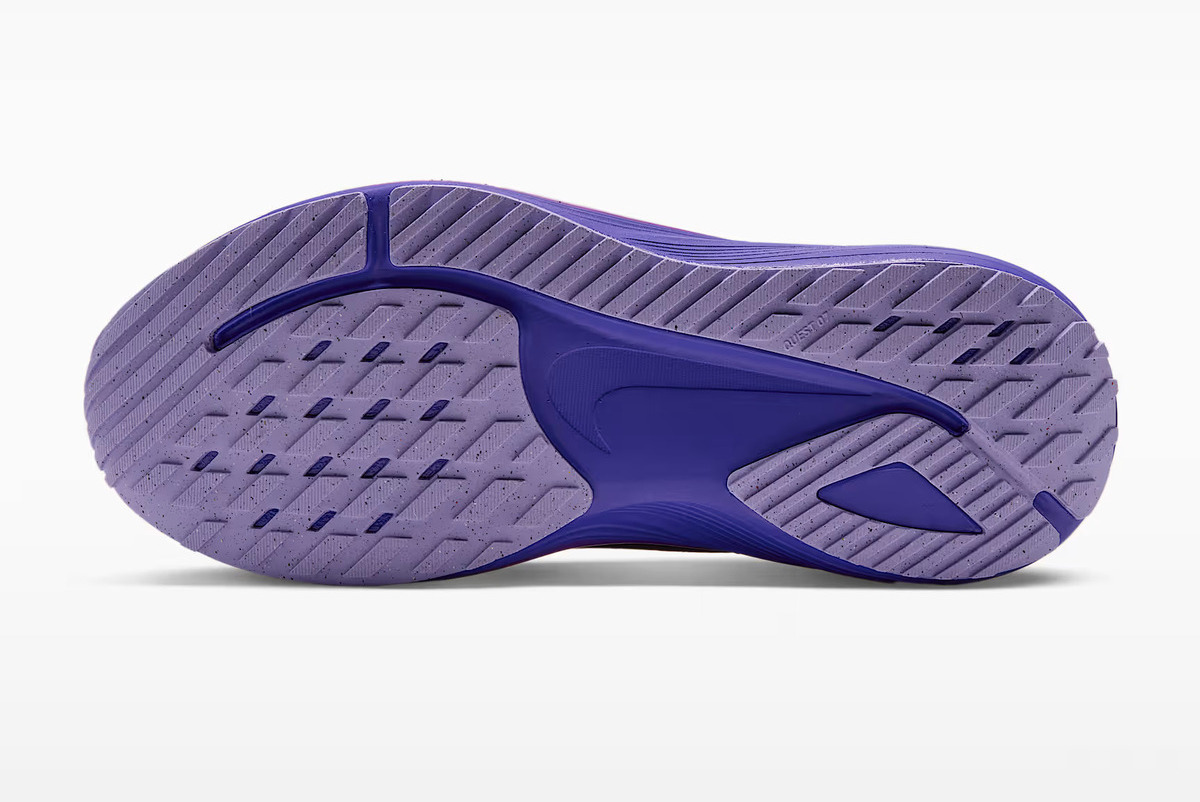
The thick rubber outsole covers most of the midsole, with a generous amount of coverage at the heel, a feature that is not as common as it once was.
The outsole is designed for durability and sure-footed traction.
Nike Quest 7 Specifications
- Brand: Nike
- Usage: Daily Trainer
- Previous Model: Nike Quest 6
- Weight: 7.9 oz Women’s, 8.8 oz Men’s
- Heel Drop: 10 mm
- Support: Neutral
- Not available in wide sizes
- Available in 9 colors
- Available on nike.com for $85
On the surface, the Nike Quest 7 looks like a shoe that has some of the qualities runners look for in a daily trainer. It is a lightweight shoe with a moderate stack and a sturdy outsole designed for reliable traction and durability for many miles.
But it is that moderate stack, which Nike has not specified, combined with the 10-millimeter drop that makes the forefoot less cushioned and thus less able to handle the pounding of long miles.
With its low forefoot stack and heel rocker, it is geared more towards heel strikers and limited to shorter runs.
These qualities make the Nike Quest 7 an appealing option for beginners, casual runners, or anyone looking for a highly affordable shoe for their regular daily runs. Based on the specs, the Nike Quest 7 will fall into the category of shoes that feel good for a quick jaunt around your neighborhood, versus one that will handle longer distances.
For longer distances and more performance, Nike has other options, namely the Pegasus 42 and Vomero 18.
Nike Quest 7 vs. Nike Pegasus 42
The Nike Pegasus is Nike’s oldest running shoe, now on its 42nd version. The longevity of the Pegasus is a testament to its reliability, performance and evolution over the years. We found the Pegasus 42 to have “peak responsive cushioning”.
The ReactX midsole and full-length AirZoom pod are not super bouncy or super soft, but they are stable and comfortable enough for long miles if you don’t prefer a softer ride over longer distances.
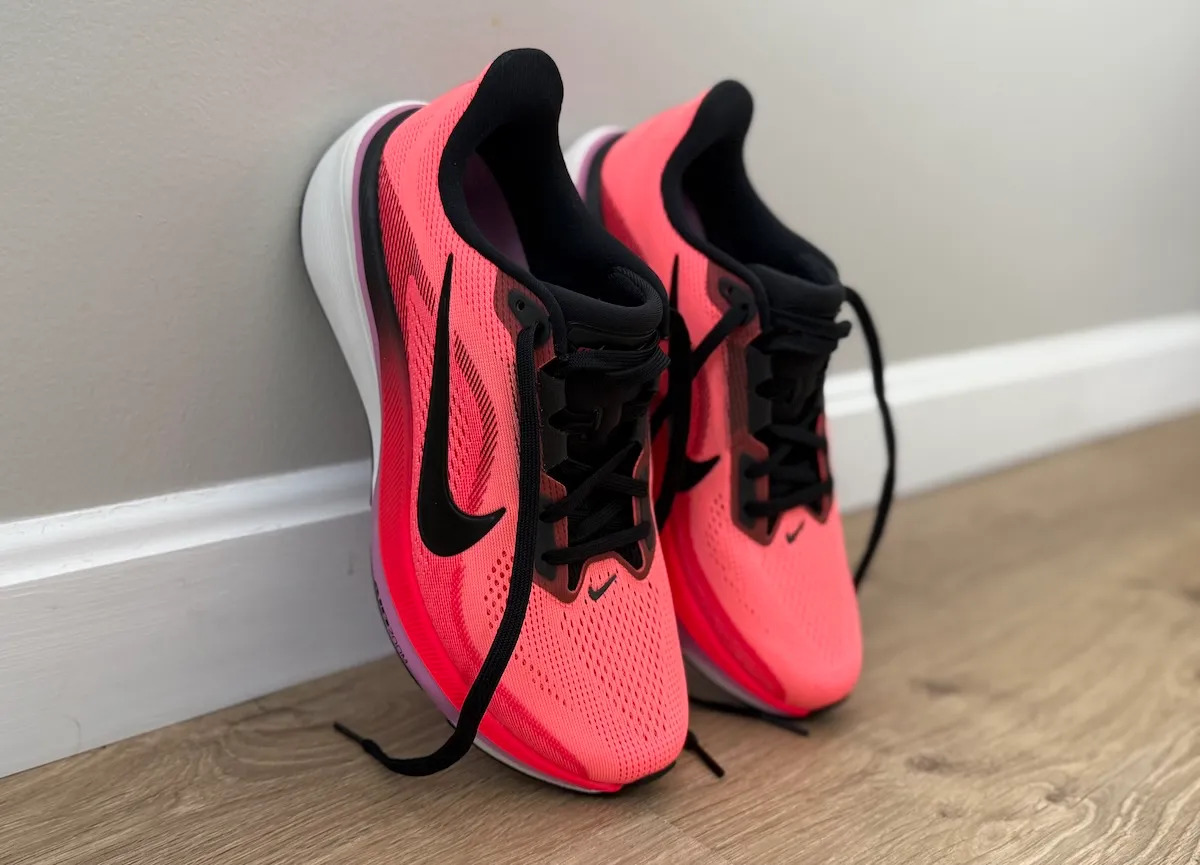
Both the Pegasus 42 and Quest 7 have shunned the prominent forefoot rocker in favor of a flatter profile. Both have generous rubber outsoles for grippy traction and durability, but the extra midsole stack of the Pegasus 42 wins out over the slight build of the Quest 7.
The price jump from $85 to $145 is a significant one, no doubt. The trade-off for those extra dollars is more modern tech and more of it to go the distance.
Nike Pegasus 42 Specifications
- Brand: Nike
- Usage: Daily Trainer
- Previous Model: Pegasus 41
- Weight: 8.6 oz Women’s, 10.6 oz Men’s
- Stack Height: 37 mm
- Heel Drop: 10 mm
- Support: Neutral
- Available in wide sizes
- Available in 24 colors
- Available on nike.com for $145
- Read our full review of the Nike Pegasus 42 >>
Nike Quest 7 vs. Nike Vomero 18
The difference between the two is in the ingredients. The Vomero 18’s midsole is a two-foam setup, with PEBA-based ZoomX directly under the foot and ReactX closer to the ground.
This combo is commonplace in super trainers like the Hoka Mach X3 or the Adidas Boston 13, where a plate or rods are sandwiched between the two foam layers. In most cases, the top layer of superfoam is less durable and less stable, and the firmer and more durable bottom layer offers protection in addition to the stabilizing effect.
The midsole of the Quest 7 is more basic and designed for the basics. The midsole of the Vomero 18 will give runners a softer underfoot experience while remaining responsive over long distances.
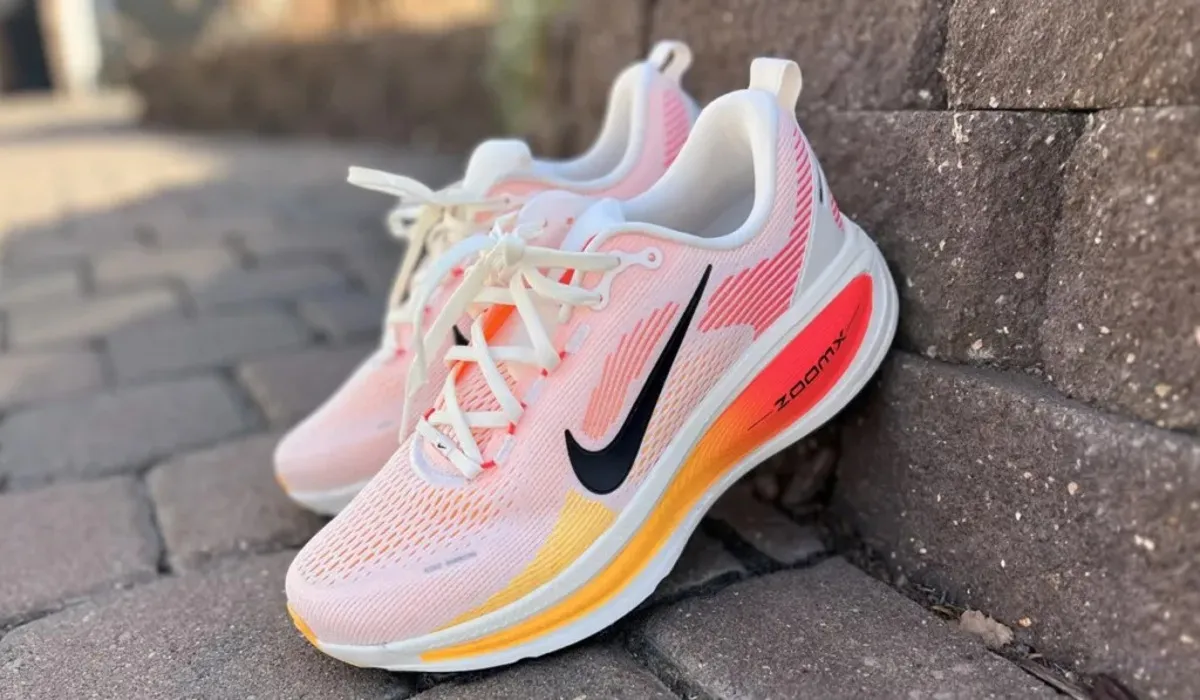
For runners not looking for a shoe to handle your everyday running needs, the additional $70 you’ll have to shell out for the Vomero 18 should be money well spent. While it’s not a shoe that will pick up the pace for short, fast intervals, we found it could handle light tempos and long runs handily.
Nike Vomero 18 Specifications
- Brand: Nike
- Usage: Cushioned Daily Trainer
- Previous Model: Vomero 17
- Weight: 9.3 oz Women’s, 11.5 oz Men’s
- Stack Height: 46 mm
- Heel Drop: 10 mm
- Support: Neutral
- Not available in wide sizes
- Available in 20 colors
- Available on nike.com for $155
- Read our full Nike Vomero 18 review >>
The Verdict
At first glance, the Nike Quest 7 appears to have many of the qualities runners look for in an everyday training shoe. It features a lightweight design, moderately cushioned midsole, and a road-focused outsole intended to provide a comfortable and stable ride.
These characteristics make it an appealing option for beginners, casual runners, and anyone looking for an affordable shoe for their regular running routine.
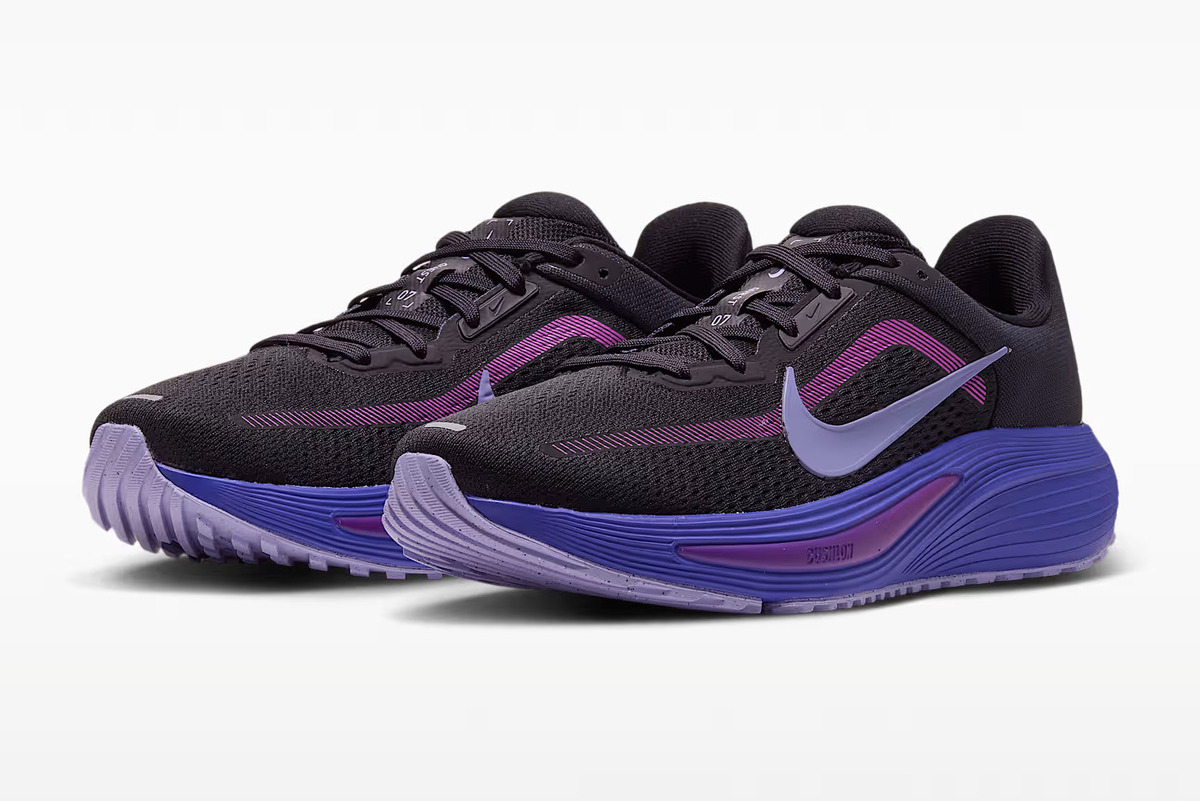
However, there’s an important distinction between a shoe that feels comfortable for a quick jog around the neighborhood and one that can maintain that comfort over longer distances.
It is at those longer distances where the wheels will start to wobble, so to speak. Based on our detailed reviews of the Pegasus 42 and Vomero 18, Nike has better options for runners willing to spend a few more dollars.
The Nike Quest 7 can have a place in a runner’s arsenal, but we rate it as a shoe that should be relegated to newer runners or runners looking for a shoe for running to and from the gym. And with its firm and stable platform, it can even handle weightlifting sessions in between.
What to read next?
- Hoka Bondi 9 vs. Hoka Gaviota 6 | Which Max Cushion Trainer Is The One For You
- Rabbit Pace Chaser Review | Rabbit’s First Dedicated Speed-Focused Road Shoe
- ALLSWIFIT ActiveRise+ Review | A Cost Friendly Trainer Ready To Crack Your Rotation



 Hoka Bondi 9 vs. Hoka Gaviota 6 | Which Max Cushion Trainer Is The One For You
Leave a Reply