• Skip to main content
  • Skip to header right navigation
  • Skip to site footer
  • Home
  • About
  • Our Team
  • Contact
  • Facebook
  • Instagram
  • Pinterest
  • Twitter
  • YouTube
RunToTheFinish

RunToTheFinish

Online Running Coach | Running Shoe and Gear Reviews

  • Training
    • 5K Training
    • 10K Training
    • Half Marathon Training
    • Marathon Training
    • Low Heart Rate Training
    • Running Injuries
    • Sub Two Half Marathon Training
    • Nutrition for Runners
  • Shoe Reviews
    • Running Shoe Finder
    • Cushioned Running Shoes
    • Lightweight Running Shoes
    • Carbon Plated Running Shoes
    • Trail Running Shoes
    • Walking Shoes
  • Gear Reviews
    • Treadmill Reviews
    • Running Shoe Deals and Discounts
    • GPS Watches
    • Summer Running Gear
    • Winter Running Gear
    • Hydration Packs
  • Work Together
    • 1-1 Coaching
    • Online Running Group
    • All Courses
    • LHR Training Plans
    • RTTF Book
    • 30 Day Core
    • IT Band Solution
  • Podcast
  • Training
    • 5K Training
    • New Runner Tips
    • 10K Training
    • Half Marathon Training
    • Marathon Training
    • Low Heart Rate Training
  • Reviews
    • All Running Shoe Reviews
    • Running Shoe Finder
    • Cushioned Running Shoes
    • Lightweight Running Shoes
    • Carbon Plated Running Shoes
    • Trail Running Shoes
    • Walking Shoe Reviews
    • Running Gear Reviews
    • Treadmill Reviews
    • GPS Watch Reviews
    • Winter Running Gear
    • Summer Running Gear
    • Hydration Packs
  • Running Shoe Deals/Discounts
  • Work Together
    • Online Running Coach
    • Online Running Group
    • All Courses
    • Book
    • 30 Day Core
    • Ultimate IT Band Relief Guide
    • Low Heart Rate Training Plans
  • Running Injuries
  • All Articles
  • Facebook
  • Instagram
  • Pinterest
  • Twitter
  • YouTube
Home / Running Shoe Reviews / Trail Running Shoes

Trail Shoe Lugs Explained: Everything Runners Need to Know

Last Updated on December 23, 2025 by Stacey Gross
We independently review everything we recommend. When you buy through our links, we may earn a commission.
No Comments

If you’ve looked through our shoe reviews, you’ve probably noticed we almost always include a photo of the outsole. That’s not just to show off the color or design, it’s so you can see the tread pattern and, for trail shoes, the lugs. Not sure what lugs are? Here’s everything you need to know about trail shoe lugs.

trail shoe lugs

Have you ever thrown on a pair of trail running shoes, headed out the door, and immediately thought, why does this feel so crunchy?

Chances are, you grabbed a shoe with deeper trail lugs than you actually needed.

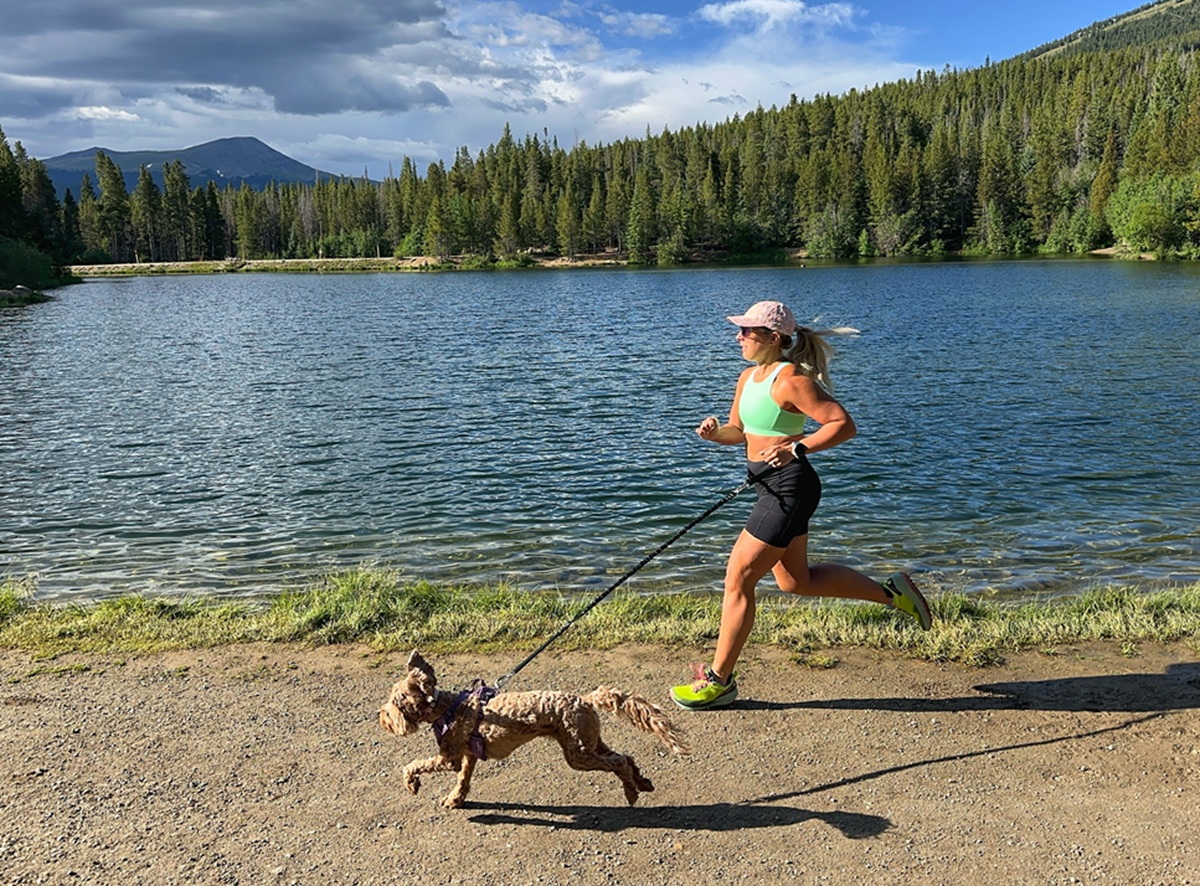
Trail shoe lugs are designed with specific purposes in mind; there’s no one-size-fits-every-run.ย  The type of terrain you’re running on plays a huge role in how a shoe will feel underfoot.

Before you lace up and head out, here are a few things you should know about trail shoe lugs.

Trail Shoe Lugs Overview

It’s one thing to talk about how a shoe feels on your foot, and another to talk about whether it’s actually going to support you while you run. Trail shoe lug design isn’t just decoration; it’s functional, and it matters.

So how do you decide which grip you need before you head out the door? Start by asking yourself a few simple questions:

  • What type of terrain am I running on today?
  • Are the trails going to be wet, muddy, or slick?
  • Am I running on a mix of road and trail?

The answers will help you choose the right trail shoe, so your feet will thank you instead of leaving you uncomfortable….or flat on your butt.ย trail running lugs

Most trail running shoes useย aย Vibram outsole. What this basically means is that the materials are designed to deliver durability, grip, and reliable performance regardless of the terrain. But there are varieties even to the grip because you want something different when dealing with slick wet rocks than big scrambles. Usually you won’t need to consider this, it’s baked in to the style of shoe you’re choosing.

We’ve all had that moment of putting on trail shoes and immediately noticing they feel heavier than road shoes.

That extra weight is intentional; trail shoes need more protection and traction to handle dirt, rocks, roots, and uneven surfaces.

Vibram continues to refine its outsole tech, but there are two versions you’ve probably seen a lot:

Vibram Megagrip is the most durable option and works well across just about any terrain. It’s the go-to choice for rugged trails where grip matters the most.

Vibram Litebase, on the other hand, is what you’ll often see in race-day trail shoes. It delivers the traction you need from the lugs, while weighing less, making it easier to pick up the pace when speed matters most.

Both serve a purpose; it just depends on where and how you plan to run.

Lug Depth

Lug depth can vary quite a bit across trail running shoes, but most will fall into one of two categories: short lugs (2-4mm) or deep lugs (5mm and up).

Short lugs 2 to 4mm

Road-to-trail shoes typically are where you’re going to find shorter lugs, and for good reason. They’re low-profile enough that you hardly notice them on pavement, but still give you the grip you need once you hit gravel or dirt.

These lugs work best on hard-packed trails and mixed terrain, offering reliable traction without that stiff, crunchy “trail shoe” feel underfoot.

Some examples of trail shoes with short lugs are: Brooks Ghost Trail at 3mm or Altra Experience Wild at 3.5mmaltra trail shoe lugs

Deep Lugs 5mm+

With deeper lugs, you’re more likely to notice that crunchy feeling if you wear them on roads or sidewalks. These lugs are best suited for technical trails, especially when you’re dealing with mud, snow, or softer terrain.

They’re built for wet, messy, and uneven conditions where you really want that extra grip.

Some examples of trail shoes with deep lugs are:ย Salomon Speedcross at 5.8mm or Saucony Peregrine ST at 6.5mmย merrel trail shoe lugs

Lug Design

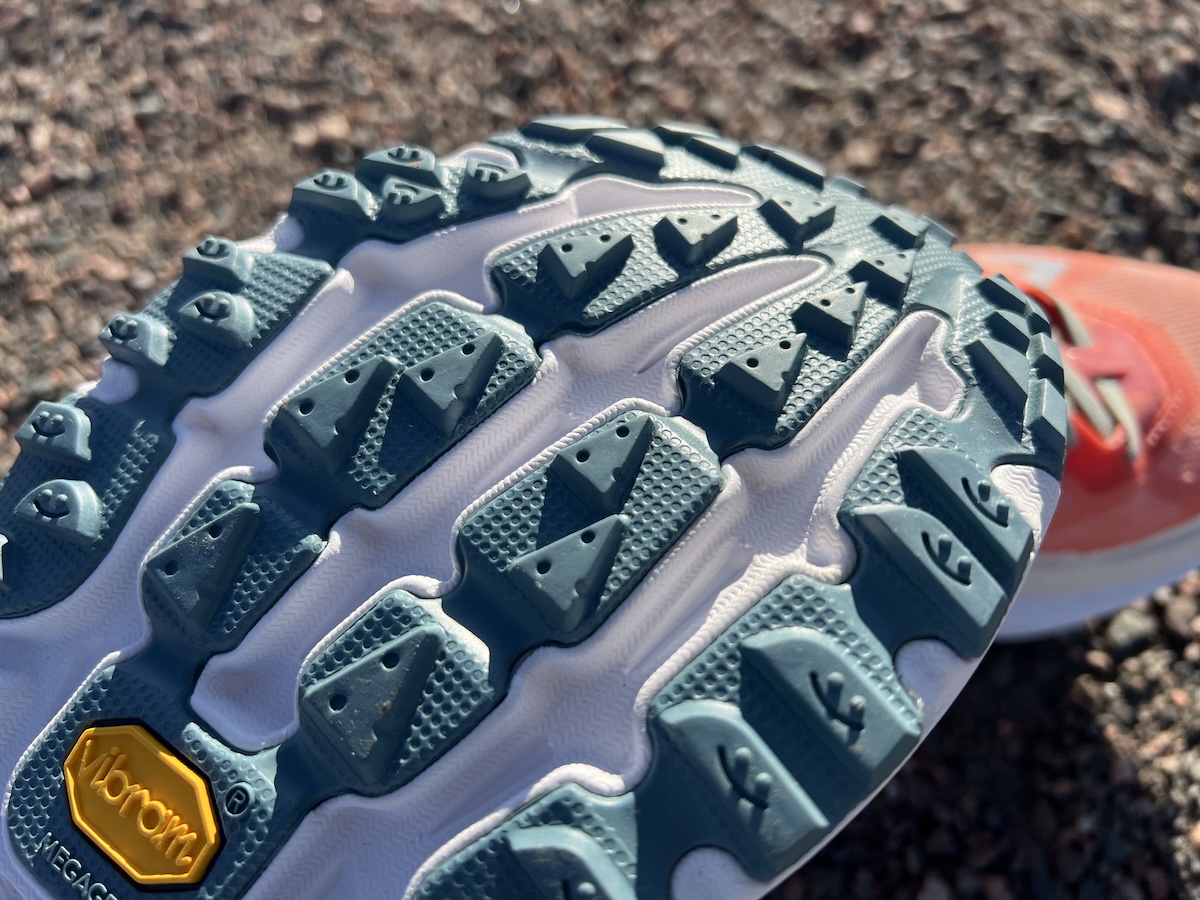
Sure, it’s always fun when brands add little details to the bottom of a shoe, like pizza-slice lugs on the Hoka Mafate, smiley faces, you name it.ย  But there’s actually a lot more going on than just something that looks cool.ย Hoka Mafate X vibram Sole

Lug shape and placement play a big role in grip and stability. When you’re running on trails, you want a shoe that works with you, not against you.

The goal is confidence underfoot, not twisted ankles or an unexpected face-plant into the mud.

Shape and Spacing

  • Angled Lugs: think of these like teeth, they’re going to grip into softer, muddy surfaces
  • Flatter or rounded lugs:ย  extra grip, especially with slippery surfaces and water crossings
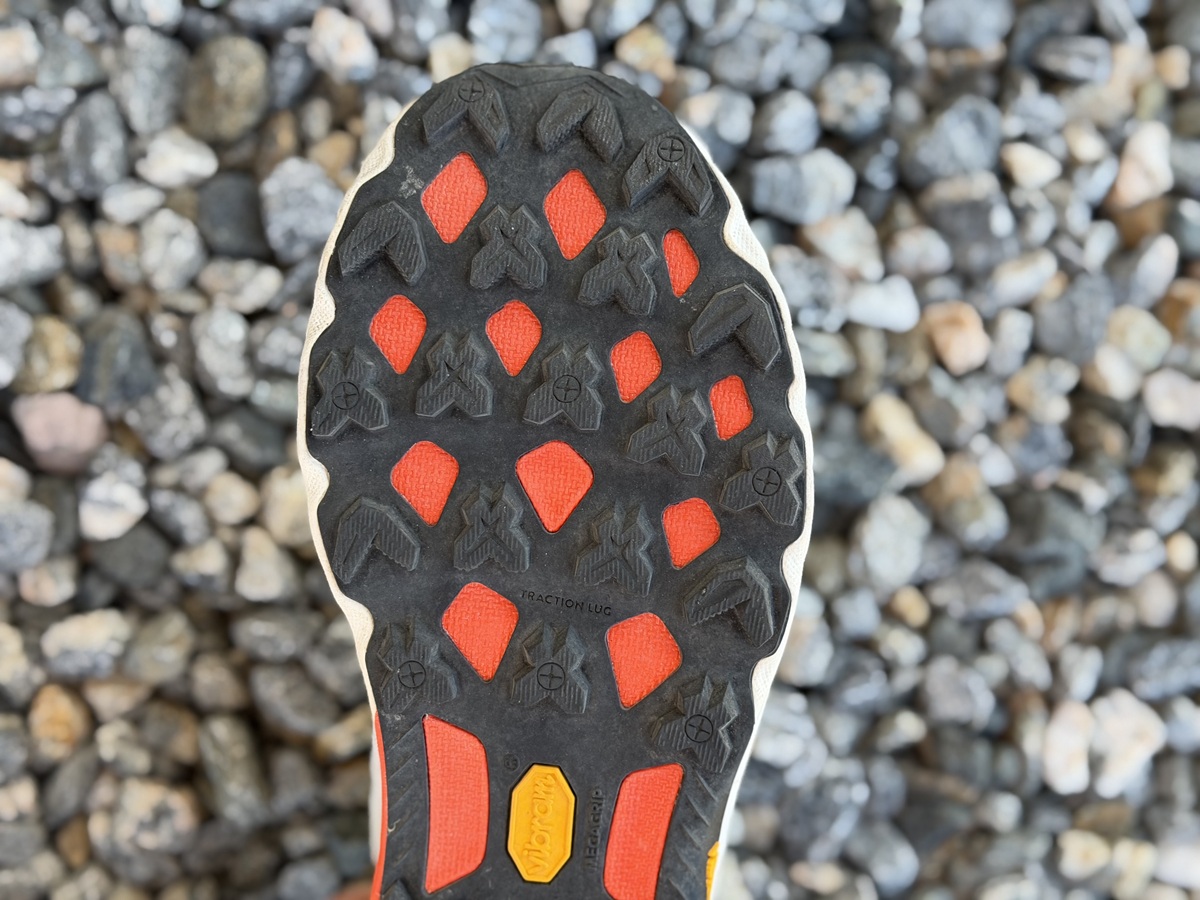
  • Y-Shaped Lugs: help to prevent mud and other debris from getting stuck under your shoes

Direction

  • Uphill Lugs:ย  located at the forefoot, the lugs are forward-facing to help you gain traction when climbing
  • Downhill Lugs: located at the heel, the lugs are typically backward-facing to act like a brake as you go downhill or find yourself on a steep part of a trail
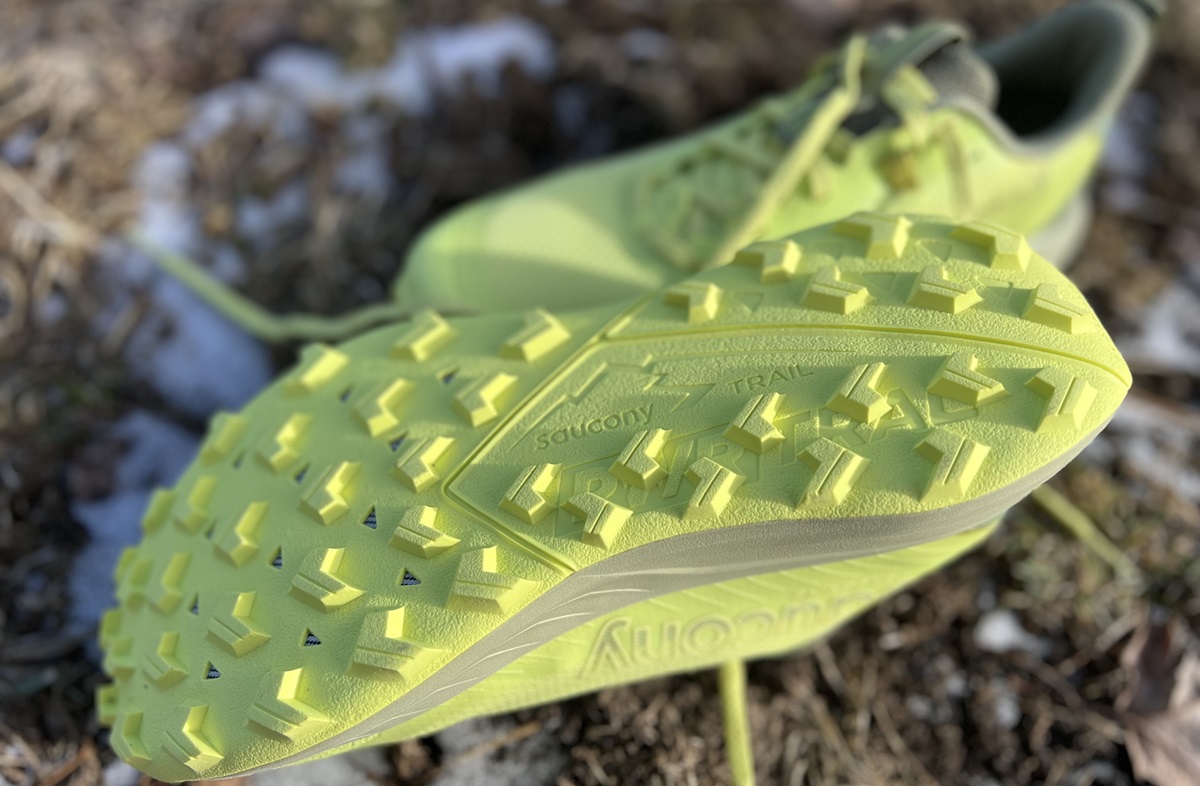
Saucony Peregrine 15 Traction
Example of downhill lugs

As you can see, there’s actually a lot more going on with those little pieces of rubber on the bottom of your shoe than you might think.

Hopefully, this helped clear up what you need to know about trail shoe lugs and makes it a little easier to choose the right pair for your next run.

And of course, if you’re in need of a pair, checkout all the trail running shoes we’ve reviewed to help you narrow it down!

What to read next?

  • Suunto Vertical 2 Review | Ready for Adventures Well Beyond a Trail Run
  • Why These 9 Cushioned Trail Running Shoes Are Worth Every Penny
  • 8 Best Road to Trail Running Shoes for Runners Who Go Everywhere

Category: Trail Running, Trail Running Shoes

Google News

Add RunToTheFinish to your Google News Feed


Stacey Gross Avatar

Author

Stacey Gross

Running Coach, Author, and Shoe Tester

Stacey has been a part of the Run To The Finish coaching team since 2021. She is a marathon runner and duathlete, having crossed many finish lines finding her sweet spot to be in the shorter distances. She loves testing gear and providing feedback for the middle and back of the pack runners! She embraces a good treadmill run, alongside her road running with her four-legged training partner Luna, and since recently moving to Colorado, is a newbie trail runner learning the ropes providing great feedback in each area. When she’s not running, coaching or writing, you’ll find her sipping on a cup of iced coffee….no matter what the weather is outside. Follow Stacey on Instagram
Previous Post:ASICS Glide Ride Max 2 AirAsics GlideRide Max 2 Review | Is it the Ultimate Heel Striker Daily Trainer?
Next Post:10 Best Marathons in Europe (That Aren’t Berlin Or London)amsterdam marathon start

Reader Interactions

Leave a Reply Cancel reply

Your email address will not be published. Required fields are marked *

Sidebar

Welcome!!

Hello runners! I’m Amanda Brooks, a certified running coach and personal trainer since 2012. But my running love started long before that in 2002. My philosophy is that running isn’t about your pace or the distance or your body. It’s about showing up for yourself, loving the process and doing it injury free!

Trending Gear Reviews

1
Top Gifts for Runners
2
Best Running Books
3
Running Jackets for Every Condition
4
HOKA Vs On Cloud Running Shoes

Recent Posts

  • On Cloud X Tempo Review | Firm and Sturdy, But Is It Really a Running Shoe?
  • Tokyo Marathon Guide and Training Tips
  • ASICS Sonicblast 2 Review | A Light and Bouncy Shoe That Makes You Want to Run Faster
  • NYC Marathon Course Tips + Common NYC FAQs
  • Nekteck Airflow Go Review | Calf & Leg Compression Recovery You Can Take Anywhere

5 Secrets to Improve Your Run

Start Making Quick Progress on Your Goals (I swear it's easy) no matter your current fitness level. The tips we share with the runners we coach.

Resources for Runners

Training Styles

Low Heart Rate Training Plan
Run/Walk Method
Runner Strength Training Plans
Couch to 5K Training Plan
What to Do After C25K

Half Marathon

Couch to Half Marathon Training
Half Marathon Fueling Strategy
Sub Two Hour Half Marathon Training Plan
Best Marathon Running Shoes Online Running Group

Marathon

Couch to Marathon Training Plan
4 Hour Marathon Training Plan
Marathon Pacing Strategy
Must Have Marathon Gear
Online Running Coach

Follow Me on Instagram

About Amanda Brooks

Amanda Brooks is a Certified Running Coach, Certified Personal Trainer and long time distance runner with a passion for every facet of running, which leads her to do more reading, research and running than necessary. Find all the tips, tricks and tools you need from this running coach for your best injury free running. Read More…

Contact
About
Partnerships
Podcast
Newsletter
Privacy

Running Shoe Reviews
Running Gear Reviews
Online Running Coach

  • Facebook
  • Instagram
  • Pinterest
  • Twitter
  • YouTube

5 Secrets to Improve Your Run

Start Making Quick Progress on Your Goals (I swear it’s easy) no matter your current fitness level. The tips I share with the runners I coach.

Website written, managed and maintained by Amanda Brooks, a certified running coach and personal trainer. Any advice should be taken as general information and not a personalized plan. All opinions, tips and reviews are based upon her personal life experience and the experiences of those she has coached. View our full privacy and review policy. No AI.

Copyright © 2026 ยท RunToTheFinish ยท All Rights Reserved