

Many of the top brands are starting to put out their own fitness wearables, offering a growing number of options for the health-conscious consumer. Two recently released devices are worth considering if you’re in the market: the Polar Loop and Garmin Cirqa.
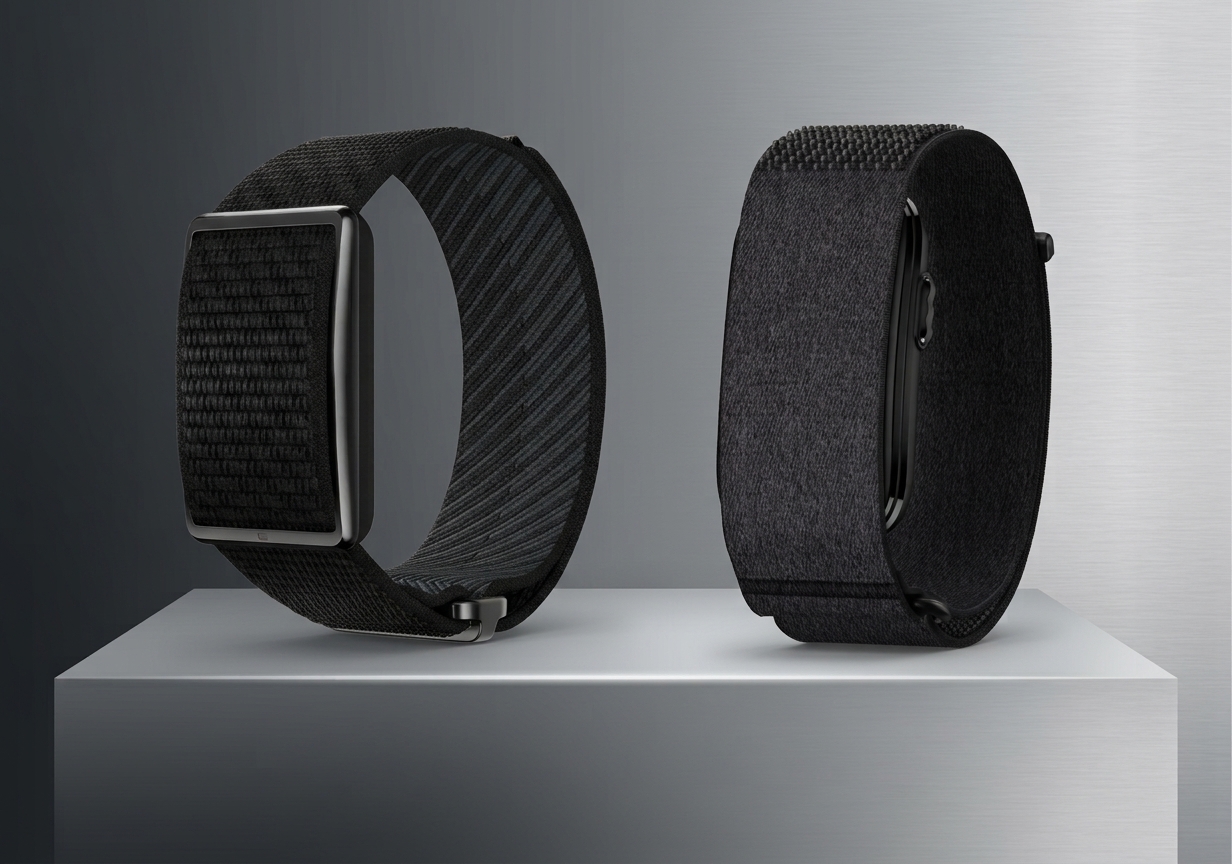
Both are designed to offer valuable insights into your health without the additional bells and whistles, and often the distractions that come with a traditional smartwatch.
Both devices help users better understand their health, fitness, and recovery, but they take slightly different approaches to tracking and data gathering. Several factors can influence which device offers the best overall experience:
- Design
- Tracking Capabilities
- Battery Life
- App Experience
- Comfort
- Health & Recovery Insights
We’re going to pit the Polar Loop and Garmin Cirqa head-to-head so you can make a more informed choice for your next fitness wearable.
Polar Loop vs Garmin Cirqa Specs Comparison
Let’s start with the specs for each of these screenless wearables.
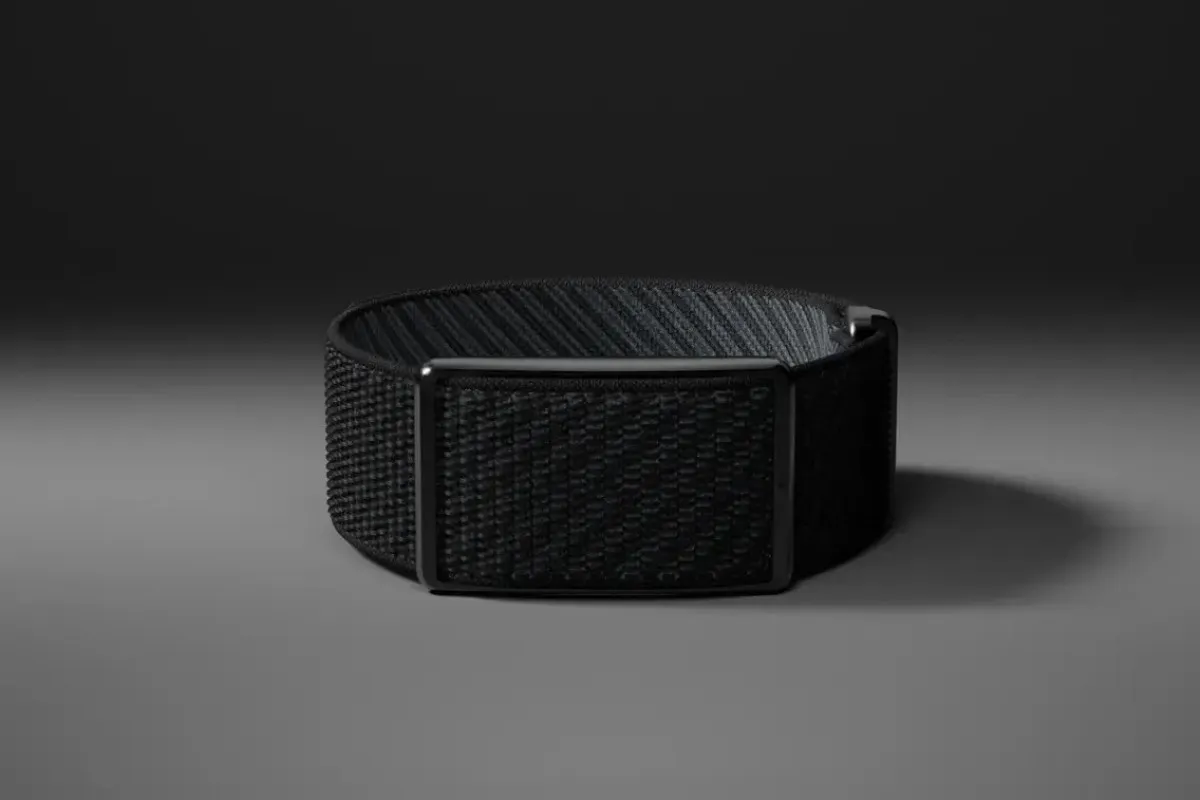
Polar Loop Specifications
- Brand: Polar
- Weight: 29 g with band, 19.9 g without
- Battery Life: Up to 8 days
- Subscription: Basic metrics are free, but $8.99 monthly for additional training guidance
- Water Resistant: Up to 3 ATM
- Available in 3 colors
- Available in additional textile, silicone, or leather band options
-
Available at REI.com for $200
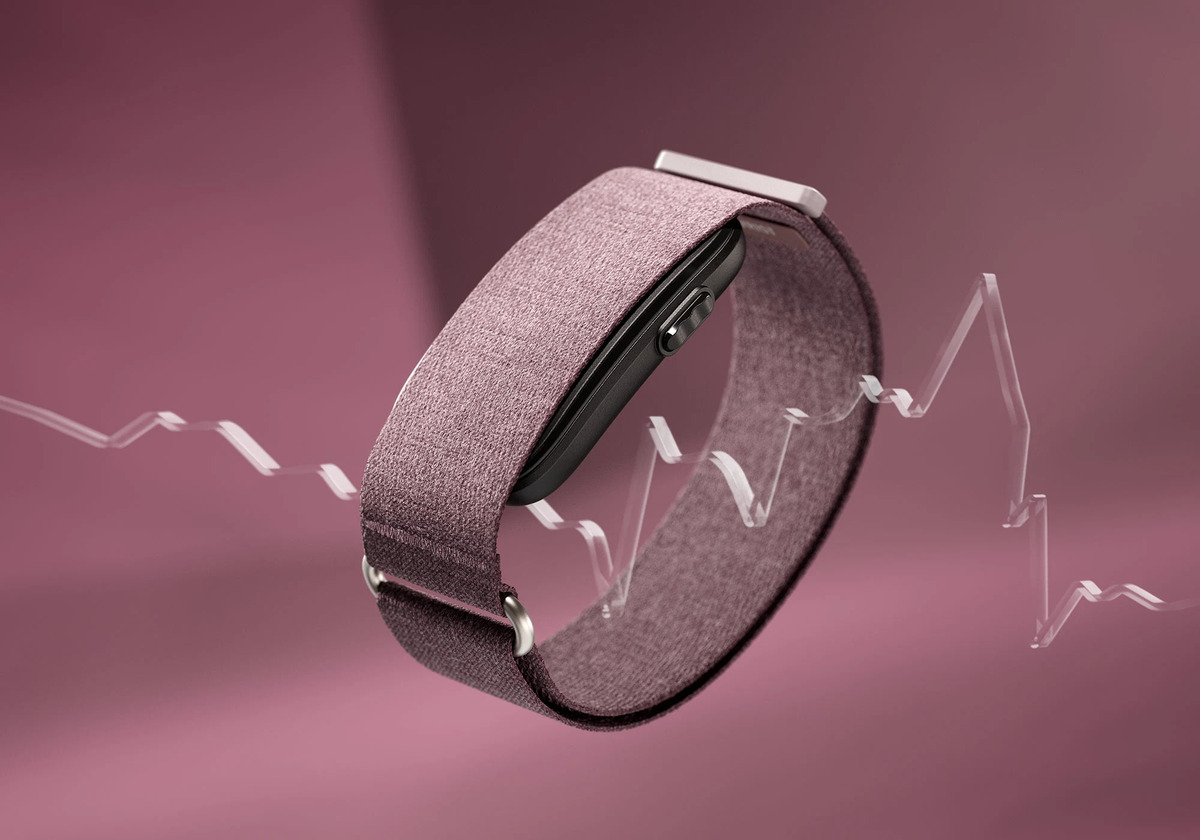
Polar Loop Specifications
- Brand: Garmin
- Weight: 20.7 – 21.2 g (depending on band size)
- Battery Life: Up to 10 days
- Subscription: Free for over 20 metrics, but $6.99 monthly for premium features
- Water Resistant: Up to 5 ATM
- Available in SM-MD or L-XL
- Available in 4 colors
-
Available at garmin.com for $200
Polar Loop vs Garmin Cirqa Feature Comparison
Let’s go through feature overviews to see how each of these wearables stack up against each other across several different categories.
App Experience
Seeing as both the Polar Flow and Garmin Cirqa are screenless bands, you’ll need to upload to an app to view your metrics. For Polar, you’ll use the Polar Flow app, while Garmin uses their Garmin Connect App.
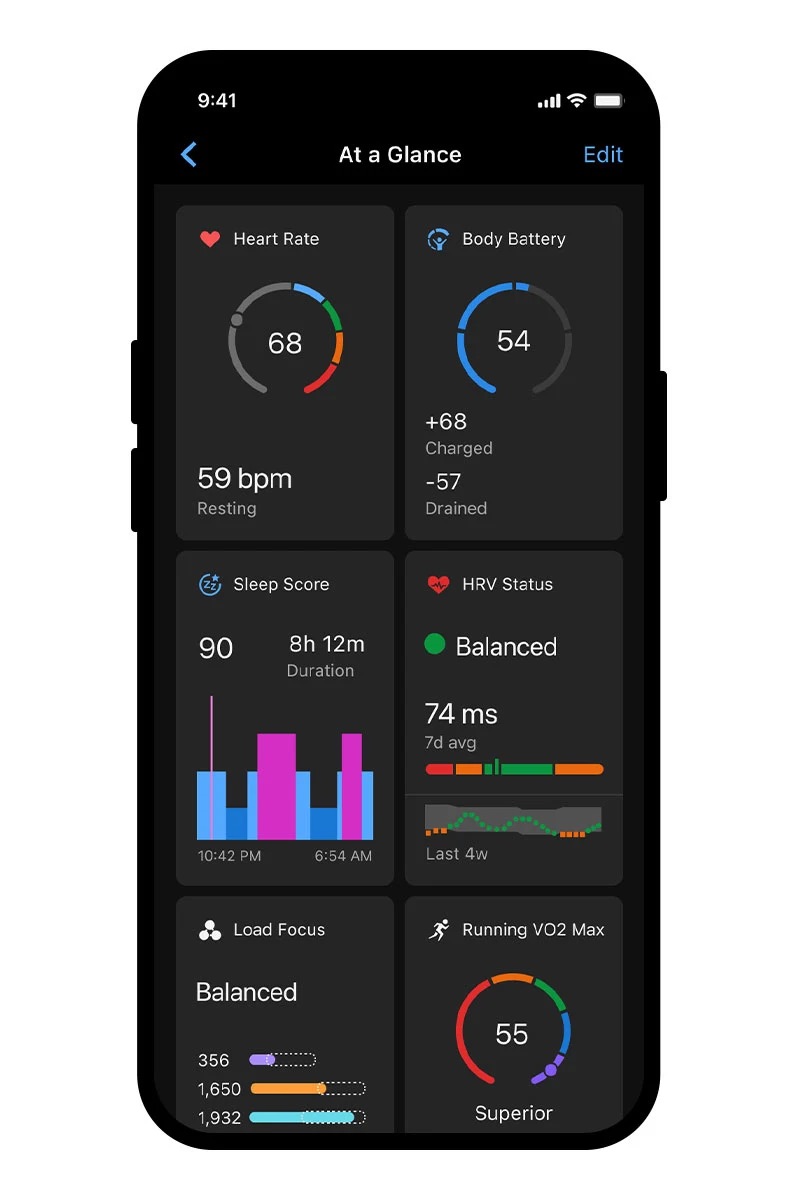
The Polar Flow app is more geared towards the health and wellness aspect of fitness, while Garmin Connect leans more towards being performance-oriented.
Inside the Polar Flow app, you’ll see a better understanding of how your activities affect how much recovery you need. You’re given a daily snapshot of your:
- Sleep
- Overnight HRV
- Activity Levels
- Nightly Recharge
- Daily Activity Levels
Polar also provides a SLEEPWISE score, which gives you a prediction of your daytime alertness based on your sleep quality.
With the Garmin Cirqa, you get a more extensive picture of your daily well-being with metrics such as:
- Sleep Tracking
- Overnight HRV
- Stress
- Body Battery
The performance metrics include training readiness, VO2 max, training status, training stress, and recovery time.
Sensor Performance
The Polar Loop and Garmin Cirqa both use optical heart rate sensors to monitor cardiovascular activity. OHR sensors work by shining light directly into the skin and measuring the reflected light from your blood as your heart beats.
While wrist-based heart rate is not always the most accurate, it can provide a close enough idea of activity if worn properly.
The biggest flaw in wrist-based heart rate tracking is often seen during quick changes in heart rate, such as during fast intervals or HIIT workouts.
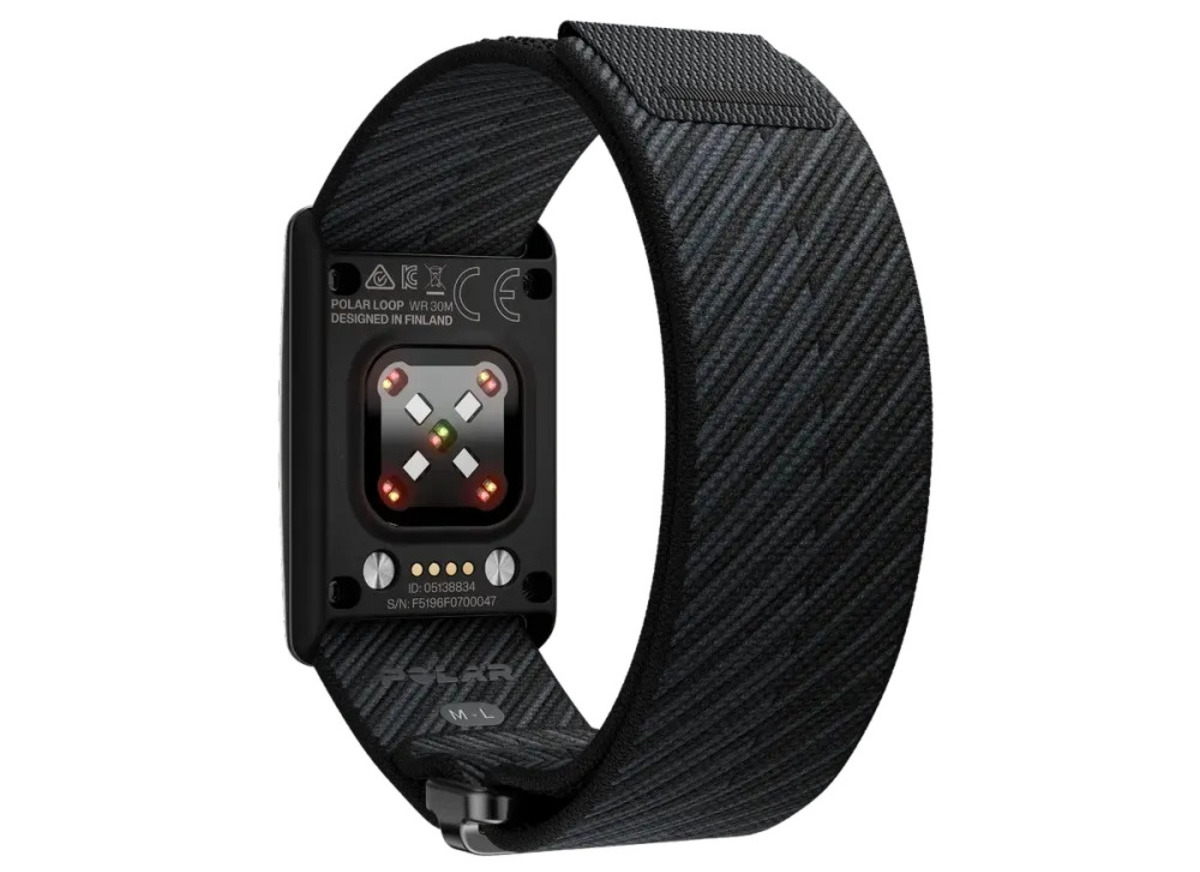
The Polar Loop uses Polar’s Precision Prime heart rate technology, developed in-house, along with proprietary algorithms to achieve accurate readings.
The Garmin Cirqa uses Garmin’s Elevate Gen 4 optical heart rate sensors, and it offers additional skin temperature monitoring. The Garmin Cirqa, like the Polar Flow, has shown good accuracy during steady activities like:
- Runniing
- Walking
- Sleeping
(But struggled to keep up with the rapid changes during more intense activity.)
Both offer an optional armband that can be used during activity. Armbands have shown more accurate heart rate readings when compared to chest strap heart rate monitors.
The Polar Loop armband retails for $29.90, while Garmin’s armband costs quite a bit more at $59.99.
Design And Fit
At first glance, there is not a lot of difference between the Polar Loop and Garmin Cirqa. Both have a screen-free design and fabric strap and weigh close to the same.
The Polar Loop’s band is a soft woven material that is designed to offer a comfortable experience for 24/7 wear.
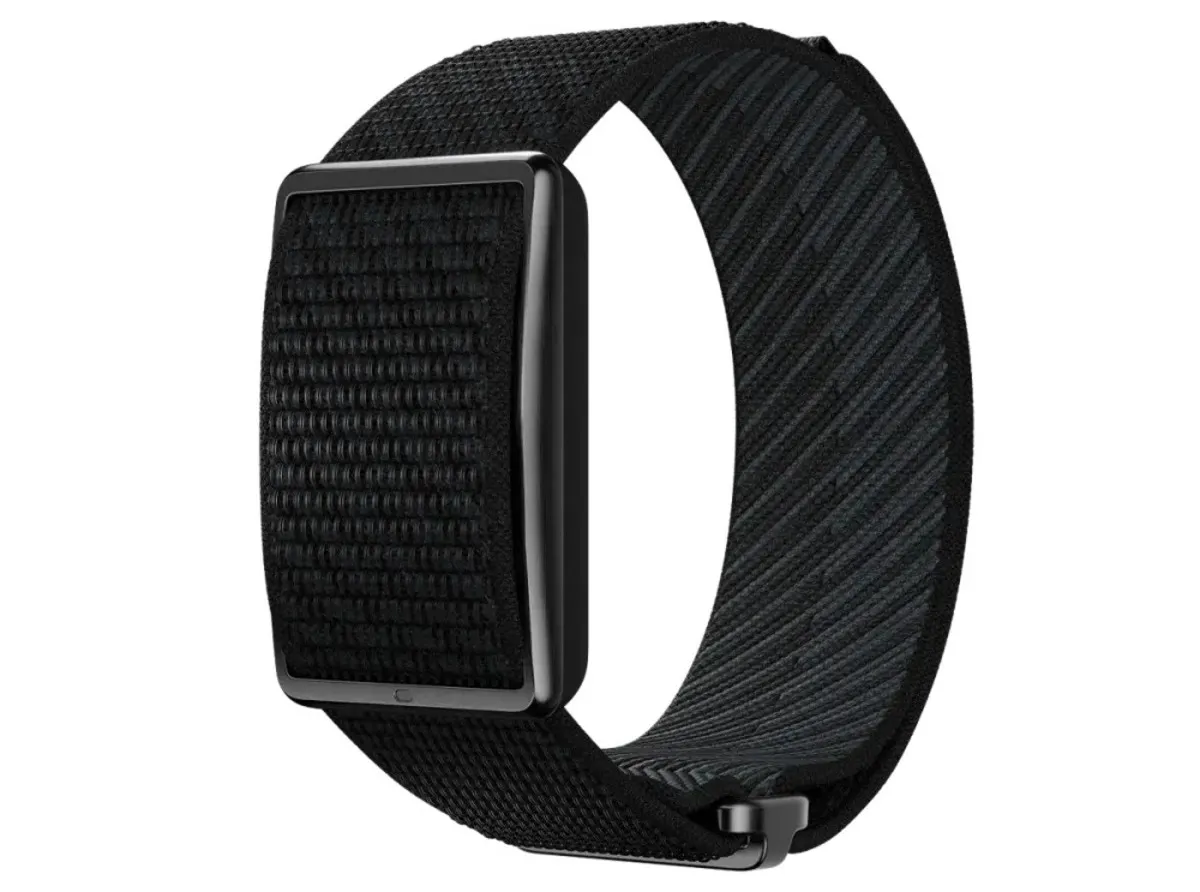
The Velcro closure is held in place with a metal buckle. An optional Silicone band with a magnetic enclosure or a leather band with a traditional enclosure is also available, giving you options for daily wear and not just the sporty look.
Stainless steel accents on the sleek, minimalist sensor round out the look, and the 29-gram weight makes it lightweight enough to disappear on the wrist.
The Garmin Cirqa’s lightweight ComfortFit fabric band offsets the slightly larger sensor, which features a side button and LED indicator light.
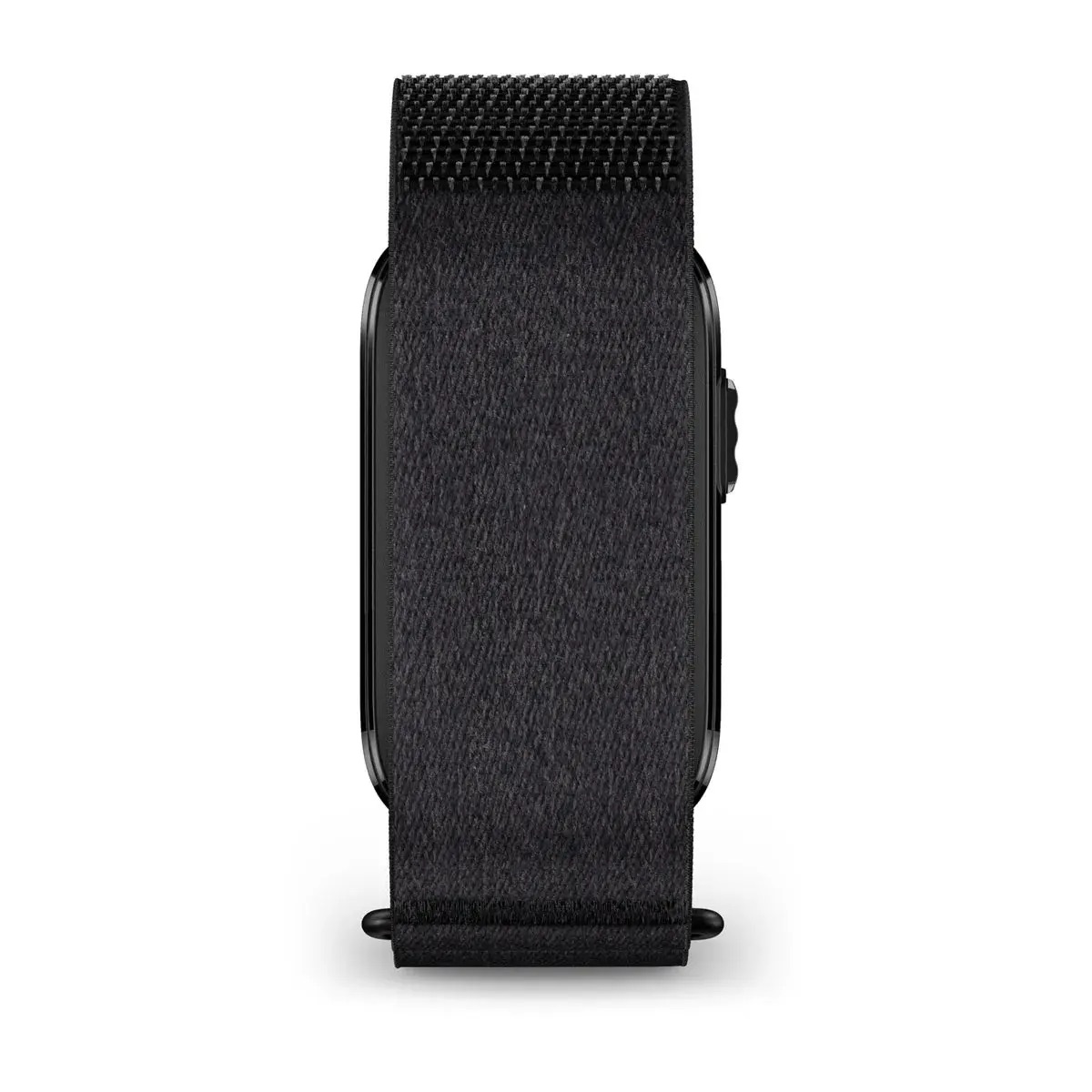
Garmin’s ComfortFit band also utilizes a Velcro hook-and-loop closure, but opts for 3 small strips of Velcro rather than one larger section.
The lack of metal accents on the Garmin Cirqa gives the Garmin the edge in weight, coming in at somewhere between 20.7 and 21.2 grams depending on the size of the band you choose.
Conclusion: Which Is Better For You?
There is very little space separating the Polar Loop and Garmin Cirqa smart bands.
The Garmin Cirqa is slightly larger, a little lighter, but durability might be an issue. The entirely plastic build of the Cirqa’s sensor may not hold up as well as Polar’s sensor, which has steel components.
The price is the same for both, and the optional subscription is exactly that: optional.
Both Polar and Garmin keep the most important metrics out in front of their respective paywalls.
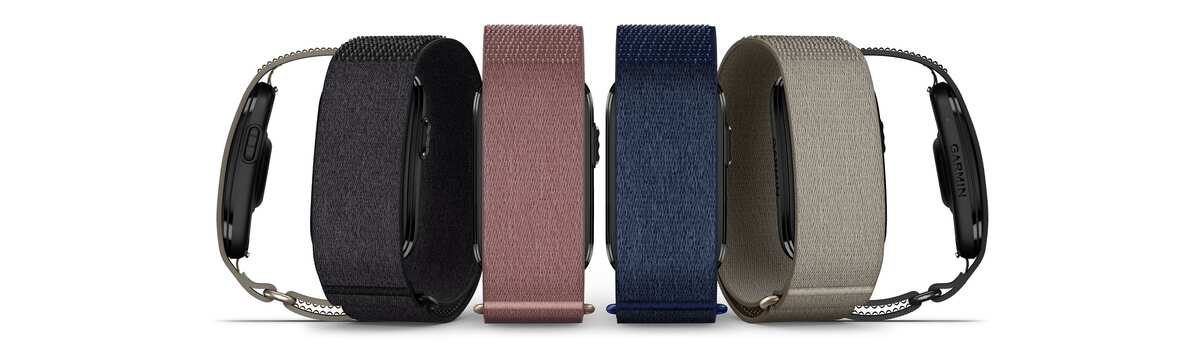
The biggest difference is in the optional straps available from Polar, which Garmin is lacking. Garmin does offer more color options for their original band, but no other materials at this point. The one option Garmin does offer, the armband strap, is twice the price of Polar’s armband.
Polar’s band options offer users the choice of dressing up their wearable for semi-formal or business use, whereas the Garmin Cirqa is limited to one style of wristband.
Pricing aside, the biggest deciding factor may very well just be ease of use.
With Garmin’s popularity and large market share, not having to migrate data from one ecosystem to another could lead one to choose the Garmin Cirqa over the Polar Loop.



 Nike Swooshfly Preview | Democratizing Carbon Plated Speed

Leave a Reply