

If you are looking for a shoe designed to help you run fast on race day, the Nike Alphafly 4 is a solid contender. And trust me, I would know! I’ve been racing in Nike’s super shoes since the original Vaporfly 4% debuted in 2017.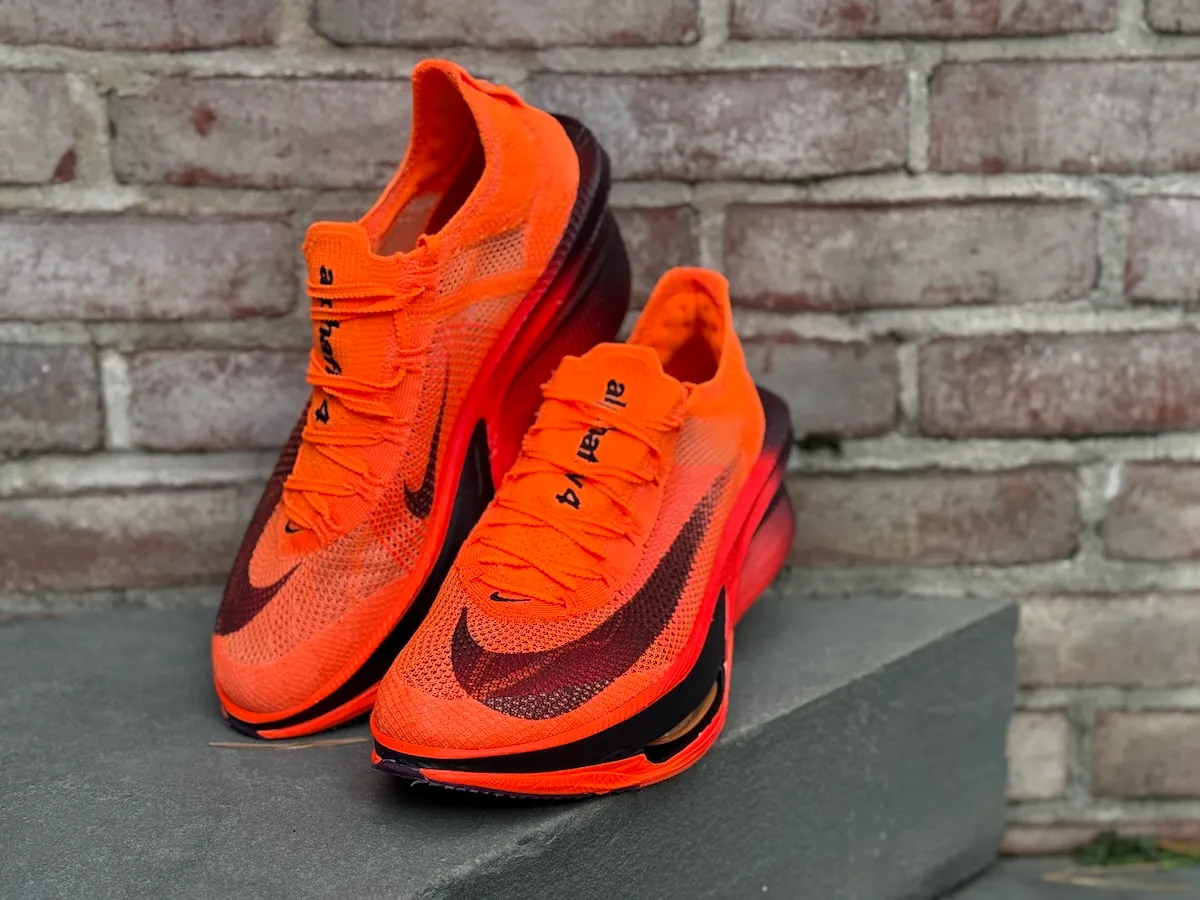 Over nearly a decade, I’ve gotten to experience several generations of the brand’s racing technology. I’ve raced and snagged numerous PRs in the Nike Zoom Vaporfly 4%, Vaporfly 4% Flyknit, and the original Nike Zoom Alphafly NEXT%.
Needless to say, I was excited to see how the Alphafly 4 would compare.
I typically run in lightweight, neutral trainers and prefer shoes that feel responsive without being overly bulky or cushioned. Lately, my go-to everyday running shoe has been the Brooks Hyperion 3.
The Alphafly 4 builds on the lightweight, responsive feel I’m used to, but takes it up a notch with more energy return and the extra pop I look for in racing-specific shoes.
The Alphafly 4 is a step-up from the previous model, with updates to its cushioning, carbon-fiber plate, and upper, all designed to deliver even more energy return with less weight.
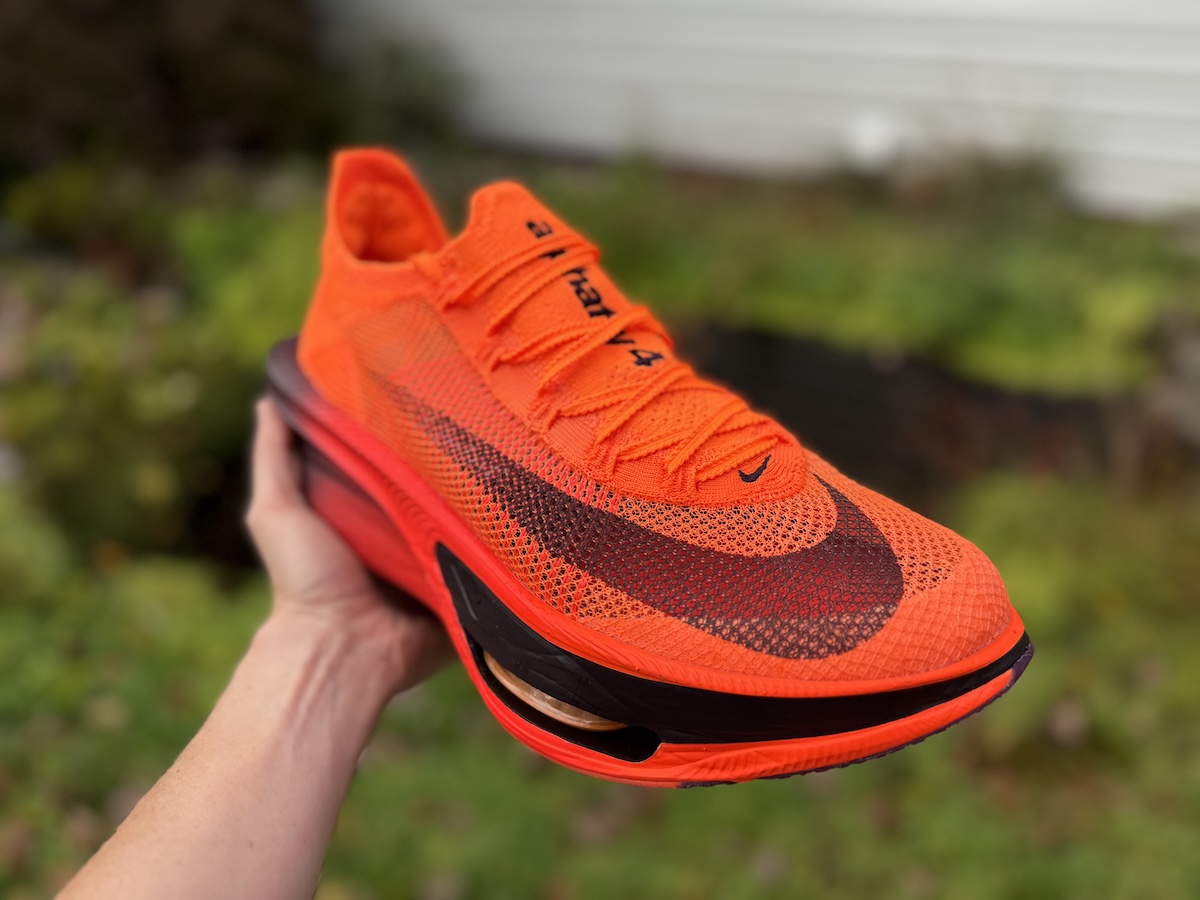 Compared to the Alphafly 3, Nike says the Alphafly 4 is 5% lighter and delivers 10% more energy return, thanks to updates to the Air Zoom units and the addition of ZoomX LT foam.
The Alphafly 4 also features a substantial 39 mm stack height in the heel, putting it just 1 mm below World Athletics’ 40 mm maximum stack-height limit for road racing shoes.
Our Verdict
Overall, I think the Alphafly 4 strikes a great balance between cushioning, weight, and energy return. It might not have the super springy sensation I remember from earlier Nike super shoes, but it still feels like a shoe designed to help you run fast. I wouldn’t choose it for everyday training, but I would absolutely consider it for race day!
Who Is It Good For?
-
Wide Feet: No dedicated wide sizes available.
-
Heavier Runners: The cushioning and carbon-fiber plate provide plenty of underfoot protection and energy return for runners of all sizes, including heavier runners. However, runners who prefer a firmer, lower profile platform may want to consider other racing shoes.
-
Long Runs: The shoe is specifically designed with half and full marathons in mind. It provides substantial cushioning and energy return for longer race efforts.
-
Front of the Pack: If speed is your intent, this is the shoe for you! Its lightweight construction, carbon-fiber plate, and responsive cushioning make it a strong choice for those who take racing seriously.
This shoe is great for neutral runners looking for a high-performance racing shoe.
Nike Alphafly 4 Overview
After testing the Alphafly 4 over approximately 10 runs, I have a good initial impression of how the shoe feels underfoot.
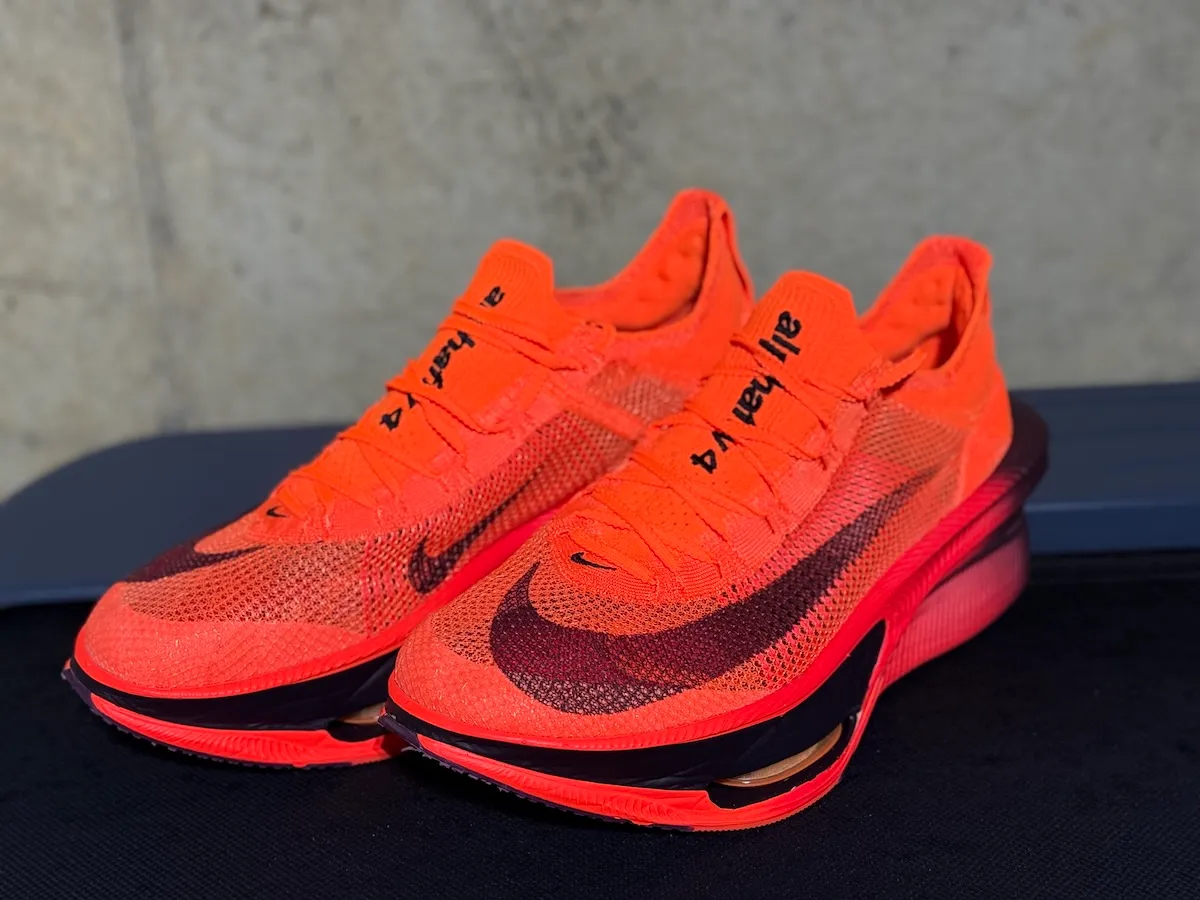 Unlike a daily trainer, this isn’t a shoe I would envision wearing for everyday activities or easy runs. And with a price tag of $280, I would save the shoe for race day, with a few shorter runs beforehand to get the feel of the shoe and ensure comfort before competing.
My testing consisted entirely of runs ranging from 2-5 miles. While I would have loved to test the shoes in a race environment, the runs I completed gave me a solid opportunity to evaluate the shoe’s fit, weight, stability, and responsiveness.
So, what makes the Alphafly 4 a contender as my next race-day shoe? I was excited to test out the enhancements Nike made.
Most notably, Nike updated the cushioning system, Air Zoom units, carbon-fiber plate, and the upper.
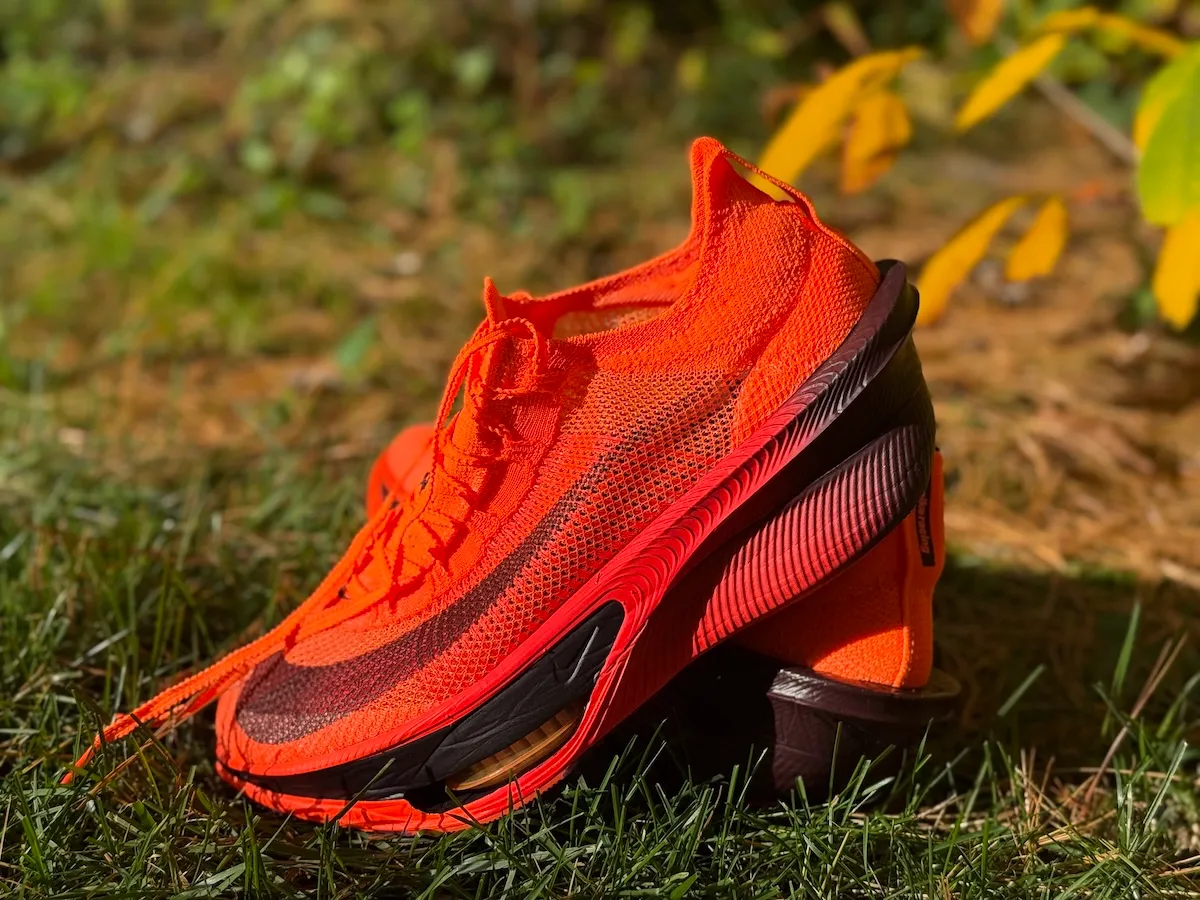
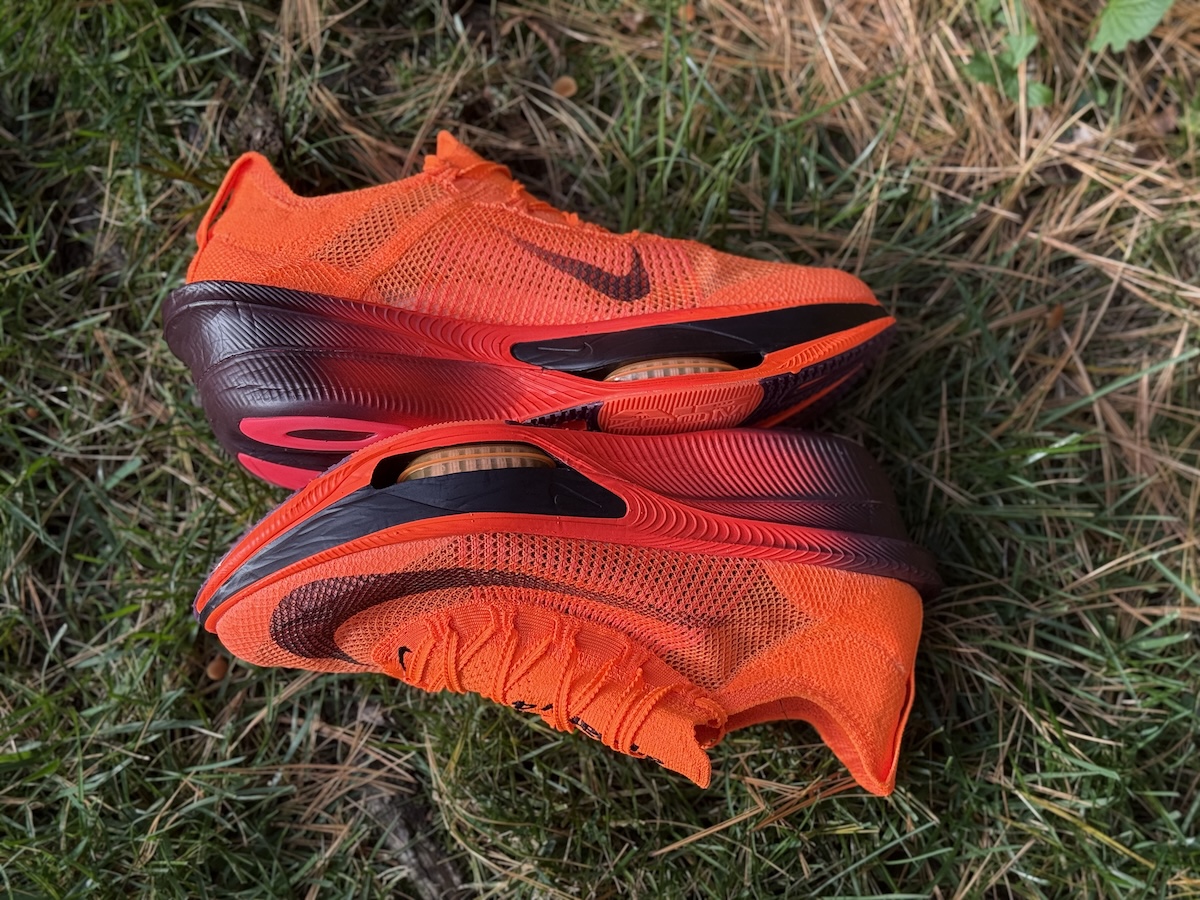
The Alphafly 4 introduces ZoomX LT foam, a lighter version of Nike’s ZoomX cushioning, which is layered above the traditional ZoomX foam.
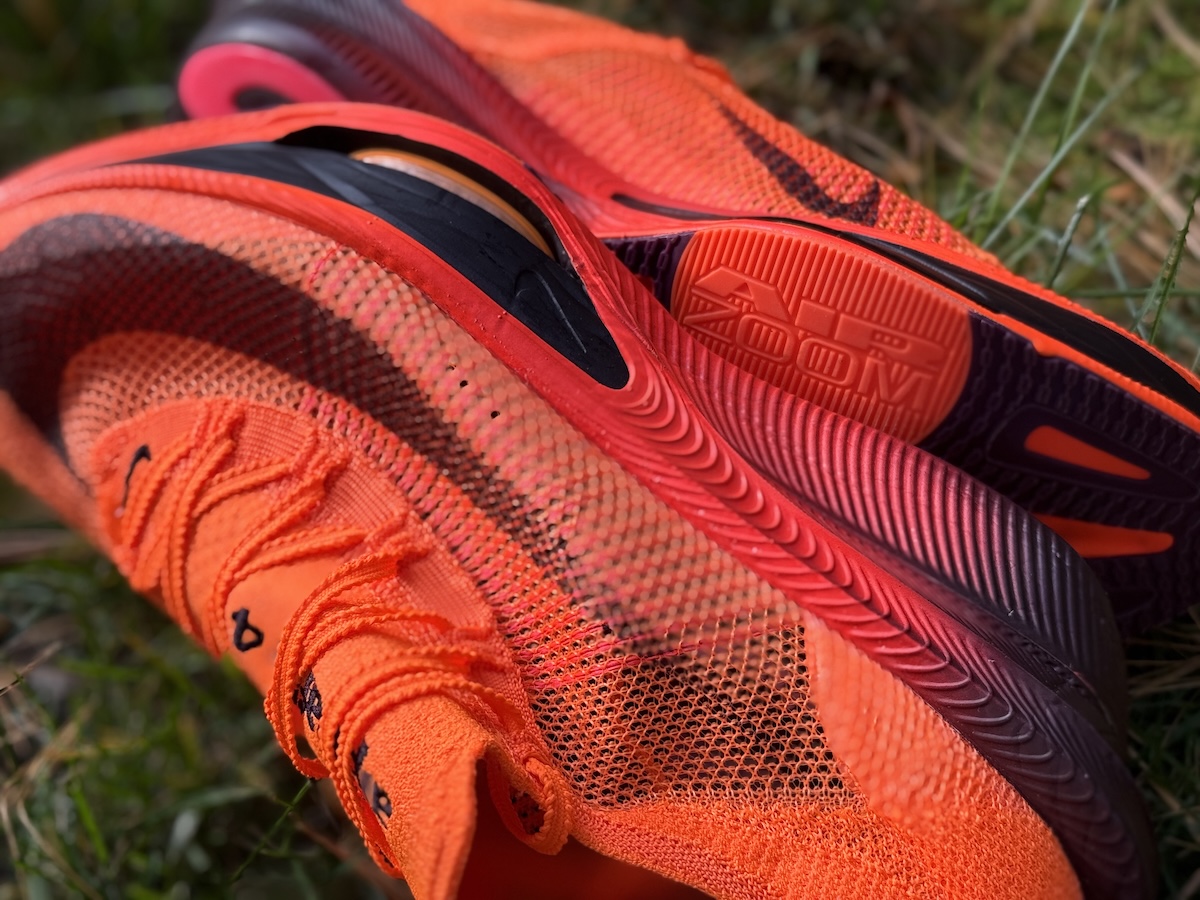 This dual-foam setup provides a lighter, more responsive ride while also maintaining the energy return that has made the Alphafly such a popular racing shoe for me and many others.
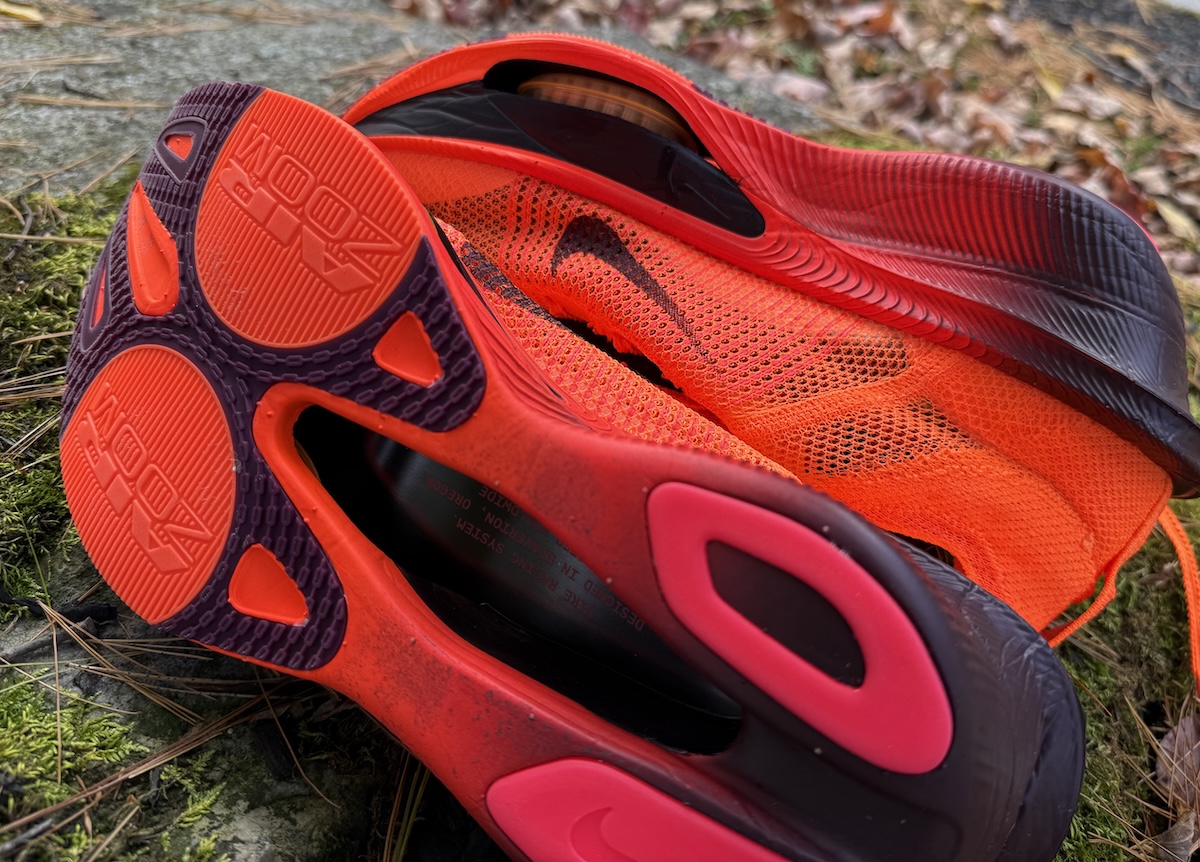
Another notable update is the Air Zoom units in the forefoot. Nike redesigned these units to create a softer, quieter feel while maintaining energy return.
The shoe also features a wider carbon-fiber Flyplate, designed to provide a propulsive transition while improving stability through the midfoot.
Finally, Nike updated the Atomknit upper with some additional open-mesh areas for breathability and supportive midfoot cables to help keep the foot secure.
The result is a lightweight racing shoe that has a more refined fit and updated cushioning system. I could definitely feel that this shoe is more stable and feels overall more comfortable than past iterations, which I can only assume would be really noticeable and beneficial in those final marathon miles!
Nike Alphafly 4 Specifications
- Brand: Nike
- Usage: Carbon Plated Shoe
- Previous Model: Alphafly 3
-
Weight: Approximately 6.6 oz (Women’s 10 / Men’s 8.5)
-
Stack Height: 39 mm
-
Heel Drop: 8 mm
-
Not available in Wide
- Available in 2 colors
-
Available at nike.com for $280
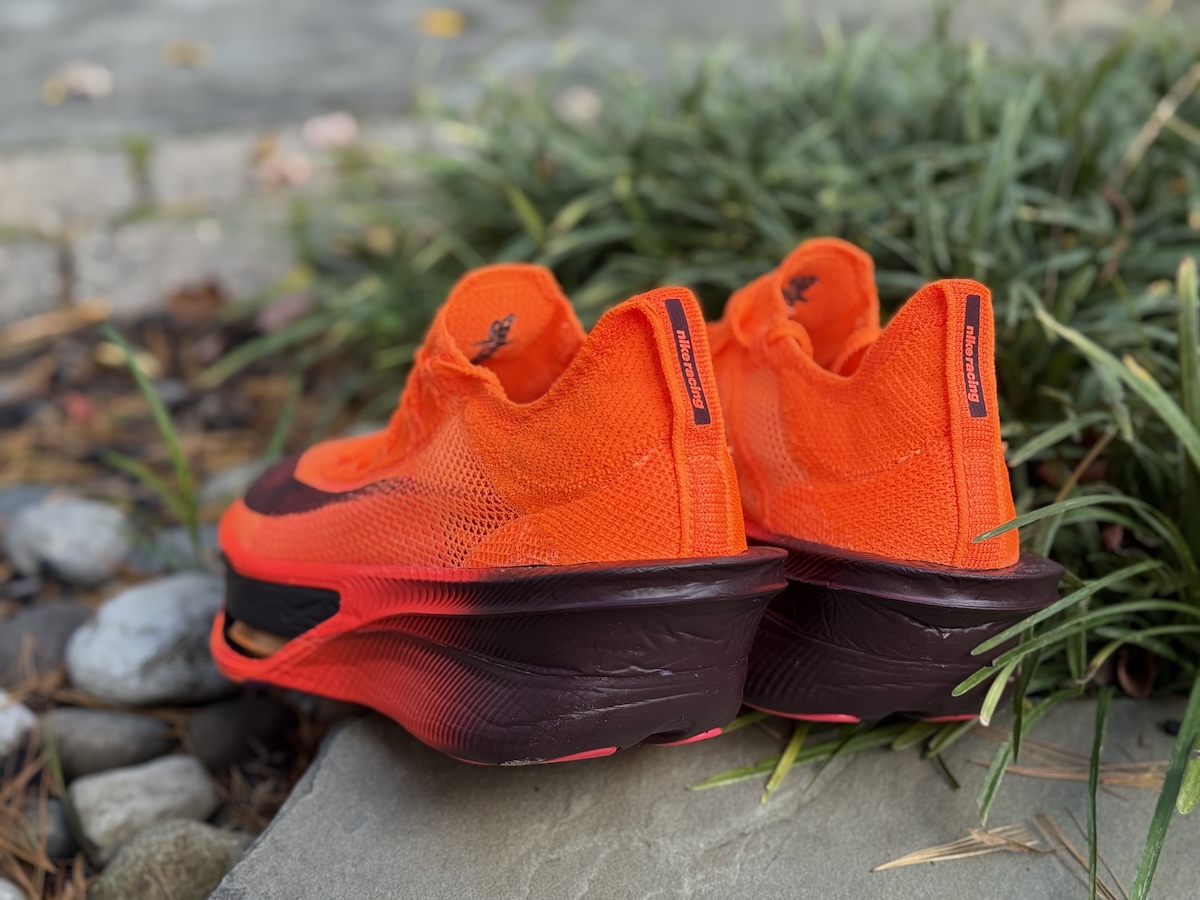
I tested the Total Orange/Hyper Crimson/Bordeaux/Burgundy Ash colorway. I really like the look of this shoe for racing. The bright orange and burgundy combination gives it that unmistakable fast-shoe appearance.
It looks like a shoe built for race day! I would definitely NOT wear this shoe for leisure activities or family walks. Again, with the $280 price tag, I would not put any additional wear and tear on the shoes. Instead, I would reserve it mainly for racing.
Quick Take
Pros
-
Amazing energy return, providing a responsive, fast, and peppy ride.
-
Secure heel fit and stable overall feel.
-
Comfortable laces that help create a secure lockdown.
-
Strong racing shoe that I’d recommend adding to a race-day lineup.
Cons
-
Initially felt a bit snug, although the fit loosened considerably over the course of testing.
-
Less springy than some of the previous Nike super shoes I’ve tested.
-
Pricey
-
Primarily a race-day shoe rather than something I’d wear for everyday running.
Nike Alphafly 4 Fit
Length: True to size
Width: Standard racing width
Toe Box: Standard
Arch: Neutral
Volume: Standard
The Alphafly 4 fit true to my usual men’s size 11.5. Initially, the shoe felt a little snug, but I noticed that it loosened up a bit over the course of my testing.
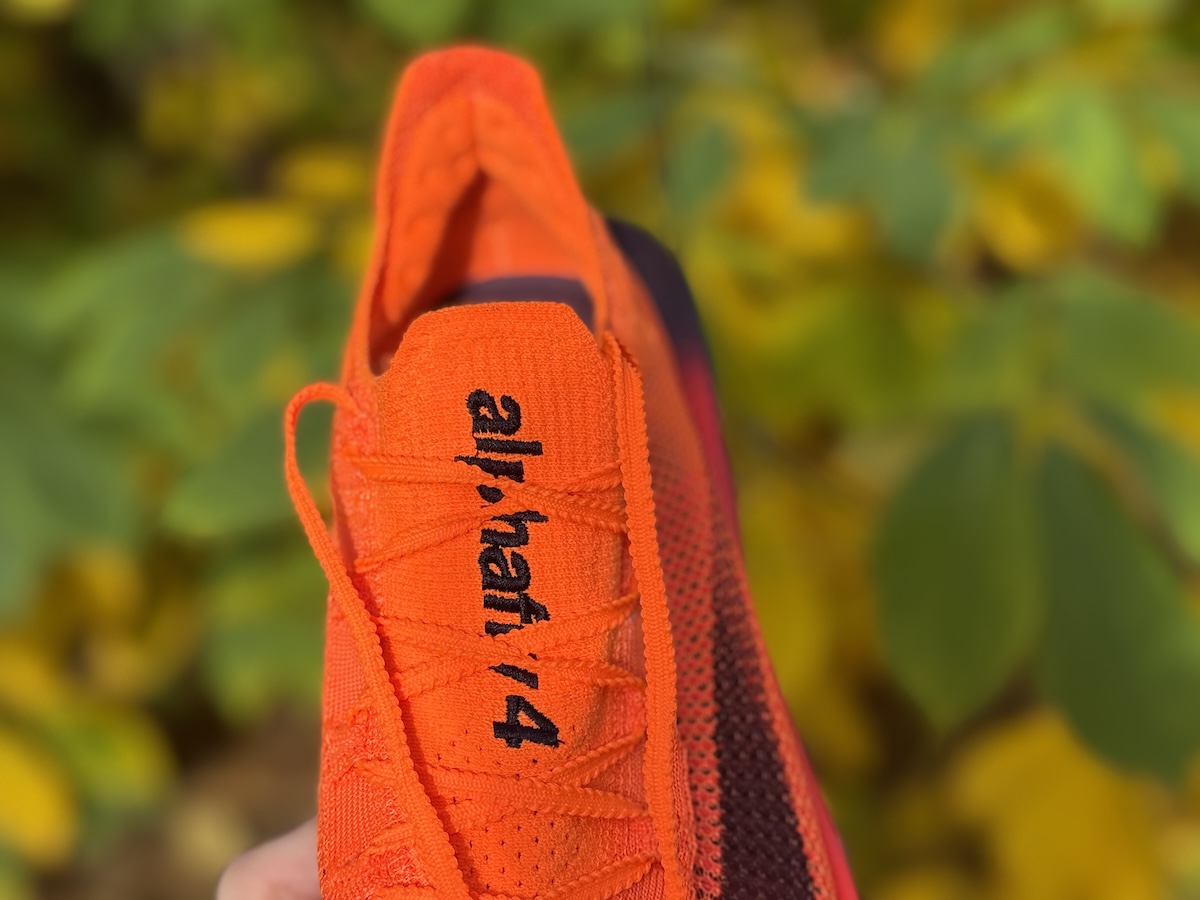 After a few runs in the shoe, the fit felt more comfortable overall. This might be relevant if you’re planning to race in the shoe; I would definitely suggest a few pre-race runs to ensure a good fit on race day!
I particularly liked the laces, which ensured a secure fit without any noticeable issues.
The heel also felt secure, and I had no concerns about slippage during my runs. Overall, I felt stable and secure in the shoe, which is especially important for me in a racing shoe.
The lightweight feel was another positive for me. Despite the increased cushioning underfoot, the shoe didn’t feel overly heavy or cumbersome at all.
It has the performance-oriented fit I’d expect from a racing shoe.
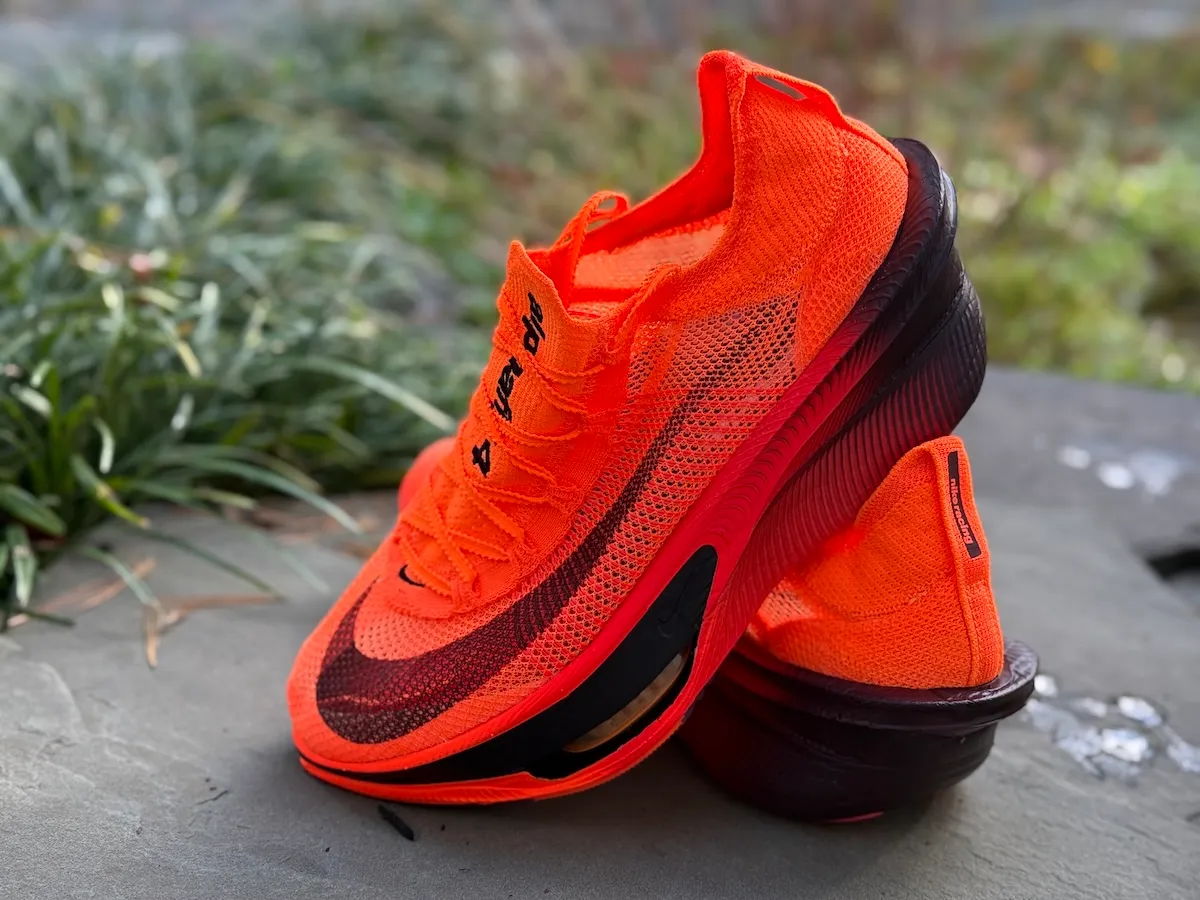 The updated Atomknit upper is another one of the nice fit improvements for me. It resulted in a comfortable and lightweight fit and feel, with the open-mesh sections allowing for better airflow and breathability, which is particularly important to me since I tend to overheat and sweat a lot while running.
Overall, I would feel confident and excited to be at the starting line of any half or full marathon wearing these shoes.
Nike Alphafly 4 Feel
The AlphaFly 4 delivers both a lightweight and cushioned ride with exceptional energy return.
One of the best things I noticed was how light the shoe felt underfoot. Despite its cushioning, it did not feel bulky at all.
 Having tested Nike’s super shoes for nearly a decade, I was particularly interested in how the Alphafly 4 would compare with the earlier models.
I’ve run in the Nike Zoom Vaporfly 4%, Vaporfly 4% Flyknit, and the original Nike Zoom Alphafly NEXT%. Compared with those shoes, I found the Alphafly 4 to be less springy.
It doesn’t have quite the same noticeable bounce or spring that I remember from some of the earlier models, which I think is due to the increased cushioning in this shoe.
Although the Alphafly 4 has plenty of cushioning, I wouldn’t describe the ride as plush or cloud-like.
 Instead of simply sinking into soft cushioning, I felt supported and pushed forward with each stride. It’s designed to provide cushioning and energy return over long race distances while helping maintain an efficient and fast pace.
I found the combination of the thick ZoomX foam and rigid, curved carbon-fiber Flyplate gives it a much more propulsive feel.
I definitely felt like the shoe provided a good energy return. I didn’t find the ride flat or unresponsive, and the shoe performed well during my runs.
I was also pleasantly surprised by how little effort it seemed to take to maintain a slightly faster pace. On one of my runs, I was able to run at approximately a 6:20-per-mile pace compared with my usual 6:25 pace without feeling like I was exerting any additional effort.
 Stability was another positive. Some highly cushioned racing shoes can feel a little awkward or unstable, particularly with their elevated stack heights.
I felt secure in the Alphafly 4, and the combination of the lacing system and heel lockdown helped give me confidence while running.
We’ve tested a few race shoes that feel similar, but different based on the brand fit: As I mentioned earlier, I’ve been testing Nike’s super shoes since 2017. Because I have experience with different models as technology has evolved, this has given me a unique perspective when testing the Alphafly 4. The biggest difference I noticed was the overall feel of the ride. Compared with previous models, the Alphafly 4 felt less springy. I remember a more pronounced sensation of bounce in some of the earlier shoes. The shoe also felt lightweight and secure, which are two important qualities I look for in a racing shoe. One thing I particularly appreciated was the overall stability and lockdown. The shoe felt secure around my heel, and I liked the laces. At $280, the Alphafly 4 is certainly an expensive shoe. It’s also not something I’d wear for everyday training. Instead, I’d reserve it for races, with a few shorter runs beforehand to get accustomed to the fit and feel of the shoe and prepare for race day. Ultimately, I think Nike has delivered another strong racing shoe with the Alphafly 4. It has earned a place in my race-day lineup. Now I just need to register for my next race! I’m Stephanie Hoppe, a writer and running enthusiast based out of Bethlehem, PA where I live with my husband, our 2-year-old son, and three Vizslas. Running has taken me all over the world, and I’ve competed in everything from a 1-mile race in Manhattan to a 50-mile ultramarathon in the Arizona desert. I’ve even run (at least) a mile on every continent, including Antarctica! I enjoy covering elite runners, inspirational competitors and legendary athletes for publications such as Runner’s World, The Guardian, Women’s Running, PodiumRunner and Competitor Magazines. I’m passionate about helping runners at every stage of their journey, especially when it comes to finding the right shoes. Over the years, I’ve helped lead adult marathon and half-marathon training groups, volunteered with Girls on the Run, and worked part-time at several running stores. These experiences have given me a firsthand understanding of how the right footwear can influence a runner’s comfort, confidence, and overall experience.
Similar Shoes to Nike Alphafly 4
Comparison
 However, that doesn’t mean the Alphafly 4 lacks responsiveness. I still felt it delivered a good energy return, and I was impressed by how efficiently I could maintain a slightly faster pace without feeling like I was working harder. I think this would be especially beneficial when racing!
Who Tried It?
What to read next?



 10 Best Winter Running Shoes (And How to Choose Them)
Leave a Reply