

Allowing your body to wind down methodically after a run isn’t a mere formality; it’s a strategic move to elevate your running game. A cooldown after running is designed to be a gradual tapering off prevents the unpleasant jolt of blood pooling in the legs and wards off potential dizziness, to name a few benefits! Let’s talk more about the why and how of what to do.
And for the grammar police you could say cool down, but cooldown is indeed in the dictionary and how it’s often written in training plans!
What often gets overlooked after the sweat and exhilaration of our run – the cooldown. Yep, that post-run phase that many of us tend to skip. No shade here, I’m guilty of needing to run to the shower, breakfast and work too!
Turns out, it can be pretty darn important depending on the type of run you’ve done.
While studies do NOT show a reduction in DOMS (delayed onset muscle soreness) or even increased muscle strength from stretching, after a run that doesn’t mean there aren’t other benefits we need to consider.
Though if you tell me you only have time for one, I’m going to say focus on the warmup before your training session!
In this guide, we’re digging into the nitty-gritty of cooling down after a run – why it matters, what makes a good cooldown routine, and why tailoring it to your run type is the secret sauce for lasting fitness gains.
What Not To Do After Running?
One of the main things we want to avoid is sitting or laying down immediately after a long run or hard effort.
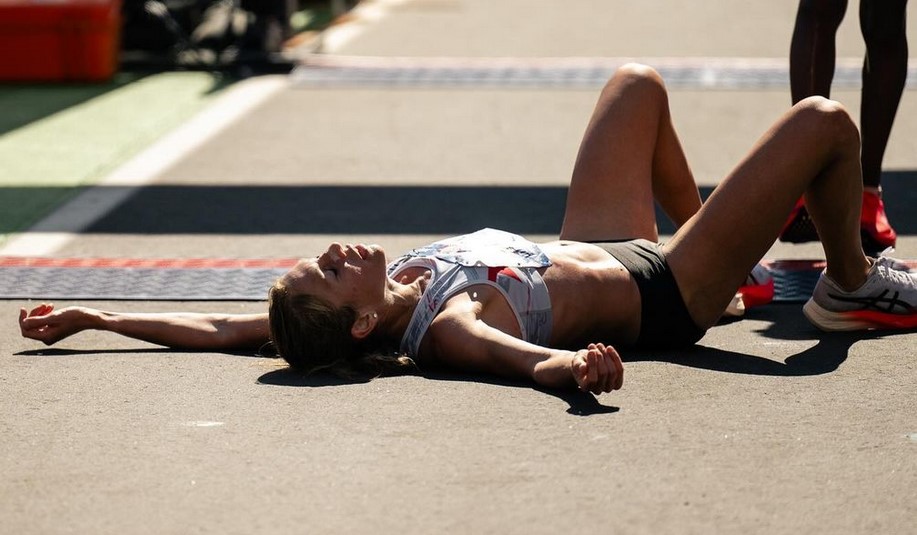
While you might see the elites collapse on the ground a the finish line for a moment, you’ll notice that they don’t stay there! They may take a moment, but then are up and moving about again pretty quickly.
Why shouldn’t you sit after running?
During a high-intensity workout, like running, capillaries expand to facilitate the delivery of nutrients and oxygen to the actively engaged muscles. However, this increased blood flow to the muscles can draw blood away from other parts of the body.
After completing the workout, it becomes crucial to allow time to redirect the blood from the extremities back to the brain and core, allowing nutrients to be replenished and initiating the repair process. Lying down or stopping immediately after a run can allow blood to pool in the feet, and heightens the risk of fainting.
Our goal is to gradually decrease the heart rate with light movement, ensuring the muscles continue working at a lower intensity to kickstart the repair and recovery process.
Do I Need to Cooldown After a Run?
Absolutely. Now that being said, maybe not for the reasons that you think. As a running coach, the reasons that I really want you to cooldown have little to do with the often reported reasons we think we should.
Typically, cool downs should last at least five to ten minutes, but don’t hesitate to extend this period if your run has been particularly intense or long. Listening to your body is key.
The cooldown after a run can indeed vary based on the type of run you’ve just completed.
- Short easy run, you might not need much more than a couple minutes of walking and standing in the shower
- For interval training or high-intensity runs, the cooldown is essential to help the body transition from a state of high exertion to rest.
- Long runs can be very taxing as well, along with dehydration, so I find the slow down is also really valuable.
For a more personalized approach, consider your resting heart rate.
Aim to continue your cool down until your pulse returns to near your normal resting rate. Be attentive to your breath as well; once it steadies and deepens comfortably, take it as a cue that your body is nearing its pre-run state.

Benefits of A Post Workout Cool Down
All right, let’s break down a bit more of what’s true, what’s not and what I think is truly most beneficial. A faster recovery from removing waste products would be nice, but really that comes down to smart training, running the right pace, hydration, and fueling over any calf stretch.
✅Preventing Lightheadness
This as noted above is one of the key reasons we want to ease in to a slower pace after high intesnsity workouts like a track session. Same can be said for why a personal trainer won’t let you just stop at the end of an OrangeTheory or other workout class.
Muscle Soreness
During a run, muscles contract and generate tension, leading to tightness and potential microtears. A proper cooldown, involving light jogging or walking and dynamic stretches, helps reduce muscle soreness and stiffness by promoting blood circulation, which delivers oxygen and nutrients essential for repair.
All right this is the one that we hear about the most, but guess what the studies say “mehhhh maybe”.
So there is no guarantee it’s going to assist in reducing muscle soreness. But I have found for our masters athletes, they tend to feel less stiff later in the day if they take a longer cool down.
We do know that a proper cool down can help to clear out some lactic acid and this might be why you feel better.
✅Returning to Homeostasis
Down-regulation is one of the big reasons I think we need to spend time on a cool down process, especially after hard workouts.
Down-regulation involves the relaxation of the nervous system. The sympathetic nervous system, responsible for the body’s “fight or flight” response during exercise, begins to down-regulate, allowing the parasympathetic nervous system, often referred to as the “rest and digest” system, to take over.
This shift promotes relaxation, reduces stress hormones, and supports the body’s return to a more balanced and rested state.
Reducing Elevated Temperature
Furthermore, cooling down aids in the dissipation of heat generated during exercise. Elevated body temperature is a natural consequence of vigorous physical activity, and a gradual cool-down helps the body return to its normal temperature.
This process is essential for cardiovascular health, as abrupt cessation without a cooldown may lead to blood pooling in the extremities, potentially causing dizziness or fainting.
✅Mental Reflection
Often we’re so busy rushing from the workout to life that we don’t spend enough time writing out details in our training journal or simply reflecting on the run.
This is a great chance to make some notes for yourself:
- Rate your level of exertion so you get in tune with how things feel
- Note any niggles or aches you need to address
- Maybe notes about weather and where you ran, so you can better compare runs
✅Extending Time on Feet
Personally this is one of my favorite reasons.
Taking time to walk after your run is a great way to reduce the intensity, but get more time on your feet which we know is going to benefit your endurance. This is a tactic I’ve used for a decade with many of my middle and back of the pack runners.
They’re always amazed how much better long runs feel and how much stronger they feel on race day, simply from walking extra after a run.
What is a Good Cool Down After Running?
What you’re going to notice here is that stretching is way…way down the list. It’s absolutely a nice thing to do if it helps you to slow down, to breathe and it feels good. But it’s not required and many of you are overstretching, which creates new problems.
Walk
The go to thing for finishing up a workout is simply to walk around. 5-10 minutes of moving easy to allow that heart rate to come down.
I find this also helps to keep my muscles from tightening up as they go from warm to cool. But again…studies…meh.
Hydrate Immediately
Replacing lost fluids kickstarts the recovery process. So it’s an easy win to grab your electrolyte tablets, shake it up and start sipping. Most runners don’t stay fully hydrated during the run, and we want to give that back to our muscles quickly to feel better the rest of the day.
Start Refueling
Within 30 minutes post-run, reach for a snack with a 4:1 ratio of carbohydrates to protein. This helps repair muscles and replenishes energy stores, ensuring I’m set for the next workout.
I tend to lean even heavier in to the post workout protein, aiming for 20-30 grams because we know that for women (especially those of us running through menopause) that it makes a big difference in recovery.
Checkout these ideas for post run meals >>
What not to eat after a run? You might want to avoid really heavy fatty meals, spicy foods or carbonated beverages. Your digestion still isn’t working at it’s maximum capacity after being slowed down during the run.

Cool Down Stretches
A lot of my athletes swear they just feel better when they do some static stretching and you know what, I am all about ANYTHING that mentally makes you feel better.
Part of the benefit of stretching after a run is that it allows you to slow down. You get a chance to chat with other runners in your group, or listen to your podcast a bit longer before heading off to the stress of the day.
So if you enjoy them, then do it! If you don’t have time, then don’t feel pressured.
Here is my guide to post run stretches >>
You’ll want to focus on the hips, hamstrings, calves, hip flexors and glutes.
What is Best to Do After a Long Run?
Once you’ve done the initial cool down, then it’s time to think about what’s going to benefit your overall recovery going forward. Here are some additional ideas you can add to your day!
Massage Muscles Gently: A light massage with the foam roller or massage gun improves circulation, facilitating quicker recovery.
Use Compression Tights: They can boost blood flow, supporting muscle recovery.
Ice Bath: Cold therapy constricts blood vessels, reducing swelling and inflammation. I’m not a huge fan of this all time, but can have benefits.
Warm Baths Can Help: A warm bath with epsom sal may soothe aching muscles.
Stretch Wisely: Gentle stretching can alleviate tightness without exacerbating muscle tear.
Consider Active Recovery: Engage in low-impact activities on rest days to promote circulation without strain.
Sleep Well: Prioritize restful sleep for optimal muscle recovery and overall health.
All right, hopefully this helped to breakdown some myths around the cool down and help you figure out what really matters.
Looking for more training tips?
- What to Wear Running At Every Temperature
- The Best Pre-Run Warm Up
- Half Marathon Training Guides
- How to Reduce Muscle Soreness After Running
- Should I run on sore legs?
Other ways to connect with Amanda
Instagram Daily Fun: RunToTheFinish
Facebook Community Chatter: RunToTheFinish
Sign Up to Receive a Weekly Newsletter with Top Running Tips and Laughs



 Hoka Cielo X 1 Review | Feeling the Rocker
Leave a Reply