

I’ve tested a LOT of recovery tools over the years. Massage guns, compression boots, red light therapy, foam rollers: you name it. Some have earned a permanent spot in my routine, while others were interesting for a few weeks and then disappeared into a closet.
So when the founder of Align Athlete reached out about testing the Glute Activator, I admit I was skeptical.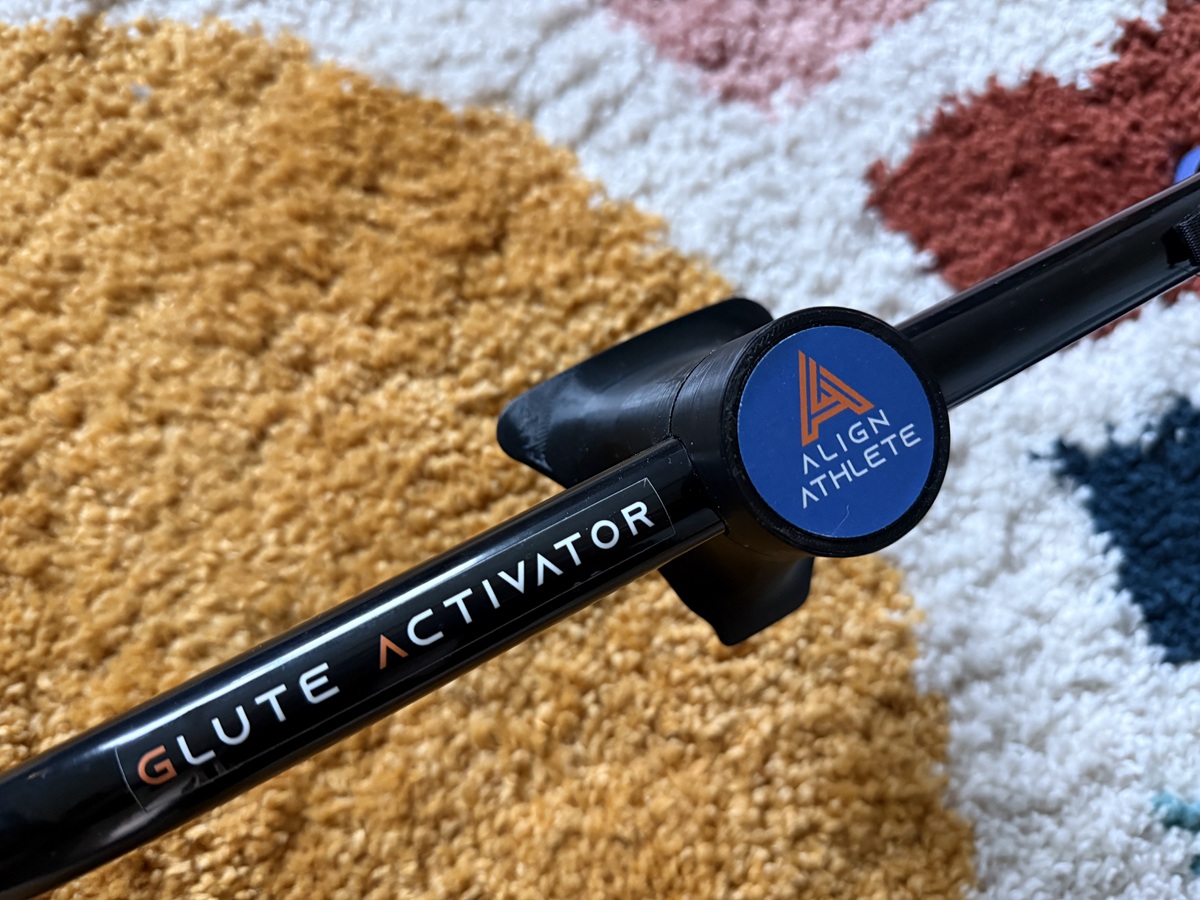 Could this relatively simple device really make a difference in something I’d been battling for months?
As any injured runner knows, when you’re in the middle of an injury that refuses to go away, you’re willing to explore just about anything!
I was dealing with months of glute tendinopathy, and despite all my years of coaching, physical therapy, strength training, and knowing what I SHOULD be doing, I was still struggling with daily discomfort.
Thank goodness I said yes because this turned out to be a turning point in my recovery.
The Glute Activator was helpful on its own, but the biggest improvement came when I started combining it with the pelvic alignment movements from Mark’s videos.
After the first day, I noticed a significant decrease in my discomfort. And here’s my 100% honest feedback: the nagging glute medius pain that had hovered around a 2 to 3 out of 10 for nearly an entire year dropped to ZERO.
For the last couple of months of consistently using the device and doing the alignment movements, that particular pain has stayed at zero. And the SI joint flare-ups I was having once a month have not reappeared.
I’ve used chiropractic care for years when my IT band starts flaring up and often experienced immediate relief after treatment. What I’ve always wanted was something I could do myself, rather than relying on an appointment whenever things felt off.
Well…now it seems like I have that tool.
Does that mean this is a miracle treatment for glute tendinopathy? Nope. But I think there’s an interesting approach here that’s worth understanding, especially for anyone dealing with recurring hip, glute, SI joint, and lower back discomfort.
Who is it Good For?
- Runners dealing with recurring lower back, hip, or glute tightness
- Anyone who spends hours sitting and feels stiff when they stand up
- People who find manual therapy helpful but want something they can use at home
- Those looking for a quick way to prepare their hips and glutes before running or strength training
One thing many folks will appreciate is that you don’t need to be crazy flexible to use it. The design allows you to apply traction without getting into some ridiculous position.
I also want to be clear that this isn’t a replacement for a proper running warm-up or rehabilitation program. It’s an additional tool that may help you move more comfortably. Which is why they also have a full Lower Back Program, and he provides a lot of videos on identifying weakness or additional alignment issues on his YouTube.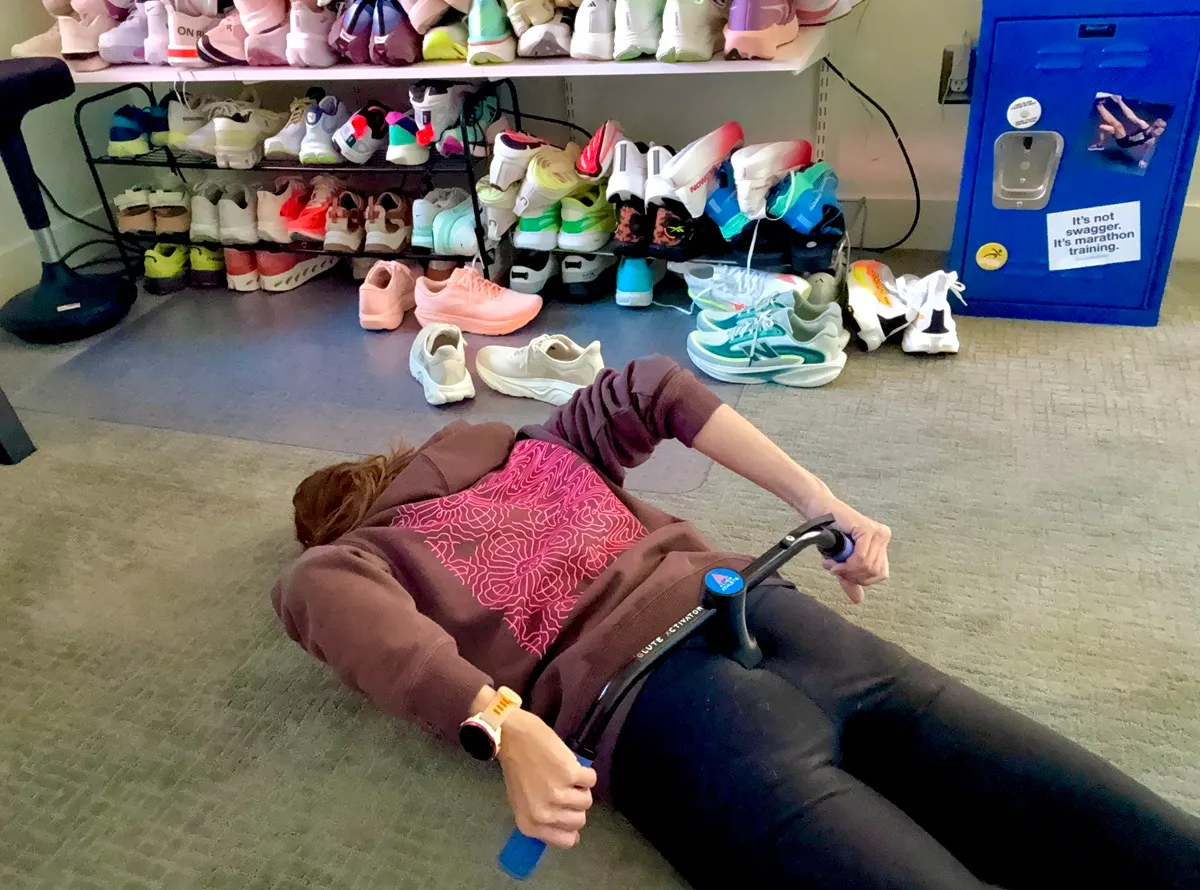
Glute Activator Specs
- Type: Sacral Traction Device
- Session Duration: Approximately 60 seconds (3-5 minutes if adding other moves from his videos)
- Power Source: None
- App Required: None
- Materials: Steel bar, rubber grips, and polymer components
- Creator: Mark Thiesmeyer, certified exercise physiologist
- Available on alignathlete.com for $200 (on sale for $150)
Quick Take
- Takes about a minute once you’ve learned the correct placement
- Easy to use before running or after sitting
- Doesn’t require a lot of flexibility
- No apps, charging, or complicated settings
- Can be incorporated into an existing mobility routine
- Allows you to do gentle traction on your own
- Finding the correct placement takes a little practice
- Price is high for a relatively simple device
- You need to use it consistently to assess whether it’s helping
- Additional instruction is important to get the most from it
- Independent research on this specific device is limited
How Does the Glute Activator Work?
All right, let’s talk about a little anatomy because that’s the whole reason this thing is useful!
Your sacrum is the triangular bone at the base of your spine, sitting between your two hip bones. It connects to the pelvis through the sacroiliac joints, which you’ve probably heard called the SI joints.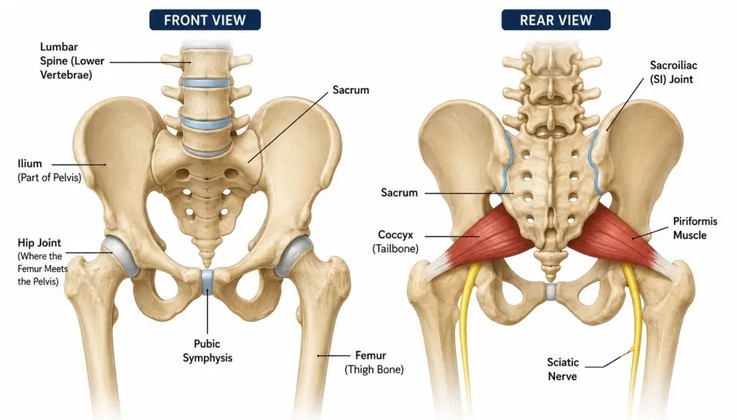
This area plays an important role in transferring force between your upper and lower body.
For runners, that’s a pretty big deal. Every stride requires your hips, pelvis, lower back, and glute muscles to work together as you absorb force and push off the ground.
When something around this area becomes irritated or restricted, you may notice discomfort in your lower back, buttocks, or hips.
Spending hours sitting can also contribute to stiffness, especially when you’re not getting much movement throughout the day.
Align Athlete’s approach is based on applying gentle, targeted traction to the sacrum, with the goal of reducing tension and helping the surrounding muscles engage more comfortably.
What Is Sacral Traction?
Unlike a foam roller or massage gun that applies pressure directly to the muscles, the Glute Activator uses a specific position and gentle traction around the sacrum. We aren’t massaging a muscle; we’re allowing your body to reset to its natural position.
Mark describes the process as helping align the sacrum and prepare the glutes to activate properly during running, walking, or strength training.
And I wouldn’t go so far as to say that your sacrum has been pushed out of place by sitting. The SI joints are naturally quite stable, and there’s a lot more going on with back and hip pain than one bone being slightly misaligned.
However, changes in muscle tension, pain sensitivity, and movement around the pelvis can influence how comfortable an activity feels.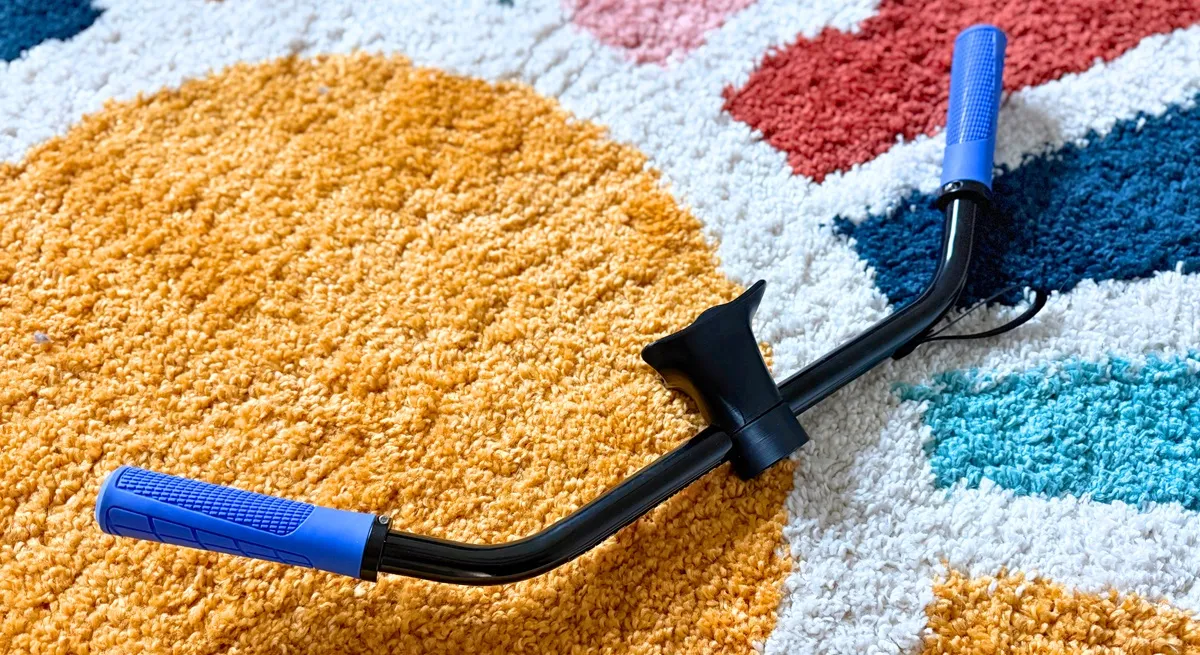
Is There Research Behind Sacral Alignment and Mobility?
You know I love getting into the research; it’s the reason I started a whole podcast with someone who digs in even deeper than I do!! So yes, there’s some useful research supporting manual therapy and targeted exercise for people dealing with sacroiliac joint dysfunction.
A 2025 research review published in the Journal of Sport Rehabilitation examined exercise therapy, manual manipulation, and combinations of the two for SI joint dysfunction.
The researchers found that these approaches could reduce pain and improve function. They also noted that while manual treatment may offer short-term relief, exercise or a combination of treatments could be more beneficial over the long term.
Which 100% holds up to my experience and what Mark preaches as well. You gotta do the strength work.
And an earlier 2017 systematic review of physiotherapy interventions found that exercise and manual therapies could help reduce pain and disability associated with SI joint dysfunction, although the quality of the included studies varied.
So what does all this mean?
There’s research supporting the broader idea that mobility work and targeted exercises can help with certain types of pelvic and lower back discomfort.
What we don’t have is a clinical trial showing that this specific Glute Activator produces those same results or that it corrects a particular pelvic alignment problem.
Also, these studies focus on SI joint dysfunction; we’re looking at this to help resolve things like glute tendinopathy and the biggest American issue: lower back pain. It’s the same principle being applied in all situations.
How to Use the Glute Activator
I’ll admit that there was an initial learning curve with getting the device positioned correctly (like 5 minutes).
The tool itself isn’t complicated, but placement matters, so I’d absolutely recommend watching Mark’s instructional videos rather than assuming you know exactly where it should go. The device comes with a QR code that leads right to the videos, so no guessing needed.
You’re using the device to apply gentle traction around the sacrum. This isn’t about digging into a trigger point or creating an aggressive stretch.
The basic process is pretty simple:
- Position the Glute Activator as demonstrated in the instructional videos.
- Settle into the recommended position and allow the gentle traction to work without forcing anything.
- After approximately 60 seconds, you’re done, tada.
It’s really useful before running and after I’ve been sitting at my desk for far too long.
Both are times when I might feel tighter or want to ensure that my body is in optimal alignment. From Mark’s testing with athletes in office, their running and lifting immediately felt better because the body was properly aligned.
For me, I’m just stoked this nagging glute has disappeared! I’m not even worried about whether I feel stronger; I just feel unencumbered.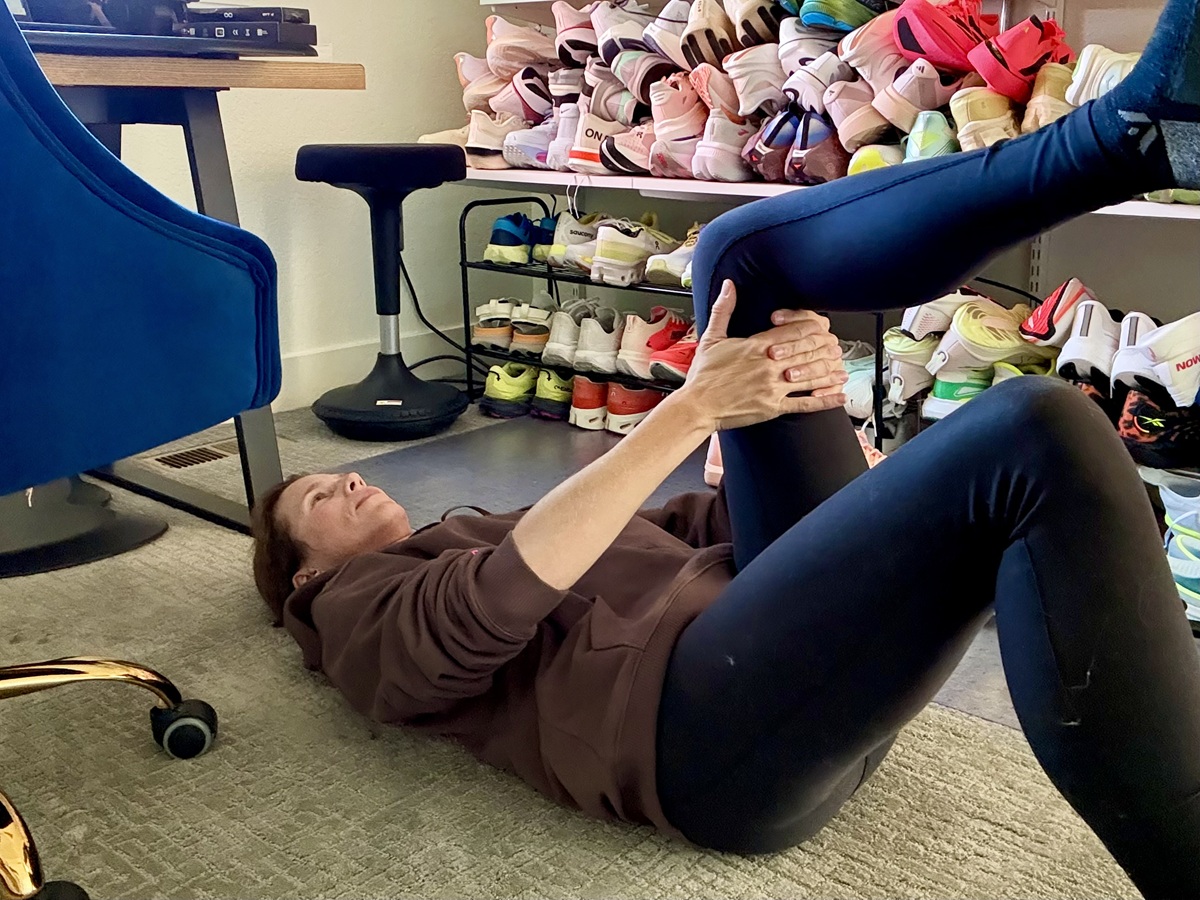
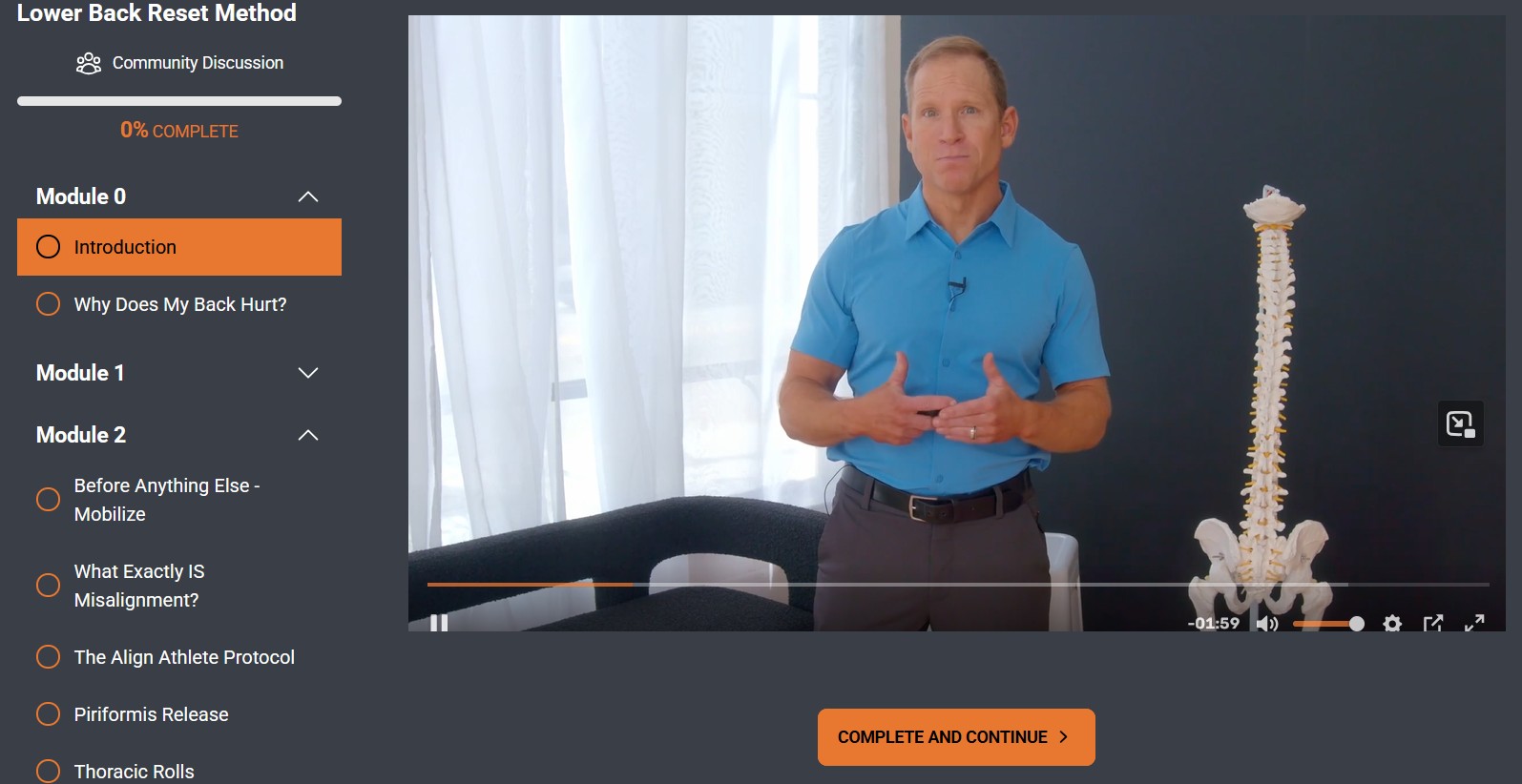
Align Athlete Lower Back Reset Course
Ok, my focus here is really on the Glute Activator, and it’s 100% a stand-alone option, but I think that for many of you the additional tools in the course are going to be extremely important.
It’s about that extra step of figuring out where you’re tight (my QL was pulling my pelvis and without stretching it I don’t think I’d have had such quick results with the Activator).
It’s got over 3.5 hours of educational videos; no worries, these are broken up, and in the end again you’ll have a couple minutes a day worth of the movements appropriate for you.
- Identify movement restrictions
- Get mobilized
- Alignment exercises
- Strengthening – YES!!
My Experience With the Glute Activator and Alignment Exercises
I mean I kind of spoiled it at the start by telling you my pain when to zero, so I think you might guess my experience. But to give a little more context, I’d been dealing with some deep glute discomfort for months and I was doing A LOT OF PT, I was pulling back on mileage, really all the things that should have helped it to resolve.
But my body wasn’t in alignment, so every move was overtaxing the area.
If you’ve dealt with a lingering injury, you know that even a low level of discomfort starts to wear on you when it’s constantly hanging around.
The First Day I Noticed a Difference
Initially, I started using the Glute Activator on its own and found that it was helpful, but not a slam dunk.
Then I added some of the pelvic alignment movements Mark demonstrated in his videos. And THAT was when things really changed.
After the very first day, I had a noticeable decrease in my glute discomfort. And then that nagging glute medius pain that had been hovering at a 2 or 3 out of 10 dropped to ZERO. That’s been the case for months now.
I’ve had it climb back up to a 1-2 when the PT and I push too hard with new strength, but then quickly reset instead of going back to a lingering thing.
This TOTALLY Made Sense to Me
Although I was surprised by the improvement, I’ve experienced something similar over the years when working with a chiropractor. When my IT band would flare up, I often found that a quick chiro visit to realign my rotated hips provided immediate and lasting relief.
Now, that doesn’t necessarily mean my pelvis had physically shifted out of place. There are multiple reasons why hands-on treatment and movement can change how something feels.
But I knew from experience that working around my lower back and pelvis could influence my symptoms.
The big difference here was being able to do something on my own.
I’ve always believed that the best recovery tools are the ones you can use consistently rather than only when you manage to get an appointment.
And Mark has a similar philosophy.
He’s spent more than 25 years working with movement and rehabilitation, and he’s passionate about giving people tools to manage discomfort beyond the clinic.
As a running coach, I completely understand that motivation. I want to help every runner I can, but I also want them to understand how to make good decisions and take care of their bodies without needing me for every little thing.
The Glute Activator is convenient and was helpful on its own, but the additional exercises were what made the biggest difference in my symptoms.
If you’re considering the device, I’d absolutely take the time to learn the correct placement and how Mark recommends incorporating it into your routine. At $200, it’s not a cheap tool, so don’t shortchange it by skipping over the added value he provides.
And if you want a broader program focused on mobility, movement assessments, and strength, the Lower Back Reset Course offers additional education.



 Best Hoka Running Shoes Review | Complete Comparisons
Leave a Reply