

If you’ve looked through our shoe reviews, you’ve probably noticed we almost always include a photo of the outsole. That’s not just to show off the color or design, it’s so you can see the tread pattern and, for trail shoes, the lugs. Not sure what lugs are? Here’s everything you need to know about trail shoe lugs.

Have you ever thrown on a pair of trail running shoes, headed out the door, and immediately thought, why does this feel so crunchy?
Chances are, you grabbed a shoe with deeper trail lugs than you actually needed.
Trail shoe lugs are designed with specific purposes in mind; there’s no one-size-fits-every-run. The type of terrain you’re running on plays a huge role in how a shoe will feel underfoot.
Before you lace up and head out, here are a few things you should know about trail shoe lugs.
Trail Shoe Lugs Overview
It’s one thing to talk about how a shoe feels on your foot, and another to talk about whether it’s actually going to support you while you run. Trail shoe lug design isn’t just decoration; it’s functional, and it matters.
So how do you decide which grip you need before you head out the door? Start by asking yourself a few simple questions:
- What type of terrain am I running on today?
- Are the trails going to be wet, muddy, or slick?
- Am I running on a mix of road and trail?
The answers will help you choose the right trail shoe, so your feet will thank you instead of leaving you uncomfortable….or flat on your butt. 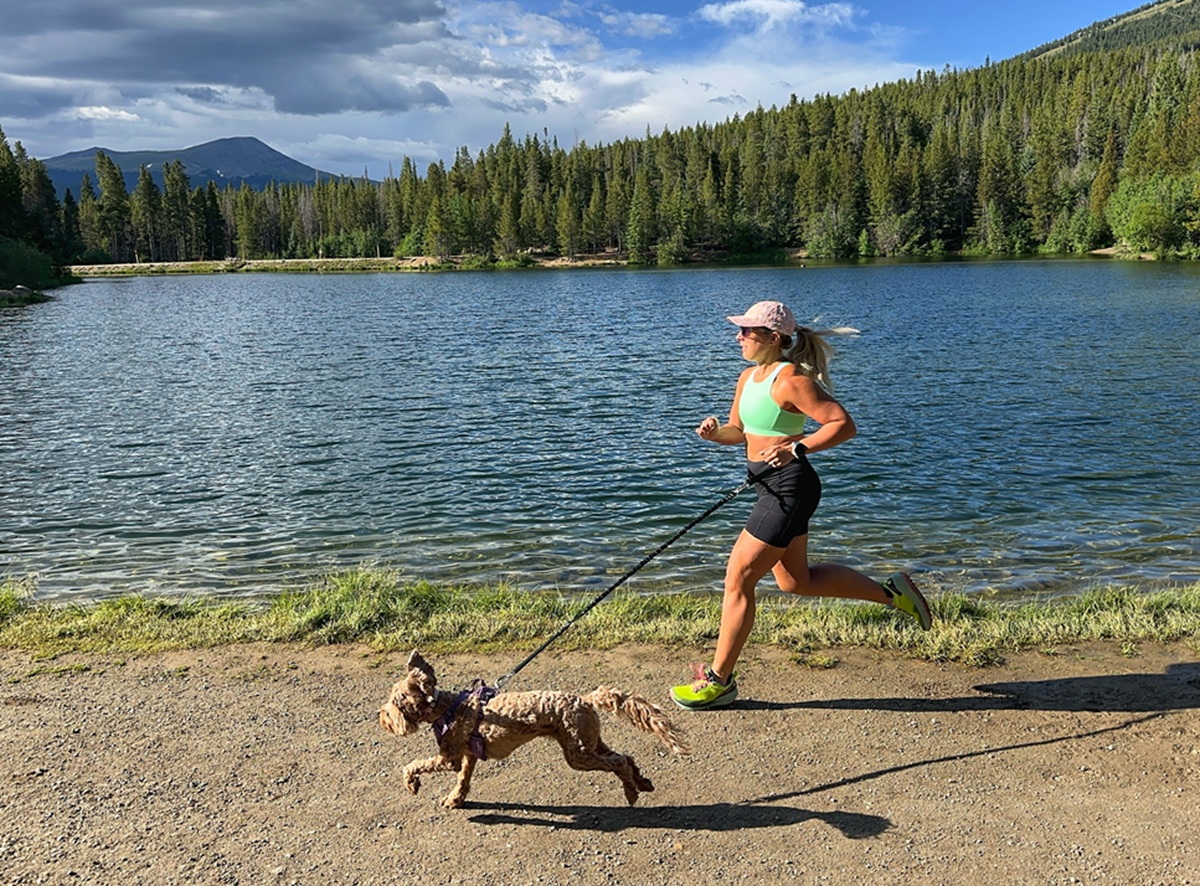
Most trail running shoes use a Vibram outsole. What this basically means is that the materials are designed to deliver durability, grip, and reliable performance regardless of the terrain. But there are varieties even to the grip because you want something different when dealing with slick wet rocks than big scrambles. Usually you won’t need to consider this, it’s baked in to the style of shoe you’re choosing.
We’ve all had that moment of putting on trail shoes and immediately noticing they feel heavier than road shoes.
That extra weight is intentional; trail shoes need more protection and traction to handle dirt, rocks, roots, and uneven surfaces.
Vibram continues to refine its outsole tech, but there are two versions you’ve probably seen a lot:
Vibram Megagrip is the most durable option and works well across just about any terrain. It’s the go-to choice for rugged trails where grip matters the most.
Vibram Litebase, on the other hand, is what you’ll often see in race-day trail shoes. It delivers the traction you need from the lugs, while weighing less, making it easier to pick up the pace when speed matters most.
Both serve a purpose; it just depends on where and how you plan to run.
Lug Depth
Lug depth can vary quite a bit across trail running shoes, but most will fall into one of two categories: short lugs (2-4mm) or deep lugs (5mm and up).
Short lugs 2 to 4mm
Road-to-trail shoes typically are where you’re going to find shorter lugs, and for good reason. They’re low-profile enough that you hardly notice them on pavement, but still give you the grip you need once you hit gravel or dirt.
These lugs work best on hard-packed trails and mixed terrain, offering reliable traction without that stiff, crunchy “trail shoe” feel underfoot.
Some examples of trail shoes with short lugs are: Brooks Ghost Trail at 3mm or Altra Experience Wild at 3.5mm
Deep Lugs 5mm+
With deeper lugs, you’re more likely to notice that crunchy feeling if you wear them on roads or sidewalks. These lugs are best suited for technical trails, especially when you’re dealing with mud, snow, or softer terrain.
They’re built for wet, messy, and uneven conditions where you really want that extra grip.
Some examples of trail shoes with deep lugs are: Salomon Speedcross at 5.8mm or Saucony Peregrine ST at 6.5mm 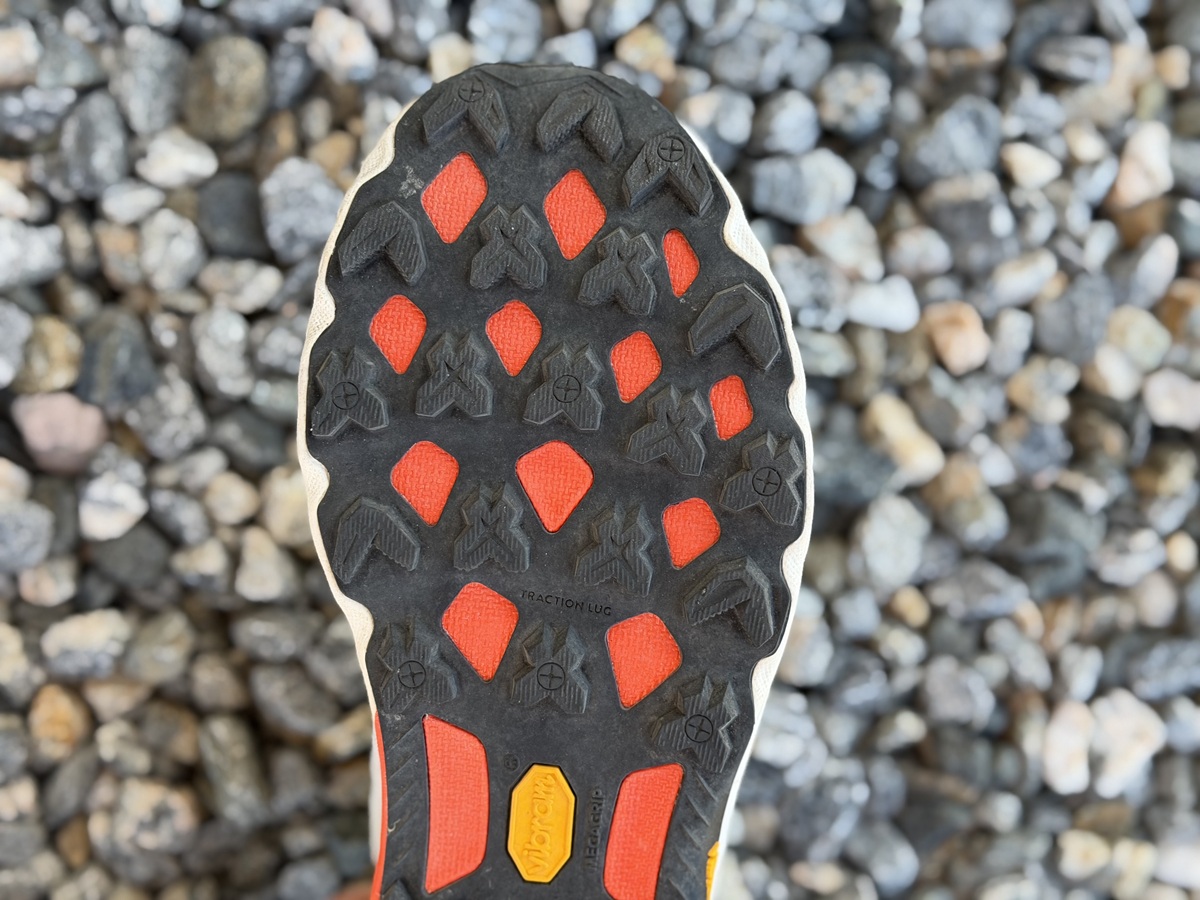
Lug Design
Sure, it’s always fun when brands add little details to the bottom of a shoe, like pizza-slice lugs on the Hoka Mafate, smiley faces, you name it. But there’s actually a lot more going on than just something that looks cool. 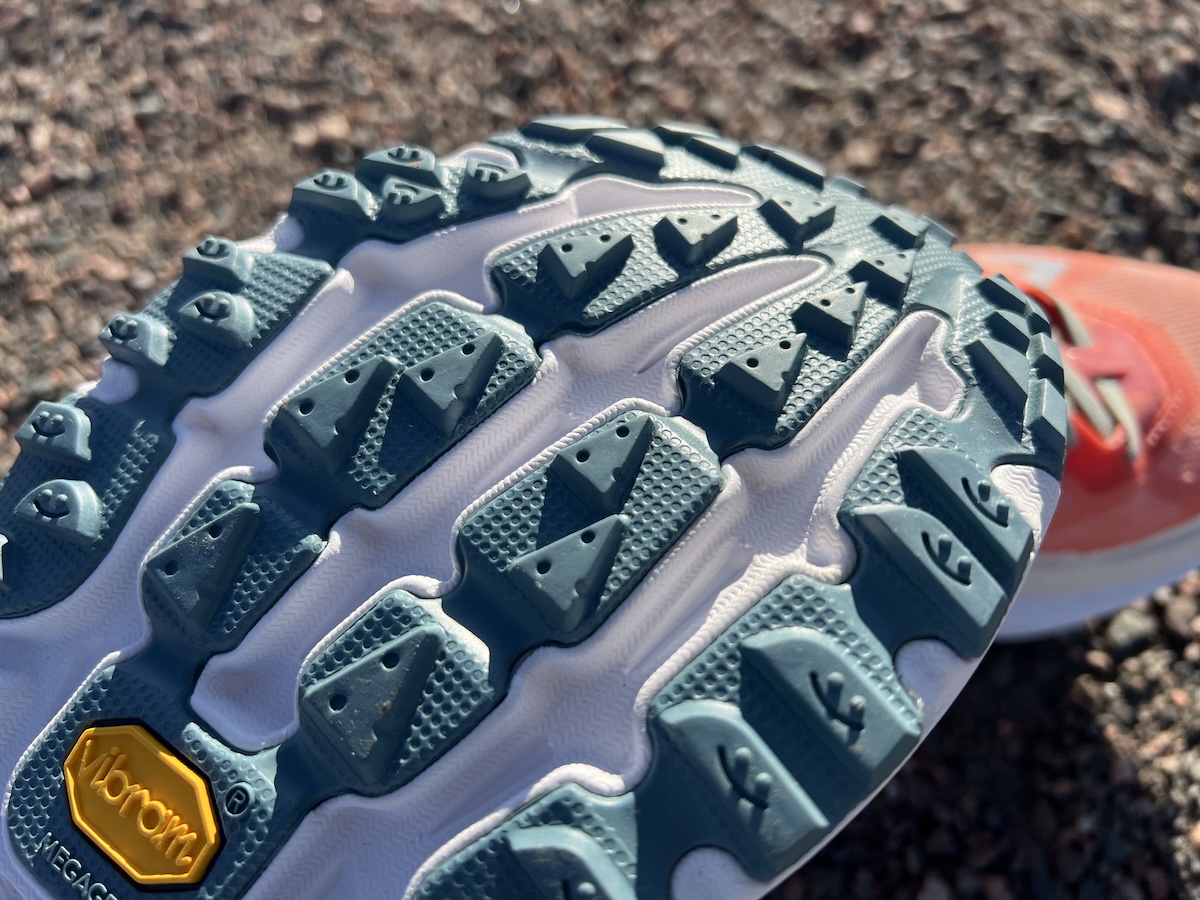
Lug shape and placement play a big role in grip and stability. When you’re running on trails, you want a shoe that works with you, not against you.
The goal is confidence underfoot, not twisted ankles or an unexpected face-plant into the mud.
Shape and Spacing
- Angled Lugs: think of these like teeth, they’re going to grip into softer, muddy surfaces
- Flatter or rounded lugs: extra grip, especially with slippery surfaces and water crossings
- Y-Shaped Lugs: help to prevent mud and other debris from getting stuck under your shoes
Direction
- Uphill Lugs: located at the forefoot, the lugs are forward-facing to help you gain traction when climbing
- Downhill Lugs: located at the heel, the lugs are typically backward-facing to act like a brake as you go downhill or find yourself on a steep part of a trail
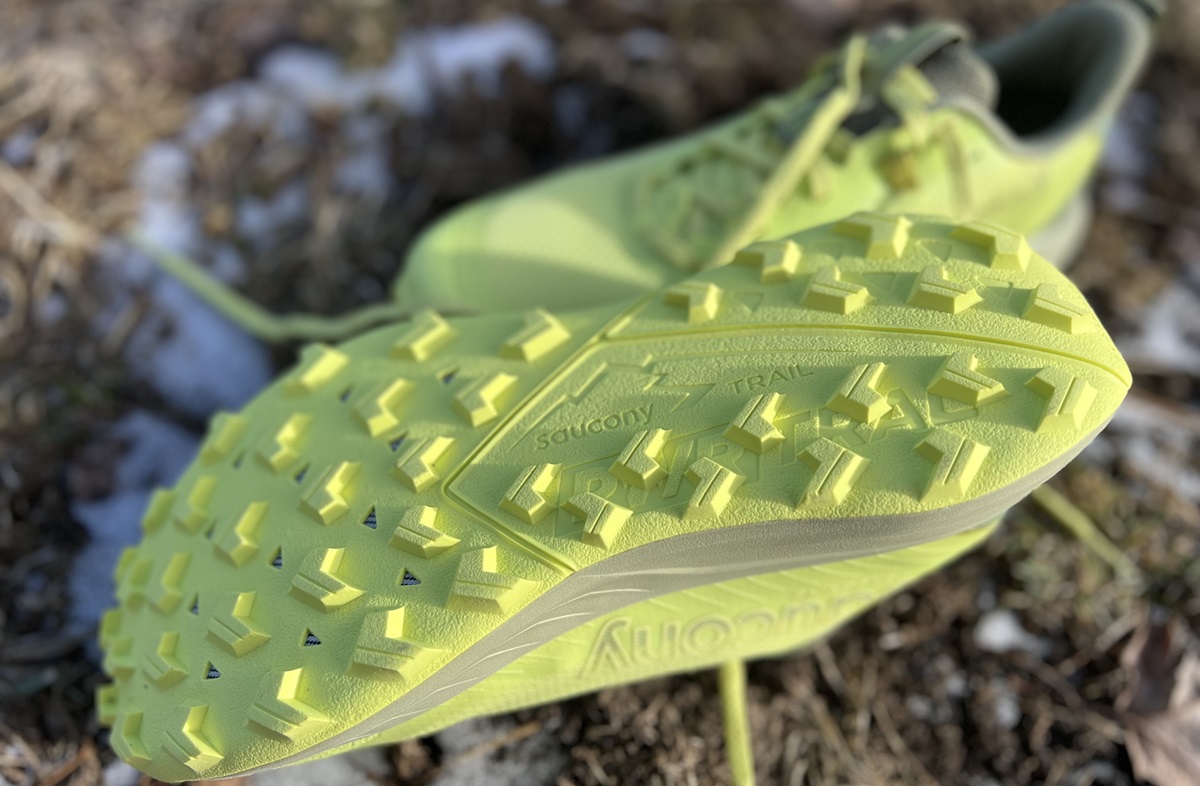
As you can see, there’s actually a lot more going on with those little pieces of rubber on the bottom of your shoe than you might think.
Hopefully, this helped clear up what you need to know about trail shoe lugs and makes it a little easier to choose the right pair for your next run.
And of course, if you’re in need of a pair, checkout all the trail running shoes we’ve reviewed to help you narrow it down!
What to read next?
- Suunto Vertical 2 Review | Ready for Adventures Well Beyond a Trail Run
- Why These 9 Cushioned Trail Running Shoes Are Worth Every Penny
- 8 Best Road to Trail Running Shoes for Runners Who Go Everywhere



 Asics GlideRide Max 2 Review | Is it the Ultimate Heel Striker Daily Trainer?