

You may have heard us mention the heel cup in some of our shoe reviews. If you’re wondering what the heck that is, don’t worry, you’re not alone. Let’s break it down and talk about why the heel cup can actually make a big difference in how a shoe fits and feels. 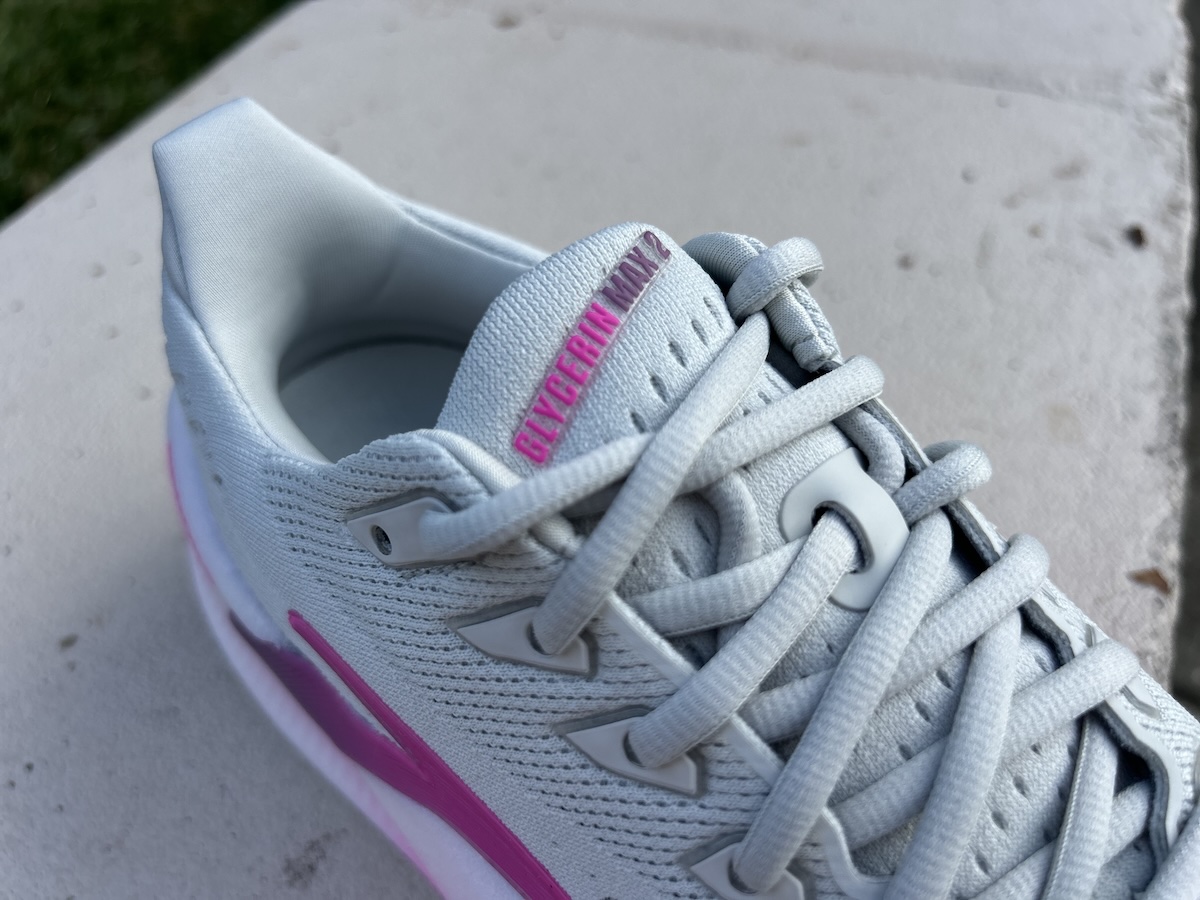 We mostly think about the heel cup in terms of our foot pulling out, creating blisters or needing to do a heel lock lacing pattern. But the heel cup and heel counter are more than just some padding; they contribute a lot to the fit, comfort, and function of the shoe.
Every running shoe has its own version of a heel cup, and the design can vary quite a bit from brand to brand.
Interestingly, most brands haven’t given this part of the shoe fancy marketing names, even though it plays a pretty important role in the overall fit.
When you think about how your foot moves while running (or even walking), it makes sense. If the shoe doesn’t hold your heel in place properly, other parts of your body will eventually let you know.
What is a Heel Cup?
Research has found that heel cups can help reduce the impact your heel takes with each step. Instead of all of the pressure landing in one small spot, the heel cup helps spread it out across your heel vs just on the bone.
Do I have your attention now?
The heel cup is the back part of a shoe that wraps around your heel, including the heel counter. It’s designed to match the natural shape of your heel and help keep your foot secure inside the shoe.
You don’t want it to feel too loose or too tight. When you put on your running shoes, the heel cup should do exactly what its name suggests: cup around your heel and hold it in place while you run or walk.
While the image below here shows a heel cup insert, it’s just a helpful way to visualize where this part of the shoe is and what it’s meant to do.
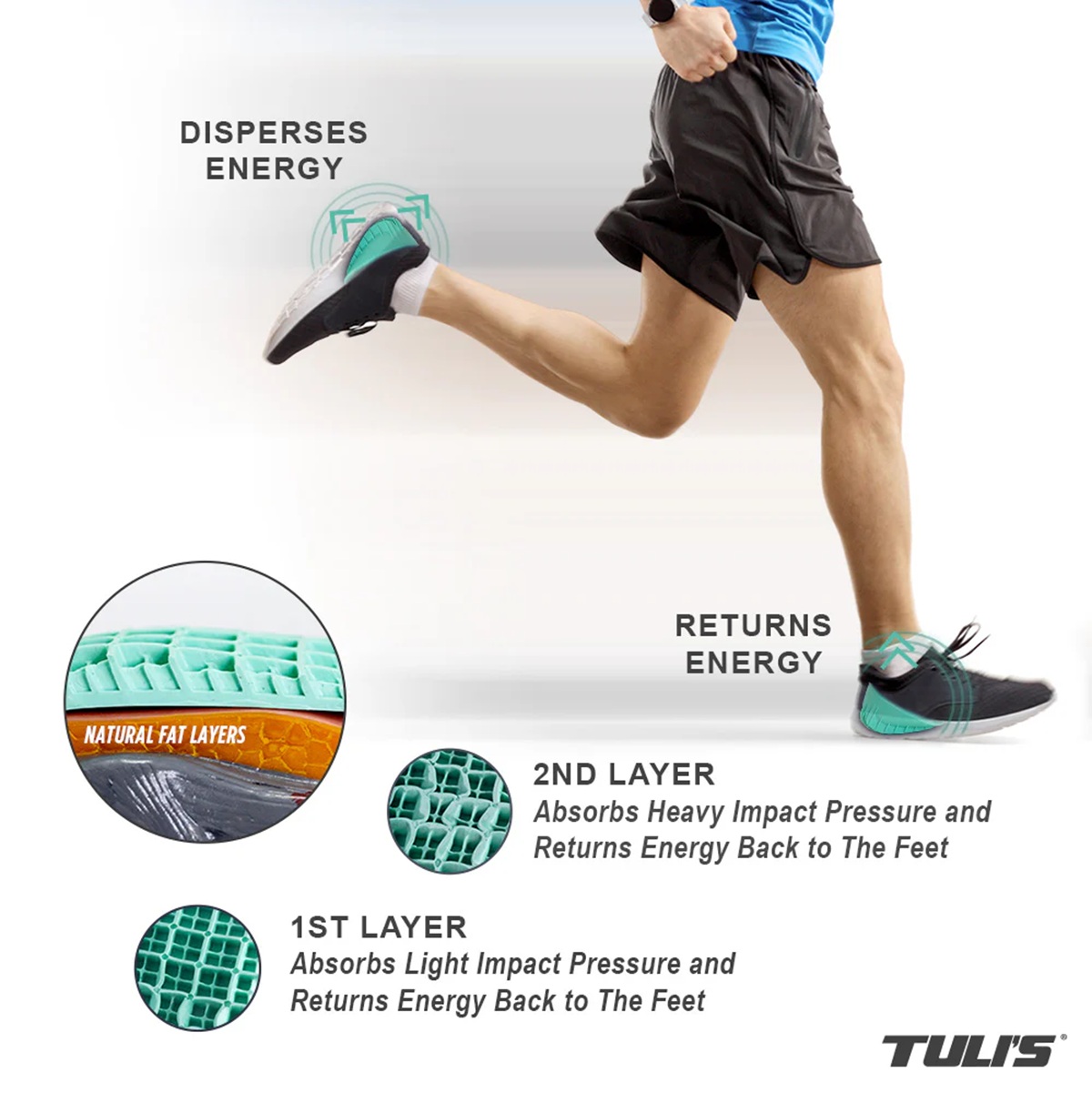
This all means that the heel cup helps to cradle or cup your heel and soften your landing a bit. This small design detail can make a shoe feel more comfortable, especially when you’re walking or running for longer periods of time.
The heel area should feel comfortable and secure from the start. If it doesn’t, there’s a good chance you’ll end up dealing with heel slipping, blisters, or other issues down the road.
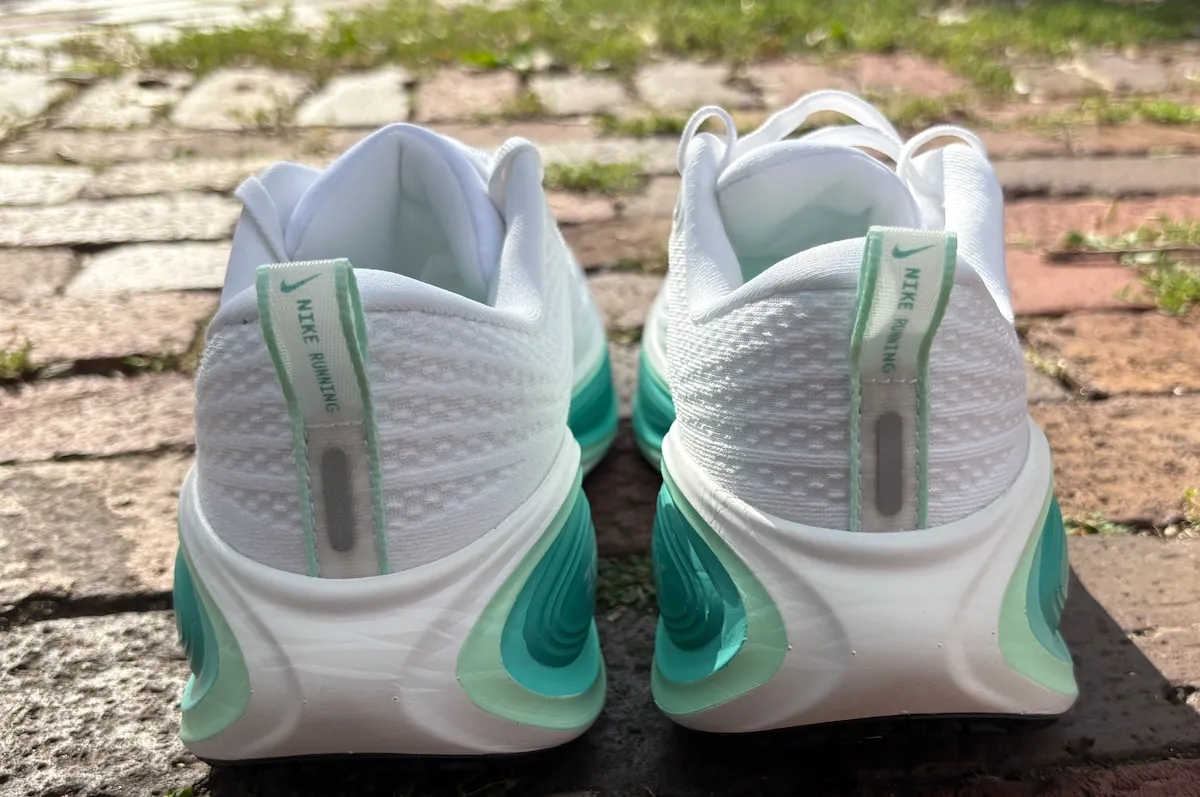 Always ask yourself: Is this shoe comfortable, and does it give my foot the support it needs?
Heel Cup vs. Heel Counter: Comfort vs. Control
An important component of the heel cup is the heel counter.
The easiest way to think about these two features: the heel cup is about comfort and positioning, while the heel counter is about control.
The heel cup is the shaped, concave pocket where your heel actually sits. It cradles your heel bone, centers it on the footbed, and softens impact. It’s what makes a shoe feel like it was made for your foot rather than just around it.
The heel counter is a different animal.
It’s a semi-rigid plastic or composite insert molded into the heel collar of the upper, and its job is structural; keeping your heel from slipping up and down inside the shoe and resisting the inward collapse that overpronators deal with on every single stride.
This distinction becomes especially important when you’re shopping for stability running shoes. A firmer, more structured heel counter works in tandem with the medial post or guide rails in the midsole to control rearfoot motion. What most runners don’t realize is that without that firmness at the heel, those stability components in the midsole are actually doing less work than they should be. Your foot needs to be held in place for the support features underneath it to do their job.
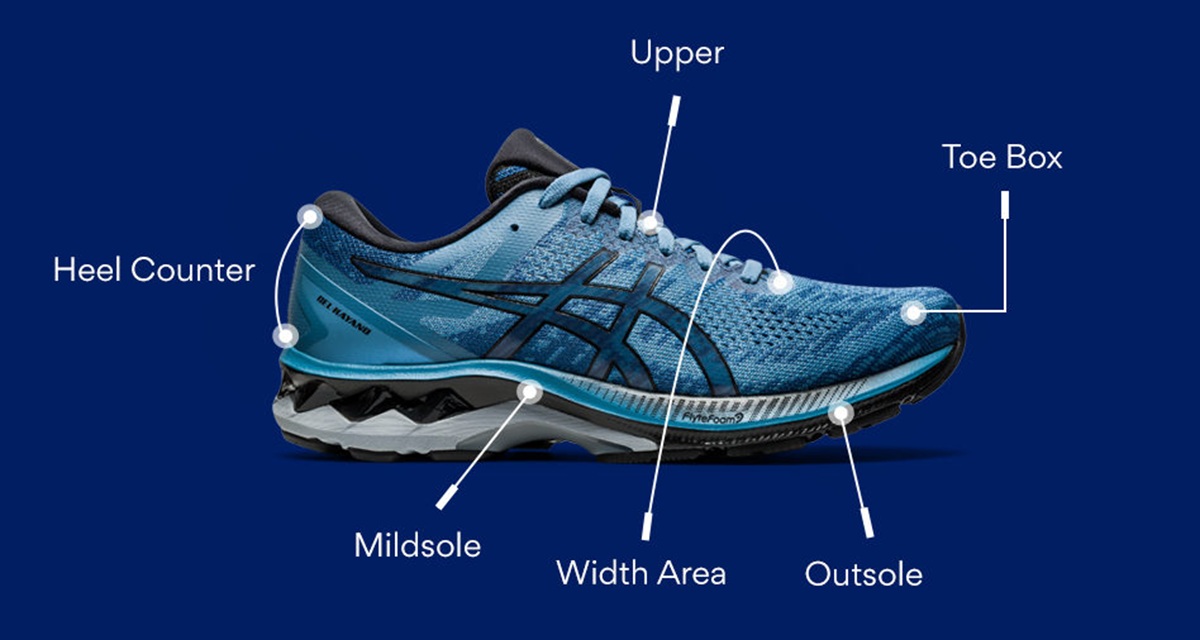
There are a few different types of heel counters, but the two most common are internal heel counters (like what you’d find in a pair of New Balance Rebel) or external heel counters (like what you’d find in a pair of ASICS Gel Kayano).
That said, regardless of the type, if the heel counter is too stiff, it can create some issues, especially if you’re already dealing with Achilles irritation.
A firmer heel counter can press into the back of your heel, which may add extra pressure to an already sensitive area. And if your Achiless is already inflamed, that added pressure can make things feel even worse. In this case, you’d want to look for shoes with a soft/flexible heel counter like the Altra Escalante, Topo Cyclone or Saucony Endorphin Pro.
Some brands have even started removing heel counters entirely, as seen in shoes like the ASICS Metaspeed Sky, to save weight and create a snappier, faster feel. That tradeoff? A little less structure around the heel.
How the Heel Cup Impacts Performance
Absolutely, yes, the heel cup matters, and there’s research to support it.
In this study, researchers looked at different parts of a running shoe, including the insole, midsole, and heel cup, to see which one had the biggest impact on heel pressure when your foot hits the ground.
The result? The heel cup made the biggest difference. It was found to be one of the most important design features for reducing pressure on the heel.
When the heel cup better matches the natural shape of your heel, it helps cradle the foot and spread out the force of each step. That support can help guide your landing and make your stride feel a little more stable.
But if the heel cup doesn’t fit right or doesn’t offer enough support, you’ll usually feel it pretty quickly.
A slipping or poorly supported heel can make a shoe uncomfortable and may cause other parts of your body to compensate as you run. This may cause some heel pain or other injuries down the line.
Heel Cup in Men’s Vs. Women’s Shoes
One of the key differences in men’s vs women’s running shoes is the design of the heel counter.
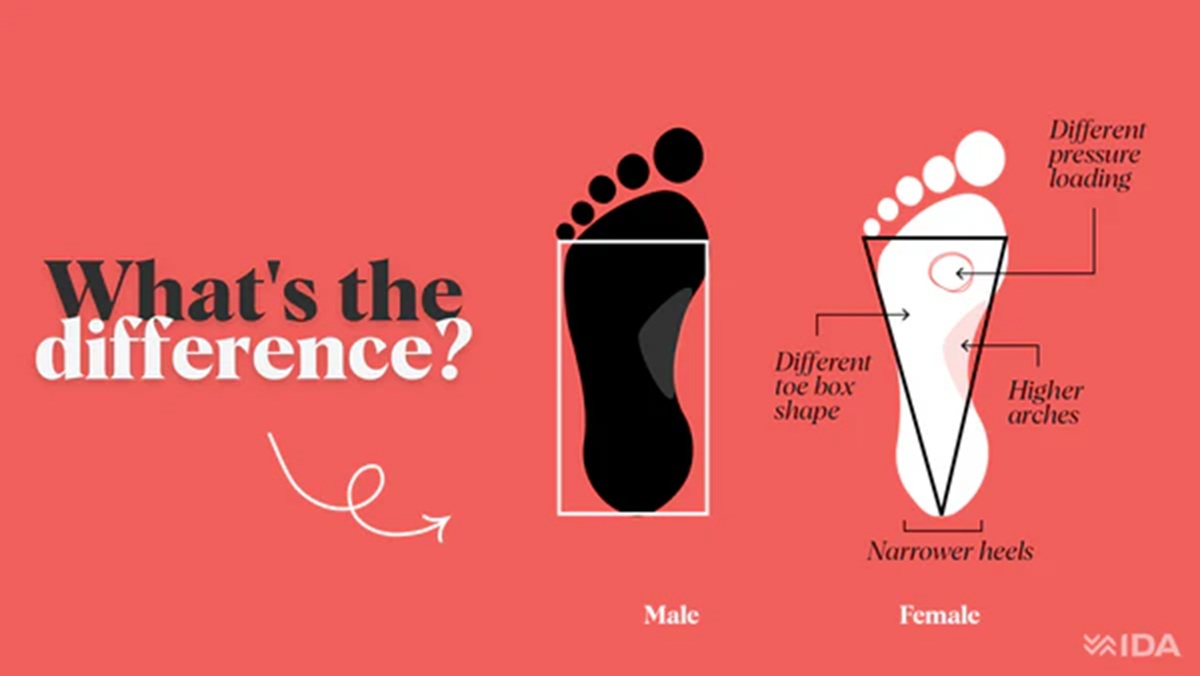
Women’s running shoes are typically designed with a narrower fit to better match the foot and its biomechanics (such as the Q-angle). You’ll usually notice this most in the heel cup and midfoot, where the shoe feels a bit snugger and more secure.
If you try on a men’s running shoes, you might notice your heel doesn’t feel as locked in and may move around more. That’s because men’s shoes are generally built with a wider heel cup, which can change how secure the fit feels.
What About Heel Cup Inserts?
If you’re not loving the fit or feel of the heel cup built into your shoe, you can try an insert.
Some inserts are designed to help the heel of the shoe fit a little better, while others are meant to add cushioning for runners dealing with heel discomfort.
Just like with any change to your running gear, it’s important to ease into it. If you add an insert and suddenly start doing all your usual miles right away, your body may let you know it’s not too thrilled about the change.
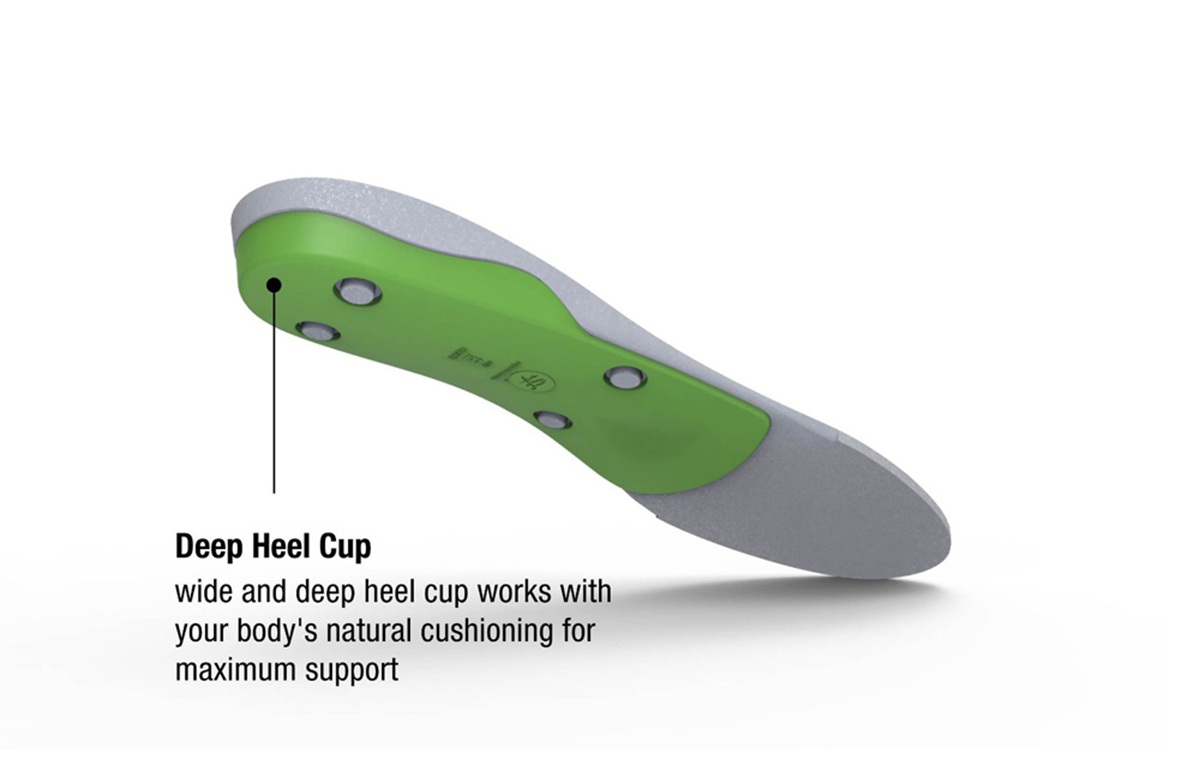
At the end of the day, though, a heel cup insert isn’t going to magically fix a shoe that doesn’t fit well.
In most cases, we’d still recommend trying a different shoe until you find one that truly feels like the perfect Cinderella slipper fit.
We hope that this information about a heel cup was helpful! Have other shoe technology or design features you want us to explain? Let us know below.
Looking for what to read next?
- Running Shoe Rocker Explained: Why These Curved Soles Are Everywhere Now
- Are Max Cushioned Shoes Bad For Us?
- Understanding Heel Bevel: Why This Tiny Detail Changes Everything



 Mizuno Neo Accera Is More than Flashy Looks For Cushioned Trail Speed
Leave a Reply