

Walking 2 miles a day is a great goal that’s easy enough to aim for yet offers a wide range of health benefits. Walking is an excellent way to increase fitness and activity levels, whether your goal is to lose weight, improve your health, or recover from an injury.

Aiming to walk 2 miles per day is a healthy and achievable target, even if you don’t currently exercise regularly. And if you are already currently walking one mile per day, it is quite simple to increase your time on feet.
If you’re looking to build a habit and start walking daily, you’re in the right place! We’ll go over everything you need to know about walking 2 miles a day, including tips on how to start, the amount of time it’ll take you to walk that far, and some of the benefits!
How to Start Walking 2 Miles a Day
If you’ve decided to start walking 2 miles a day, then you’ll be happy to know that it’s incredibly easy to get going! Here are a few important tips to help you get started today:
1. Wear the Right Shoes
To avoid discomfort and maximize support while walking, it is just as important to wear the right shoes as it is when running.
If you intend to walk long distances, it is highly recommended that you purchase a good pair of walking shoes. You can wear running shoes, trail running shoes, or athletic walking shoes.
Long-distance walking calls for shoes with more support and cushioning to keep your feet from getting tired and sore.

Don’t simply grab any old pair of running sneakers from the shelf or the back of your closet. Invest in a good pair that’s right for you.
You want something that is both comfortable and cushioned, as well as supportive. As you walk, your foot may roll inward or outward; therefore, the shoe’s support should accommodate that.
If you need a little extra room in your shoe, take a look at these walking shoes for wide feet. They’ll keep your feet comfortable and supported for many miles.
2. Maintain Good Walking Form
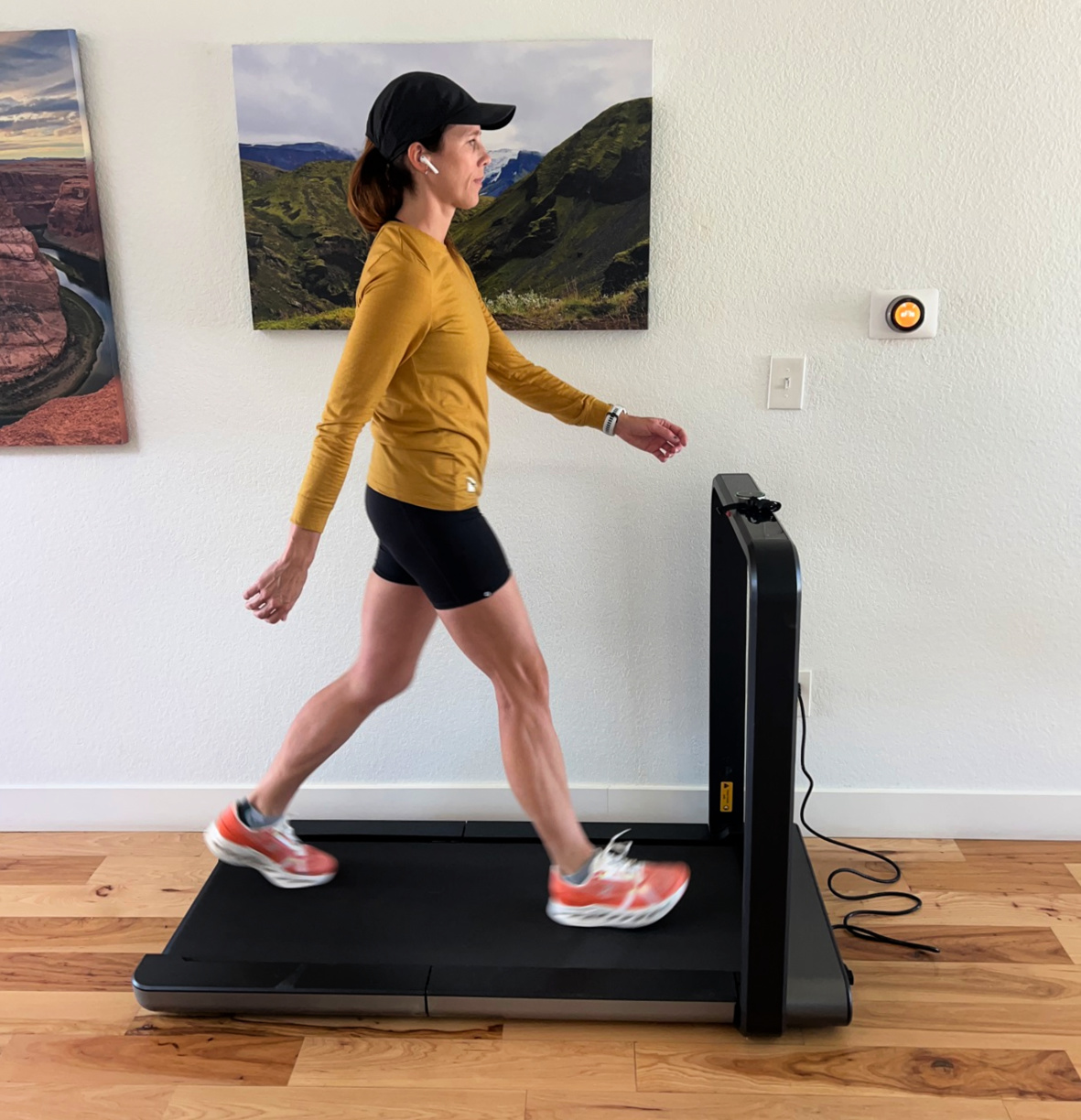
Walking makes use of more than simply the legs. To avoid hunching forward, keep your shoulders back and your chest high.
Maintain proper posture by pulling your abs in as you walk. Keep your arms free so you can swing them near to your side.
3. Remember to Hydrate
Staying hydrated is important during any physical activity, especially power walking. When you exercise, your body loses water through sweat, which can lead to dehydration if you don’t replenish your fluids.
Make sure to drink plenty of water before, during, and after your walk, to help regulate your body temperature and prevent dehydration.
I don’t love when people carry water bottles as they seem to stop pumping their arms. So consider the running belt or hydration pack.
4. Learn to Walk at a Variety of Paces
Start your walk slowly for 5–10 minutes, and then pick up the pace so that your heart rate goes up to 60% of your maximum heart rate.
If you plan to gradually work up to walking 5 miles a day or even 10 miles a day, it’s important to start pacing yourself and gradually increase your mileage. This will help build endurance and stamina in a sustainable way without injuries and excessive fatigue.
Remember that your risk of becoming exhausted, fatigued, and injured will increase if you walk too quickly. So take it slow and work your way up, especially if you haven’t been working out for a while or feel that your overall fitness levels are low currently.
#5 Walk in Safe and Well-lit Areas
When walking, it’s important to walk in safe, well-lit areas that are free from hazards or obstacles. Walk on sidewalks whenever possible, and cross at designated crosswalks or intersections.
If you’re walking in an area without sidewalks, walk facing traffic so you can see oncoming cars. Wear reflective clothing or accessories if walking at night, to help improve visibility. It’s also a good idea to carry a whistle or other alert device with you, in case of emergency.
There’s always the option of walking indoors on the treadmill or walking pad as well! You can easily change the pace and incline as you go to make it more interesting.
#6 Strength Train
Remember that walking is just one piece of the fitness and health puzzle. You MUST strength train.
Especially for women over 50, fitness requires strength training because we simply lose muscle mass so easily. And less muscle mass means an increased chance of injury, slower metabolism and changing body shape.
If you’re totally new to strength training, checkout our awesome 8 week bodyweight course. It’s going to give you videos for good form and more importantly a plan you can follow!!
#7 Find a Buddy
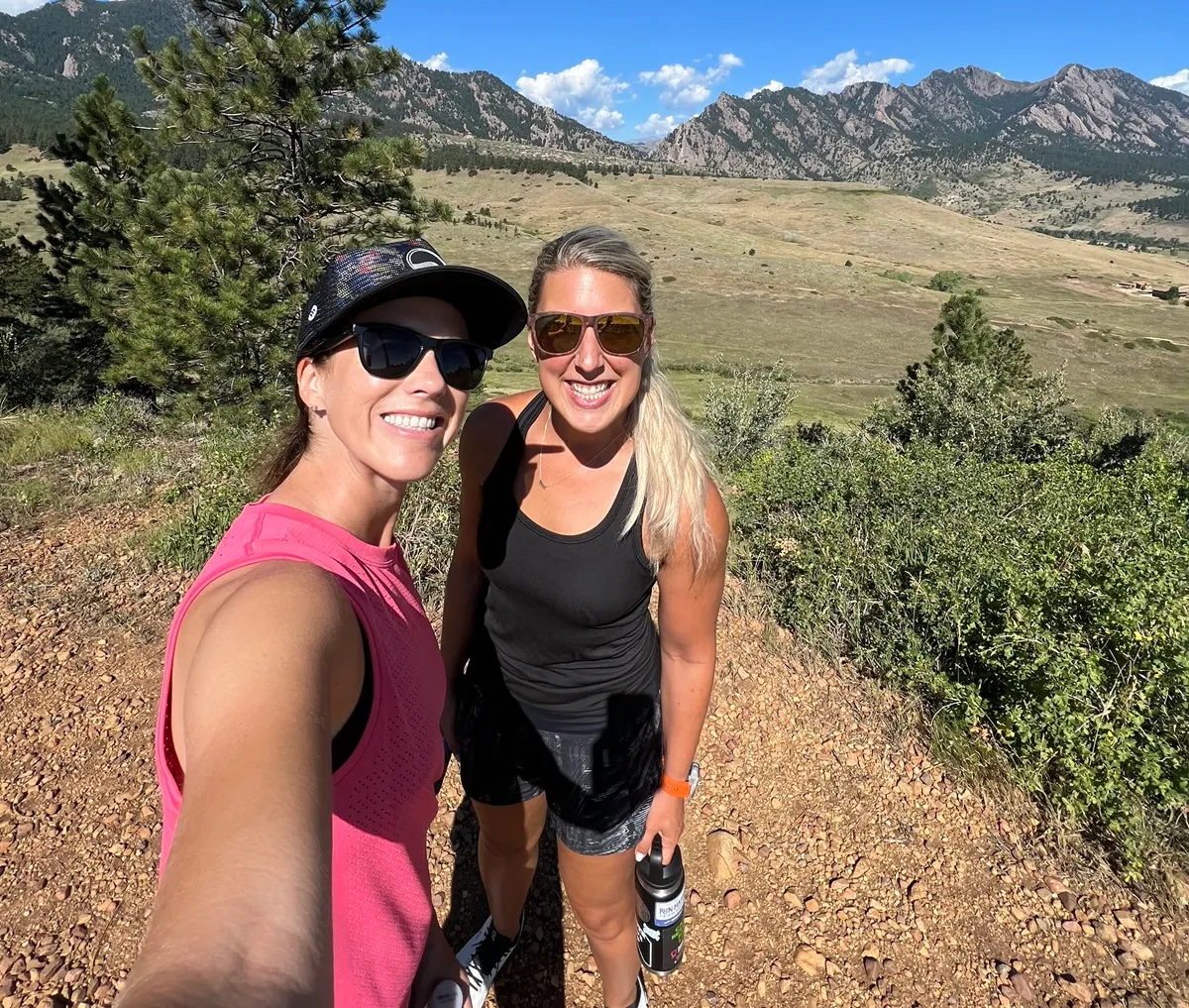
Want to stay consistent with your new routine? Don’t got it alone. Study after study shows that some accountability can go a long ways.
Walk and Talks are what I call this time with friends. Yup, even as a running coach this is how I plan get togethers. I generally prefer it to running with my friends because we’re less out of breath, ha!
How Long Does It Take to Walk 2 Miles A Day?
It’s not uncommon for people to ask ‘how long does it take to walk 2 miles a day?’, and unfortunately, there isn’t a clear-cut answer to that.
How long it takes is directly related to how fast you are walking. How fast you can walk depends on other factors such as your age, sex, weather, terrain and current fitness levels, amongst other things.
And so, if you were power walking it’ll take you less time to walk that far versus if you were, say, leisurely walking through a park or along a lake.
On average, it’ll take you anywhere from 30 to 45 minutes to walk 2 miles a day.
If you’re hiking on rough terrain with a lot of incline (hello everything in Colorado) it will take you longer to walk 2 miles than if you were walking on a smooth terrain such as a running track, road, or even a treadmill.
In the case of trails, remember that adding that incline and intensity is going to make for a great workout! So focus on the effort over the pace.
Benefits Of Walking 2 Miles A Day
Walking 2 miles a day is a great low-impact aerobic exercise that comes with a ton of benefits. Let’s look at the top 8 benefits of walking 2 miles a day:
1. Help You Get In Shape
Most people will walk 2 miles a day without realizing it, even if they are very busy and haven’t worked out in a long time.
But if you haven’t been active for a while, it can be hard to get started on an aggressive training plan that has you working out hard for an hour a day right away.
If you want to be able to handle longer and more intense exercise in the future, starting with something as simple as walking 2 miles per day can help you establish a consistent workout habit and build your fitness level.
2. Benefits Your Overall Health
Even though 2 miles of daily walking may not seem like much to improve your health, any amount of exercise helps. It has been shown that walking regularly can improve health indicators like blood pressure, cholesterol, blood sugar levels, and BMI.
3. Improves Your Cardiovascular Fitness
Physical fitness requires a strong cardiovascular system.
Your cardiovascular fitness, or ability to get oxygen to your working muscles, gets better when you do activities like walking and running.
When you walk regularly, your aerobic capacity goes up. This has direct and indirect benefits for your muscle endurance, strength, and flexibility.
4. Reduces Risk of Chronic Diseases
Walking is recommended by the American Diabetes Association to reduce blood sugar levels and the risk of developing type 2 diabetes.
One of the most-quoted studies on walking and health was published in The New England Journal of Medicine. It found that people who walked enough to meet physical activity guidelines had a 30% lower risk of cardiovascular events such as heart attack or stroke than those who didn’t walk regularly.
Overall, longer walks such as walking 2 miles a day are essential for disease prevention and can help with heart disease and other chronic illnesses.
5. Strengthens Your Muscles
Walking helps build strength in your hamstrings, glutes, quads, calves, abdominals, and back. Try power walking workouts to recruit more muscle fibers for a better workout.
Walking while pumping your arms actively not only helps strengthen your shoulders, chest, and upper back, but also increases the number of calories you burn by making your walks more of a full-body workout.

6. Slows Down Mental Decline
Walking and running are types of cardiovascular exercise. For this reason, they are the best way to slow the effects of aging on the body and brain.
By engaging in cardiovascular exercise on a consistent basis, one can slow the progression of conditions like Parkinson’s disease, dementia, and multiple sclerosis, and even reduce their severity.
7. Boosts Your Mood
One of the most effective ways to escape the stresses of modern life is to go for a long walk. It’s been scientifically proven to release the same “feel good” endorphins that you get from going for a run.
According to a number of studies, walking can also help reduce the negative effects of anxiety and depression providing a host of mental health benefits.
8. Helps Improve Balance and Posture
Walking is a weight-bearing exercise that strengthens and maintains bones, making it a great workout.
In addition to enhancing bone health, it also boosts muscle strength, coordination, and balance, all of which help you stay upright and reduce your risk of fractures from falls.
This is especially important for seniors to prevent balance issues that can occur from having fragile bones.
So, regardless of how you look at it, walking 2 miles a day is incredibly beneficial and will lead to a ton of health improvements.
Looking for more training tips?
- How Long Does it Take to Walk a Marathon
- Couch to 5K Training Plan -A Complete Guide for Beginners
- 7 Best Walking Shoes in 2025
Other ways to connect with Amanda
Instagram Daily Fun: RunToTheFinish
Facebook Community Chatter: RunToTheFinish
Sign Up to Receive a Weekly Newsletter with Top Running Tips and Laughs



 Running a Marathon in the Rain – Tips for Your Best Performance
Leave a Reply